
The major stablecoins in 2026 are USDT, USDC, USDS, DAI, USDe, PYUSD, FDUSD, and TUSD, with newer entrants such as RLUSD and USD1 active as well. Each holds its peg a different way, and the design decides the risk. The table below covers them by type, issuer, and how each one holds its peg, followed by a short explanation of what each type means and where the risks differ. Market figures move constantly, so this list describes standing and structure rather than exact supply numbers.
The Stablecoin List at a Glance
As of September 2026. USDT remains the largest by a wide margin, and USDC is the second and the default in regulated venues. The mid-tier includes USDS and USDe, while PYUSD, FDUSD, TUSD, and newer entrants such as RLUSD and USD1 are smaller but active.
| Stablecoin | Type | Issuer | How the peg is held | Regulatory notes |
|---|---|---|---|---|
| USDT | Fiat-backed | Tether | Dollar reserves held by the issuer, with redemption through the issuer | The most widely used stablecoin globally; no EU authorization under MiCA, so availability in the EU is restricted |
| USDC | Fiat-backed | Circle | Dollar reserves in regulated custodial accounts, redeemable at par | MiCA-authorized in the EU; widely used as the regulated-market default |
| USDS | Crypto-collateralized | Sky | Overcollateralized crypto vaults, governance by its decentralized organization | Decentralized issuance; no single licensed issuer |
| DAI | Crypto-collateralized | Sky | Same vault system as USDS; the long-running original token | Decentralized issuance; predates most regulation and continues alongside USDS |
| USDe | Synthetic | Ethena | Crypto collateral paired with offsetting short futures positions | Not backed by bank deposits; sensitivity comes from the derivatives leg |
| PYUSD | Fiat-backed | Paxos for PayPal | Dollar reserves and short-term US government instruments | Issued under New York state regulation; built for payment flows |
| FDUSD | Fiat-backed | First Digital | Dollar reserves with published reserve reports | Hong Kong-based issuer; among the smaller majors in 2026 |
| TUSD | Fiat-backed | TrueCoin | Dollar reserves with published reserve reports | Reserve-report-focused; a smaller share of the market |
The Three Types, and How Each Works
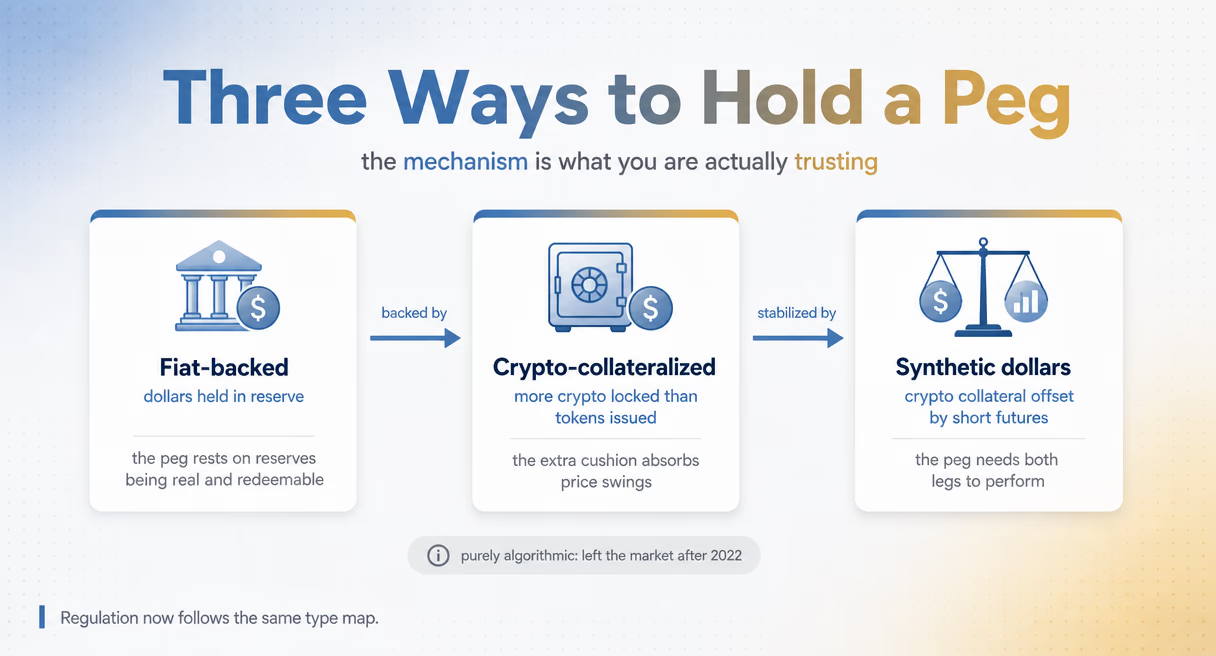
Every stablecoin on the list holds its peg through one of three mechanisms, and the mechanism is what you are actually trusting. Fiat-backed tokens, USDT, USDC, PYUSD, FDUSD, TUSD, hold dollars or near-dollar assets in reserve for each token issued, and the peg rests on those reserves being real and redeemable. Crypto-collateralized tokens, USDS and DAI, lock up more crypto than the tokens they issue, and that extra cushion absorbs price swings in the collateral. Synthetic dollars, USDe, hold crypto collateral and short futures positions that offset each other, so the peg depends on both legs performing, which is a different and more mechanical trust than a bank reserve. A fourth type, purely algorithmic stablecoins that used mint-and-burn mechanics with no reserves, effectively left the market after the 2022 collapse of UST.
Regulation now follows the same type map. In the EU, the Markets in Crypto-Assets Regulation sets the authorization and reserve rules issuers must meet. In the US, the GENIUS Act created the federal framework for payment stablecoins in 2025.
What Stablecoins Are Used For, and Why
The use cases cluster around payments and dollar access. Cross-border settlement is the headline: stablecoins move value across borders faster and at steadier cost than traditional bank transfers, which is why payment businesses have built payment routes on them. Trading and market making use them as the standing dollar quote on crypto venues. Dollar access drives adoption in regions where getting a US dollar bank account is hard, with stablecoins as the practical alternative. And treasury operations, payroll, reserves, float management, hold stablecoins for the same reason they would hold any dollar-like asset. The benefits are the mirror of those uses: stable unit of account, around-the-clock settlement, and no dependence on banking hours in any one country.
The Risk Differences That Follow From the Type
Each type carries its own failure shape. Fiat-backed tokens carry reserve and banking-channel risk, meaning the question is who holds the reserves and how fast they can be sold in a run. Crypto-collateralized tokens carry collateral risk, since a sharp price move in the collateral stresses the vaults even with that extra cushion. Synthetic designs carry mechanism risk, because the offsetting positions must perform as designed under stress. Two risks apply across every type regardless of design: a depeg, where the price breaks even if the mechanism is sound, and freezing, where an issuer blacklist makes specific addresses unable to transact. How pegs break is covered in Stablecoin Depeg Risk, and how blacklists work in How Does USDT and USDC Freezing Work?. For the definitions and regulatory landscape in story form, see What Is a Stablecoin, and How Is It Regulated?
For the full picture of stablecoin rules, freezing risk, and payment AML, start from the Stablecoin Compliance guide.