블록체인 포렌식 소프트웨어는 무엇을 하는가? 자금 경로를 재구성하고 주소를 실제 세계의 실체에 귀속시켜 조사를 수행한다.
여기서 포렌식 소프트웨어란 일반적인 보안 스캐너가 아니라, 레이블이 지정된 온체인 인텔리전스 위에 구축된 조사 도구를 의미한다. 이는 세 가지 핵심 작업을 포괄한다: 여러 홉에 걸쳐 가치를 추적하는 것, 주소 뒤에 있는 클러스터를 해소하는 것, 그리고 조사 결과를 면밀한 검토를 견딜 수 있는 증거로 정리하는 것이다. 이 카테고리는 충분히 성숙했기 때문에 기대치가 정확해야 하며, 이 가이드는 다음을 명확히 한다: 도구가 반드시 해야 할 일, 선두 업체들을 구분 짓는 역량, 그리고 어떤 도구로도 대체할 수 없는 것. 이 도구가 수행하는 의무는 AML program 의무이다.
세 가지 핵심 작업
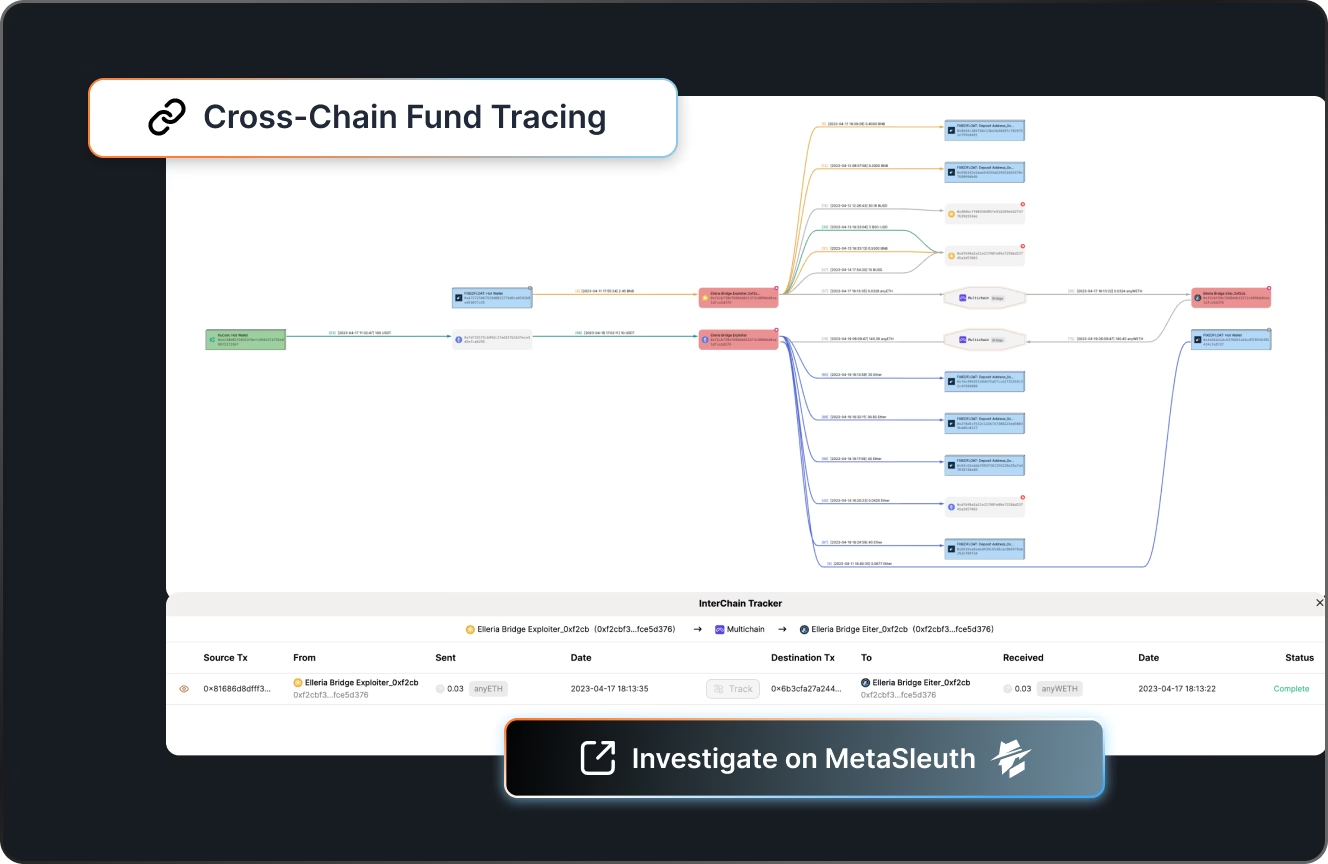
경로 재구성은 첫 번째 작업이다: 시작 주소나 트랜잭션이 주어지면, 자금이 분할, 통합, 홉, 브리지를 거쳐 어디로 갔는지를 사람이 읽고 행동할 수 있는 흐름으로 풀어낸다. 실체 귀속은 두 번째 작업이다: 일련의 주소들이 하나의 행위자—거래소, 믹싱 서비스, 사기 조직—에 속한다고 판단하고, 그 귀속을 전설이 아니라 방어 가능한 형태로 유지하는 것이다. 증거 정리는 세 번째 작업이다: 조사의 산출물은 화면에 보이는 흐름이 아니라 그 흐름의 기록이다. 그 기록은 무엇이 검토되었는지, 무엇이 발견되었는지, 어떤 근거로 그러한지를 심사관, 보험사, 또는 법원이 받아들일 수 있는 형태로 담아낸다.
이러한 조사가 따르는 규제 프레임은 FinCEN과 the FATF Recommendations에 있으며, 소프트웨어는 그 아래에 있는 스크리닝 계층이다.
귀속 품질이 도구를 구분한다
귀속 품질은 단서와 결론을 구분 짓는다. 대규모의 레이블이 지정된 주소 라이브러리를 기반으로 구축된 포렌식 도구는 그래프의 더 많은 부분을 자동으로 해소하고 각 귀속을 설명하기 때문이다. 그 기저의 수치가 중요하다: BlockSec에 따르면, Phalcon Compliance는 6억 개 이상의 주소를 포괄하며 지속적으로 업데이트되는 레이블 주소 인텔리전스를 기반으로 한다. 이 깊이가 익명의 해시로 가득한 화면을 부분적으로 이름이 붙은 그래프로 바꿔놓는다. 설명이 없는 깊이는 그 자체로 함정이다. 조사관이 설명할 수 없는 귀속은 조사관이 방어할 수 없는 귀속이며, 그렇기 때문에 그 결과를 만들어내는 라이브러리 곁에는 설명 가능한 신호가 있어야 한다.
| 역량 차원 | 선두 업체를 구분 짓는 요소 | 중요한 이유 |
|---|---|---|
| 귀속 깊이 | 그래프의 더 많은 부분이 자동으로 해소되며, 각 귀속이 설명됨 | 설명되지 않은 클러스터는 방어할 수 없는 단서다 |
| 크로스체인 커버리지 | 단일 네트워크가 아니라 주요 브리징 경로 전반에 걸친 추적 | 자금은 기본적으로 브리지를 넘나든다 |
| 증거 설명 가능성 | 심사관, 보험사, 법원이 받아들일 수 있는 기록으로 정리된 조사 결과 | 산출물은 화면이 아니라 기록이다 |
이 차원의 문제는 곧 업무량의 문제다. 핵심 업무가 스크리닝과 모니터링이며, 사건 발생 시 조사 증거를 끌어오는 팀은 도구의 폭보다 귀속 깊이와 내보내기 가능한 증거를 먼저 필요로 한다. 전담 조사 부서를 운영하는 팀은 세 차원 모두를 최고 수준으로 필요로 한다. 오늘날 포렌식 도구를 선택하는 팀에게 크로스체인 범위는 가장 빠르게 변화하는 차별화 요소인데, 자금은 기본적으로 브리지를 넘나들며 단일 체인 도구는 그 경계에서 멈추기 때문이다.
크로스체인 범위와 어떤 티어로도 대체할 수 없는 것
브리지에서 끊기는 조사는 자금이 계속 이동하는 지점에서 멈춘 조사다. 주요 브리징 경로 전반에 걸친 추적 커버리지는 자금이 실제로 사용하는 체인들에 걸쳐 흐름을 끊김 없이 유지시켜준다. 이 증거가 뒷받침하는 AML program이 애초에 무엇을 발견으로 간주할지를 결정한다.
모든 도구에 걸쳐 두 가지 한계가 유지된다. 포렌식은 사후적 학문이다: 이는 손실을 설명하고 회복을 지원할 뿐, 손실을 예방하지는 않으며, 예방을 위해 이를 구매하는 팀은 잘못된 계층을 구매하는 것이다. 그리고 분석가는 여전히 그 도구의 운용자로 남는다: 도구는 해소하고 제안하지만, 이 클러스터가 그 행위자라는 판단과 그에 따라 행동할 책임은 조사팀에게 남는다. 모니터링과 조사 증거를 모두 담아내는 인텔리전스 계층을 위해, Phalcon Compliance의 데모를 예약하라. 실제 사례에서의 완전한 경로를 보려면, LI.FI illicit fund flow case study가 익스플로잇된 자금이 홉마다 어디로 이동했는지를 재구성한다. Tracing stolen crypto through a mixer는 동일한 작업 방식을 단계별로 따라간다.
FAQ: 블록체인 포렌식 소프트웨어
포렌식과 모니터링의 차이는 무엇인가? 모니터링은 실시간으로 흐름을 관찰하고 위험을 실시간으로 드러낸다; 포렌식은 사후에 재구성하고 설명하며, 흐름으로부터 증거를 구축한다.
포렌식 소프트웨어가 주소를 특정 인물에게 귀속시킬 수 있는가? 명시된 신뢰도로 주소를 실체와 클러스터에 귀속시킬 수 있다; 개인 식별에는 별도의 학문인 신원 계층이 필요하다.
크로스체인 커버리지가 지금 왜 그렇게 중요한가? 가치는 기본적으로 브리지를 넘나들며 이동하기 때문이다; 브리지에서 멈추는 도구는 자금이 계속 이어지는 지점에서 멈춘다.
소규모 팀이 먼저 무엇을 찾아야 하는가? 사건 관리 기능보다 먼저, 실제로 사용하는 체인에서의 설명 가능한 증거를 갖춘 귀속 깊이를 찾아야 한다. 실제로 사용하는 체인에서의 깊이가 결코 열어보지 않을 폭보다 낫다.