加密合规不再是可选项,而是与链上资产交互的团队的一项基础要求。鉴于受制裁地址、诈骗资金流、混币器风险和跨链资金转移等风险的存在,机构必须了解他们正在与谁交易以及资金如何流动,以确保安全性和监管合规。
与此同时,一个新的参与者正在崛起:AI 智能体 (AI agents)。这些智能体能够自动分析链上数据、执行交易并做出实时决策。一旦 AI 智能体触及真实资金,它就需要与人类同等(甚至更高)级别的保护——即直接构建在其决策循环中的 KYA(了解你的地址) 和 KYT(了解你的交易)。
这引出了一个关键问题:
我们如何以 AI 智能体能够实际使用的方式,为其提供合规级别的风险情报?
答案是 X402。
为什么 X402 对 AI 原生合规至关重要
X402 是一种轻量级的、互联网原生的支付协议,它将微支付直接嵌入到 HTTP 请求中。当结合合规 API(例如地址标记或地址筛选)使用时,它将这些 API 转变为对智能体友好、可由机器支付的情报服务。
在本文中,我们将以 https://x402.blocksec.ai 为现实案例,展示如何构建一个支持 AI、启用 X402 的“加密货币 KYA”API。 这种架构代表了智能体原生加密合规的未来。
现代加密合规技术栈
加密合规通常涉及三个层级。利用 BlockSec 的 MetaSleuth(标记 + 基础筛选)和 Phalcon Compliance(深度风险分析),我们概述了如下技术栈。
1. 地址标记 (KYA) — MetaSleuth
地址标签 API 可返回区块链地址的基本归属信息,包括:
-
实体名称
-
地址类别(交易所、混币器、诈骗、协议等)
-
行为元数据
MetaSleuth 支持 25 条以上区块链(以太坊、Solana、比特币、波场、BNB、EVM 网络),标签是了解你的地址 (KYA) 的基础。
了解更多:MetaSleuth API 参考 – https://docs.metasleuth.io/blocksec-aml-api/address-label-api/apis
2. 基础地址筛选 — MetaSleuth
基础筛选通过以下指标提供快速风险评估:
-
数值化风险评分
-
风险指标
-
暴露因素(诈骗、混币器、受制裁关联度等)
这对于钱包、跨链桥和基础合规需求非常有用。
3. 深度多跳筛选 (KYT) — Phalcon Compliance
基础筛选存在局限性,因为它只评估直接(1 跳)交互。它无法满足机构级的 KYT 要求,因为:
-
漏掉多跳资金风险
-
无法遵循符合 FATF 标准的溯源逻辑
-
无法处理间接流向分析
-
不会聚合跨链移动记录
Phalcon Compliance 通过以下功能填补了这一空白:
-
多跳资金溯源 (KYT)
-
跨链风险聚合
-
实体关联分析
-
符合 FATF 标准的风险评分
了解更多:https://blocksec.com/phalcon/compliance
这一深度层级对于交易所、托管机构、支付处理商和机构合规而言至关重要。
为什么传统的合规 API 不适用于 AI 智能体
尽管目前的合规 API 很有价值,但几乎所有 API 都是为人或企业平台构建的,而不是为自治智能体设计的。它们通常要求:
API 密钥、月度订阅、仪表盘和入驻流程、固定的使用层级、信用卡账单、长期账户身份
然而,AI 智能体:
-
可能今天调用 1 次,明天调用 300 次
-
间歇性运作
-
启动短暂的实例
-
仅在需要时执行检查
-
没有“账户”或“账单周期”的概念
传统的合规 API 从根本上与 AI 智能体不兼容。
X402 如何解决这一问题
X402 将每个 HTTP 请求变为一个自包含的、密码学层面已支付的交易。
当智能体调用:
GET /screen/deep/tron/{address}
……它会附带一个已签名的 X402 支付证明。
在这里没有 API 密钥、没有点数、没有订阅、没有仪表盘。
只有按需付费,这与智能体的行为完美契合。这就是 X402 成为 AI 智能体与加密合规之间原生桥梁的原因。
X402 概述:https://docs.cdp.coinbase.com/x402
构建支持 X402 的 KYA/KYT 端点
以下是一个最小化示例,展示了如何将标准的 Python FastAPI 端点转换为启用 X402、可供智能体支付的合规 API —— 这与 x402.blocksec.ai 使用的模式相同。
1. 设置:获取 API 密钥
你需要一个 Coinbase CDP API 密钥 + 密钥秘密,用于验证支付证明。
2. 初始化 X402 中间件
from fastapi import FastAPI
from x402.fastapi.middleware import require_payment
from cdp.x402 import create_facilitator_config

app = FastAPI()

facilitator_config = create_facilitator_config(
    api_key_id=CDP_API_KEY_ID,
    api_key_secret=CDP_API_KEY_SECRET,
)

app.middleware("http")(
    require_payment(
        path="/screen/deep/*",
        price="$1.00",
        pay_to_address=ADDRESS,
        network="base",
        facilitator_config=facilitator_config,
    )
)
注意:通配符路径如 /screen/deep/* 无法区分 /screen/deep/A 和 /screen/deep/B,这可能会导致安全问题。请使用 x-resource 请求头进行严格的资源隔离(本文不作详述)。
3. 返回结果
async def phalcon_wallet_deep_screening(chain: str, address: str):
    chain_id = resolve_chain_id(chain)
    payload = {
        "chainId": chain_id,
        "address": address,
        "enableReScreening": False,
        "includeDetails": False
    }

    headers = {
        "API-Key": PHALCON_WS_API_KEY,
        "Content-Type": "application/json",
    }

async with httpx.AsyncClient(timeout=10) as client:
        resp = await client.post(PHALCON_WS_API_URL, json=payload, headers=headers)
        resp.raise_for_status()
        return resp.json()
4. 添加路由
@app.get("/screen/deep/{chain}/{address}")
async def screen_wallet_deep(chain: str, address: str, request: Request):
    data = await phalcon_wallet_deep_screening(chain, address)
    return data
使用 x402.blocksec.ai 的线上演示
上述实现已部署在线上: 👉 https://x402.blocksec.ai
该演示包含由 BlockSec 情报支持的、功能完备且可由机器付费的 KYA/KYT 端点。
可用端点
-
地址标记 —
/label/{chain}/{address} -
基础筛选 —
/screen/light/{chain}/{address} -
深度筛选 —
/screen/deep/{chain}/{address}
深度筛选示例
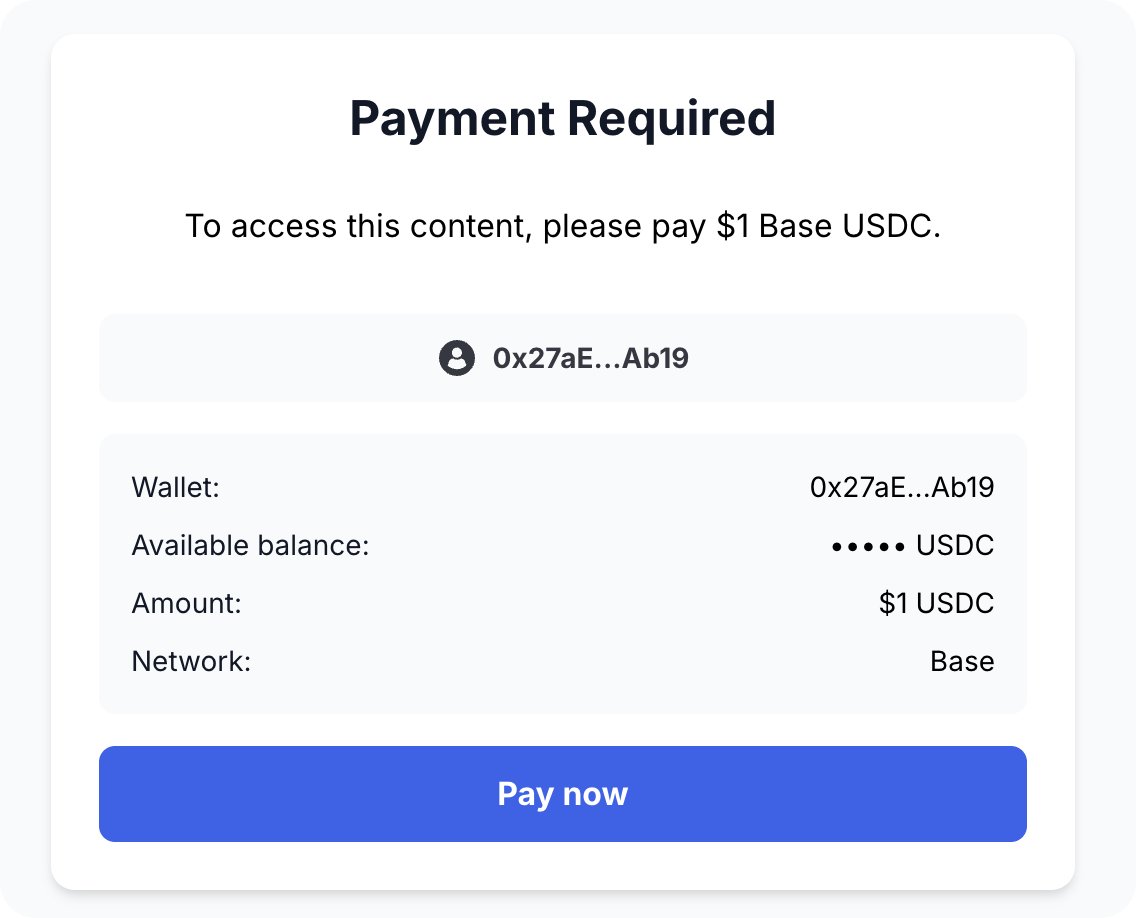
https://x402.blocksec.ai/screen/deep/tron/TYXqLb9ZyAeJeTFkt3Tx7kNyc3HufjvnMs
你将看到标准的 402 Payment Required(需要支付) 响应——这就是 X402 在智能体之间进行协商的方式。
如何配合兼容 X402 的客户端使用
传统的 HTTP 客户端无法完成该请求。 你必须使用:
-
AI 智能体
-
加密钱包
-
Coinbase CDP SDK
-
已启用 X402 的运行时环境
结论:智能体原生加密合规的未来
随着加密技术与自动化深度融合,合规情报必须超越仪表盘和基于订阅的平台。AI 智能体将越来越多地阅读链上数据、引导资金、管理投资组合并与智能合约交互。为了安全地做到这一点,它们必须了解它们在与谁交互以及继承了什么风险——即 KYA 和 KYT 的基石。
传统的 API 并非为自动化软件而生。 X402 通过以下特性改变了这一范式,使合规变得:
-
可由机器支付
-
无需许可
-
无状态
-
按请求付费
x402.blocksec.ai 的在线演示展示了这种新模式——封装在 X402 中,由 BlockSec 的 MetaSleuth 和 Phalcon Compliance 情报支持,无需账户或 API 密钥即可访问。
随着 AI 智能体成为金融生态系统的核心参与者,它们将需要原生访问实时、合规级别的情报。X402 提供了缺失的桥梁:一种简单、互联网原生的方式,让智能体可以在需要时精确获取风险数据。
长期以来为人类构建的加密合规,正在转向智能体原生。这为更安全、更自动化的链上系统开辟了新的设计空间。