
Know Your Address, or KYA, screens a wallet address against sanctions data, entity labels, risk indicators, and on-chain activity before a transaction settles. It reads address behavior and associations, not the identity behind the address. A bare address carries no verified identity and no fund history, which is the gap KYA fills at the address layer. This guide shows how KYA works, how it differs from KYT and identity checks, and when to deploy it. It is part of the crypto AML compliance workflow. This page is part of the AML Compliance Hub.
What KYA (Know Your Address) Means in Crypto
Know Your Address is a real-time risk screen that reads the behavior and associations of a wallet address, rather than the identity of the person who owns it. KYA answers two concrete questions. What has this address done, and is it linked to a known risk entity such as a sanctioned actor, a mixer, a scam operation, or a dark market. It returns a risk score plus the labeled signals behind that score, so a compliance officer can decide without waiting for a customer onboarding file.
KYA exists because on chain the address is the unit of movement, not the person. One individual can spin up unlimited addresses, and one address can route funds for thousands of users through a single service. Identity-first compliance always lags a settlement that clears in seconds. The FATF risk-based approach applies Recommendation 15 to virtual asset service providers and is the authority regulators reference when assessing whether an onchain AML program is defensible. KYA is the control that enforces that program at the address layer.
KYA vs KYT vs KYC: the Three Layers of Crypto Compliance
Crypto compliance separates into three layers: identity verification, address-layer risk screening, and transaction monitoring. KYA is the address layer. Each layer answers a different question and fails differently when it is missing.
The identity layer, commonly abbreviated KYC, verifies the person at onboarding and stops there. The FinCEN BSA identity verification rules set the floor for that check. Identity verification is not a BlockSec business, and it cannot see what an address does after onboarding. A sanctioned actor can move funds through a freshly generated address that carries no identity, so identity screening alone misses wallet-level risk.
KYA is the address layer. It scores the wallet address itself against risk intelligence, regardless of who owns it. KYT, or Know Your Transaction, is the transaction layer. It monitors the flow of funds between addresses over time. The three layers are complementary: identity verification screens the person once, KYA screens the address on demand, and KYT watches the transaction continuously. A defensible onchain program runs all three. KYA is the layer that flags risk the moment an address appears, before any transaction settles.
How KYA Works: Address Risk Scoring and Screening
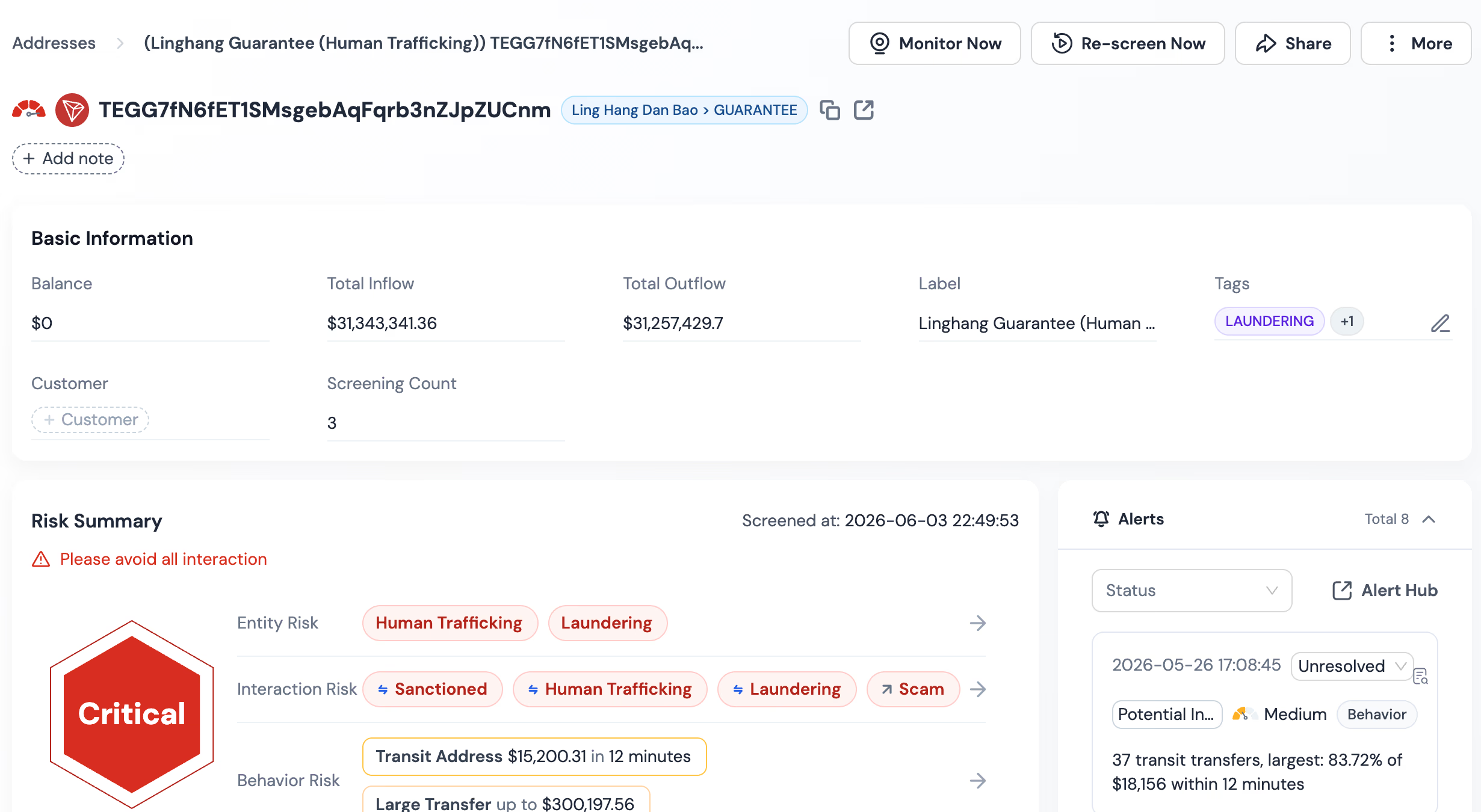
KYA scoring is not a black-box verdict. Phalcon Compliance KYA scores a wallet address in real time, draws on more than 600 million labeled addresses refreshed around the clock, and exposes 200+ signal types organized into 17 Risk Indicator categories as a transparent set. Every decision returns the indicator IDs that drove it, so the compliance officer sees the score and its basis in one response.
Coverage is what makes the score meaningful rather than empty. Phalcon Compliance KYA scores a wallet address in real time and returns what that address has done and whether it is linked to a known risk entity. That judgment rests on more than 600 million labeled addresses and more than 200 signal types, refreshed around the clock. The address being screened is matched against current threat intelligence, not a stale snapshot.
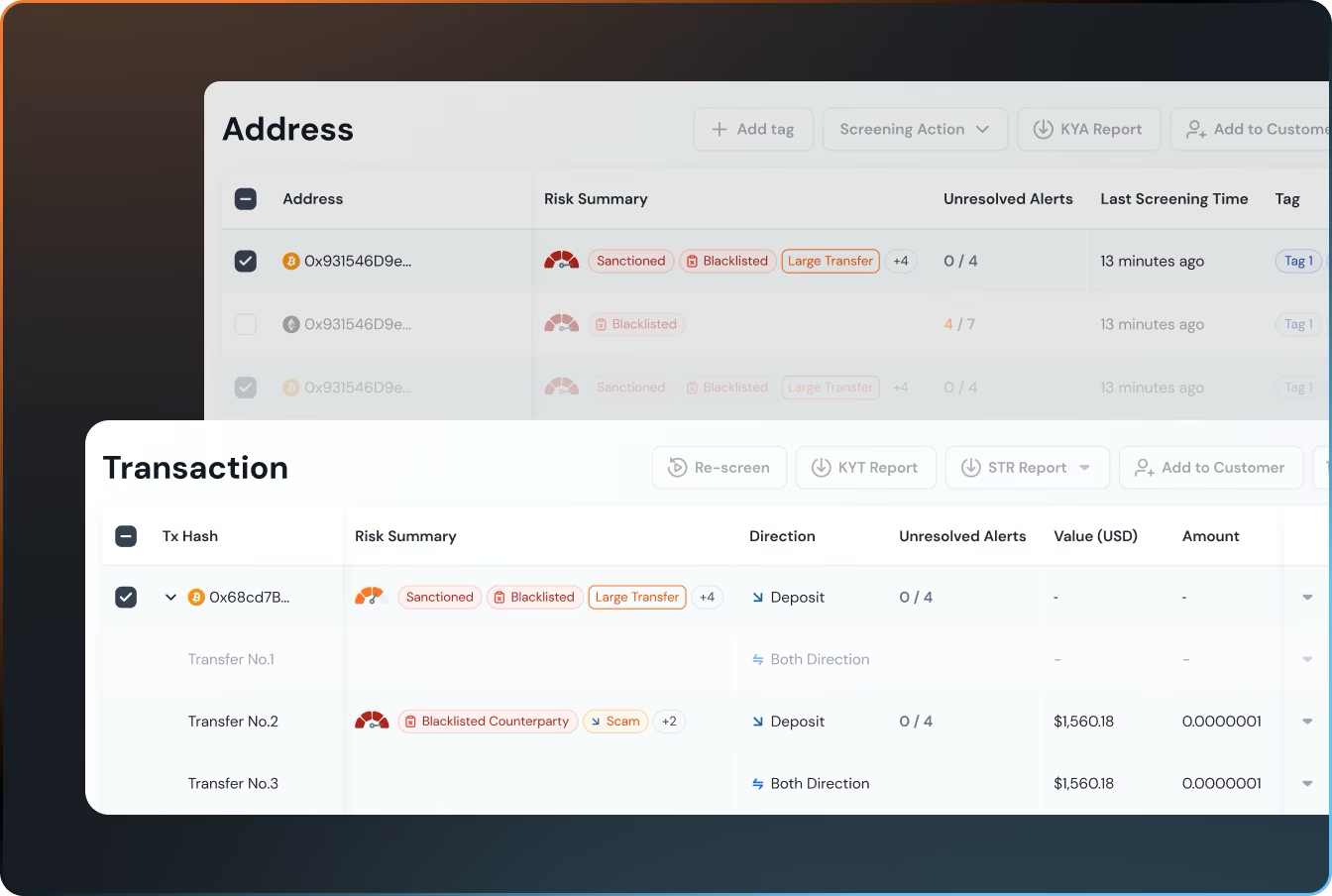 The decision basis is what makes the score defensible. Phalcon Compliance exposes 200+ signal types organized into 17 Risk Indicator categories as a transparent set, where every risk decision returns the indicator IDs that drove it. Each judgment can be traced to a named signal rather than a color code. Behavioral Risk Engine adds 3 address behavior templates and 2 transaction behavior templates that surface anomalous on-chain behavior in an explainable form. API responses return the decision basis and data provenance behind each risk judgment, so a compliance officer or auditor can independently re-check how an address screening result was reached.
When to Use KYA
Deploy KYA wherever a compliance team must decide on an address it has never seen, and must decide before value moves.
The first case is deposit and withdrawal screening at a VASP. A customer hands over a withdrawal address, or an inbound deposit lands from an external wallet. KYA scores that address against labeled risk intelligence in real time. It flags a high-risk counterparty before the transaction is released, not after the funds have left. Once that screen runs in production, the next task is tuning alert volume, and reducing false positives in crypto AML monitoring covers that workflow.
The second case is counterparty due diligence at a DeFi protocol. A protocol that takes collateral, lends, or settles against an external address must know whether that address ties to a sanctioned entity, a mixer, or a known scam operation. KYA returns an address-level risk read without forcing the counterparty through an identity flow that may not even be possible in a permissionless setting.
The third case is investigation. A compliance officer or blockchain investigator starts from a seed address, a flagged transaction, or an alert, and must map the risk surface around it. KYA returns the risk indicators and exposure tied to that address. That gives the investigator a structured starting point rather than a blank canvas. BlockSec's address risk detail screen is built for that entry point.
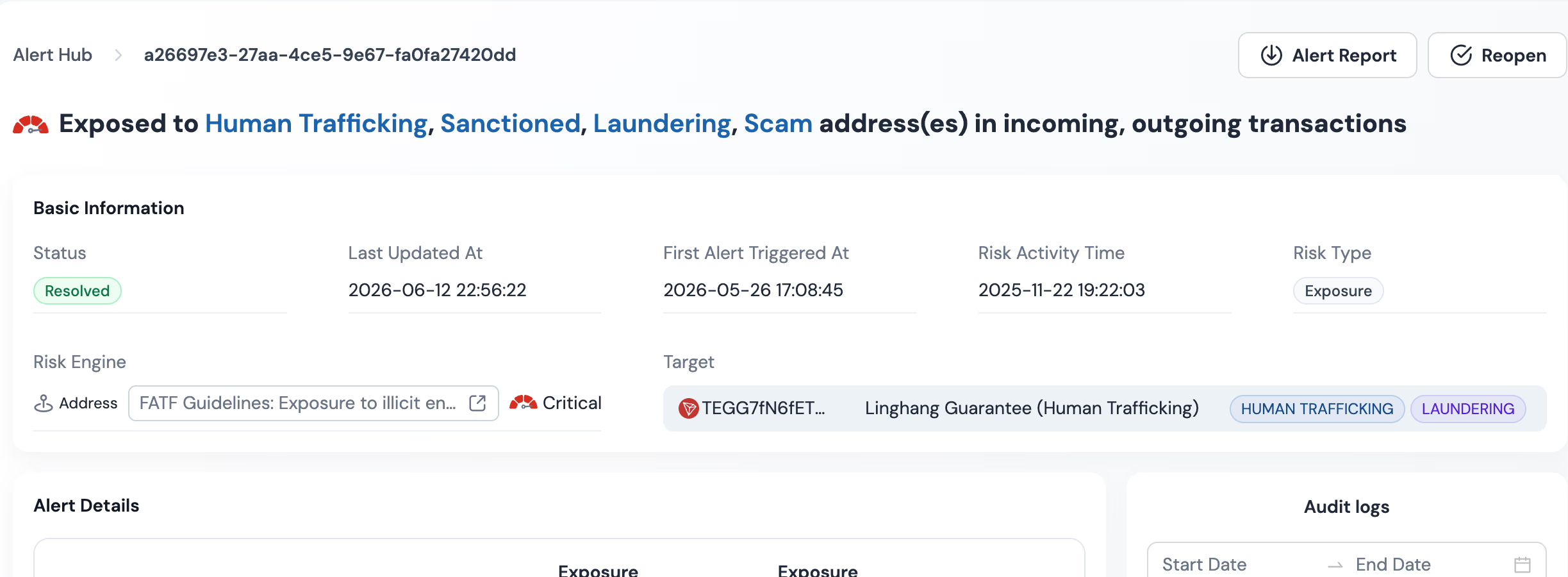
Screen a Wallet Address With Phalcon Compliance KYA
Know Your Address is the address-layer control that makes onchain compliance work the moment an address appears. BlockSec's Phalcon Compliance returns the basis behind every decision through traceable Risk Indicators. Screen a wallet address with Phalcon Compliance KYA and read the risk indicators and exposure behind the address before the next transaction settles.