Back to Blog

闪电贷攻击APE空投的简要分析

Code Auditing
March 17, 2022
(图片来源:无聊猿游艇俱乐部创始人推出 ApeCoin 加密货币(lifestyleasia.com))

Will Sheehan报道,APE代币遭受了MEV攻击。经过分析,我们认为这是由于APE代币的空投过程存在漏洞,它只考虑了现货状态,这可以被攻击者操纵。

特别是,攻击者可以借入可以兑换成NFT的BYAC代币,然后使用这些NFT来领取空投。之后,攻击者利用BYAC NFT铸造BYAC代币来偿还闪电贷。然而,攻击者通过这个过程获得了空投的APE代币。我们认为这类似于基于闪电贷的价格操纵攻击,其中一个合约只考虑资产的现货价格(可以被操纵)。

接下来,我们将使用攻击交易来说明这个过程。

第一步:准备闪电贷手续费的NFT

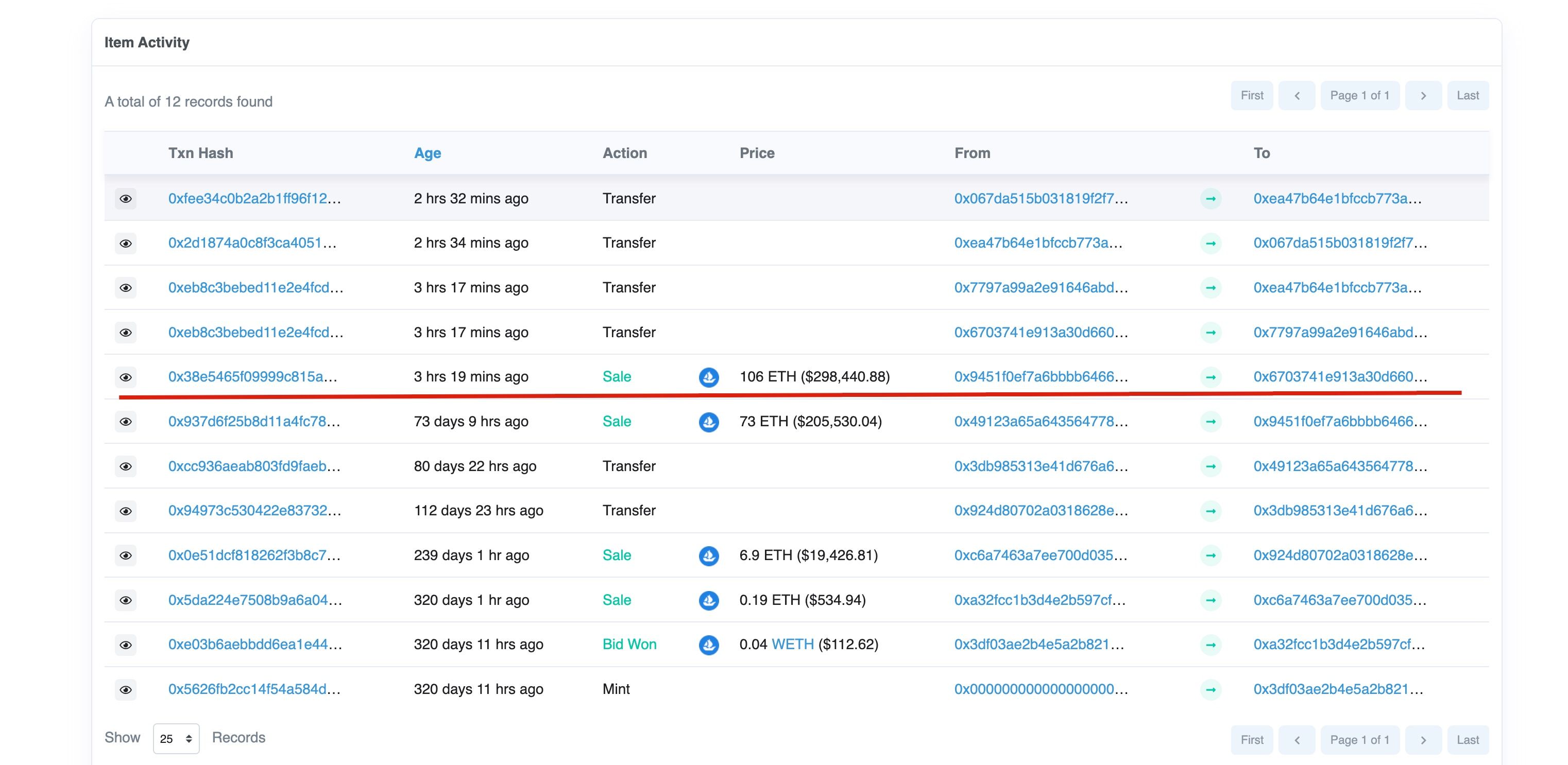
攻击者将1060个NFT转入了攻击合约0x7797。请注意,这个NFT不是通过闪电贷借来的,而是用106 ETH购买的。

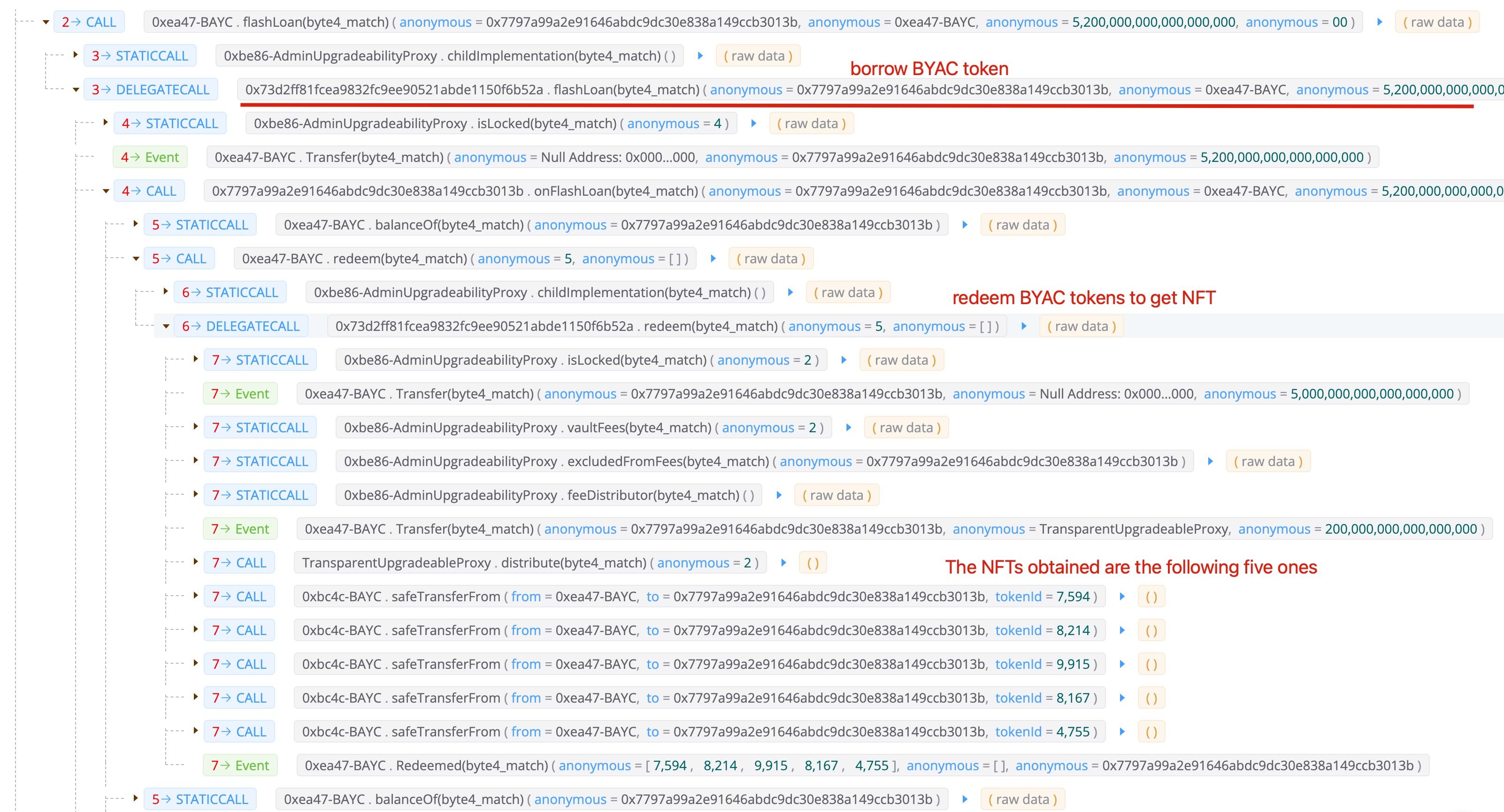
第二步:通过闪电贷借入BYAC代币

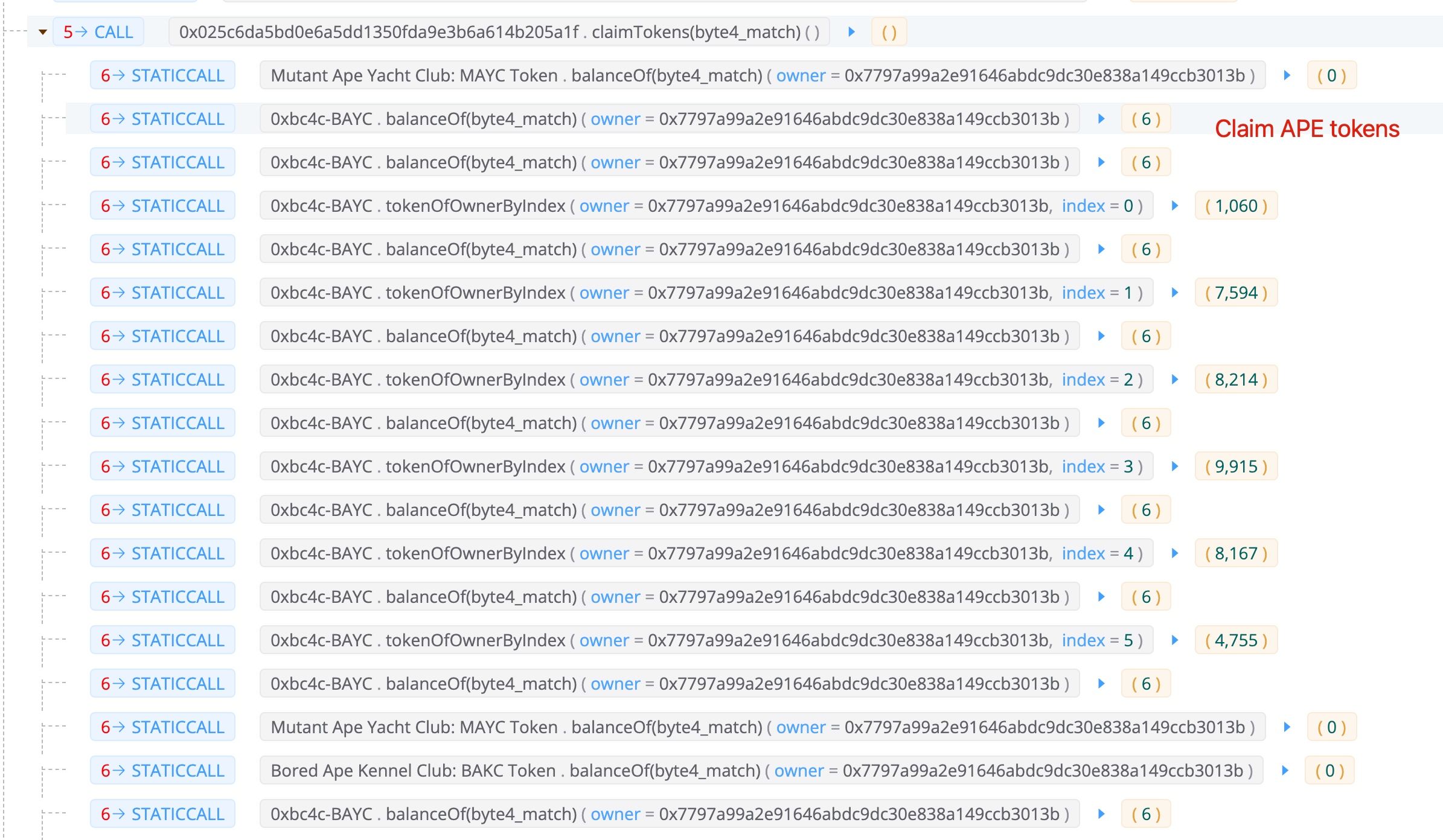
第三步:使用NFT领取APE代币

请注意,在这个过程中,攻击者拥有六个NFT。一个是他/她购买的1060,另外五个是通过借入的BYAC代币(第二步)兑换的。总共获得了60,564个APE代币。

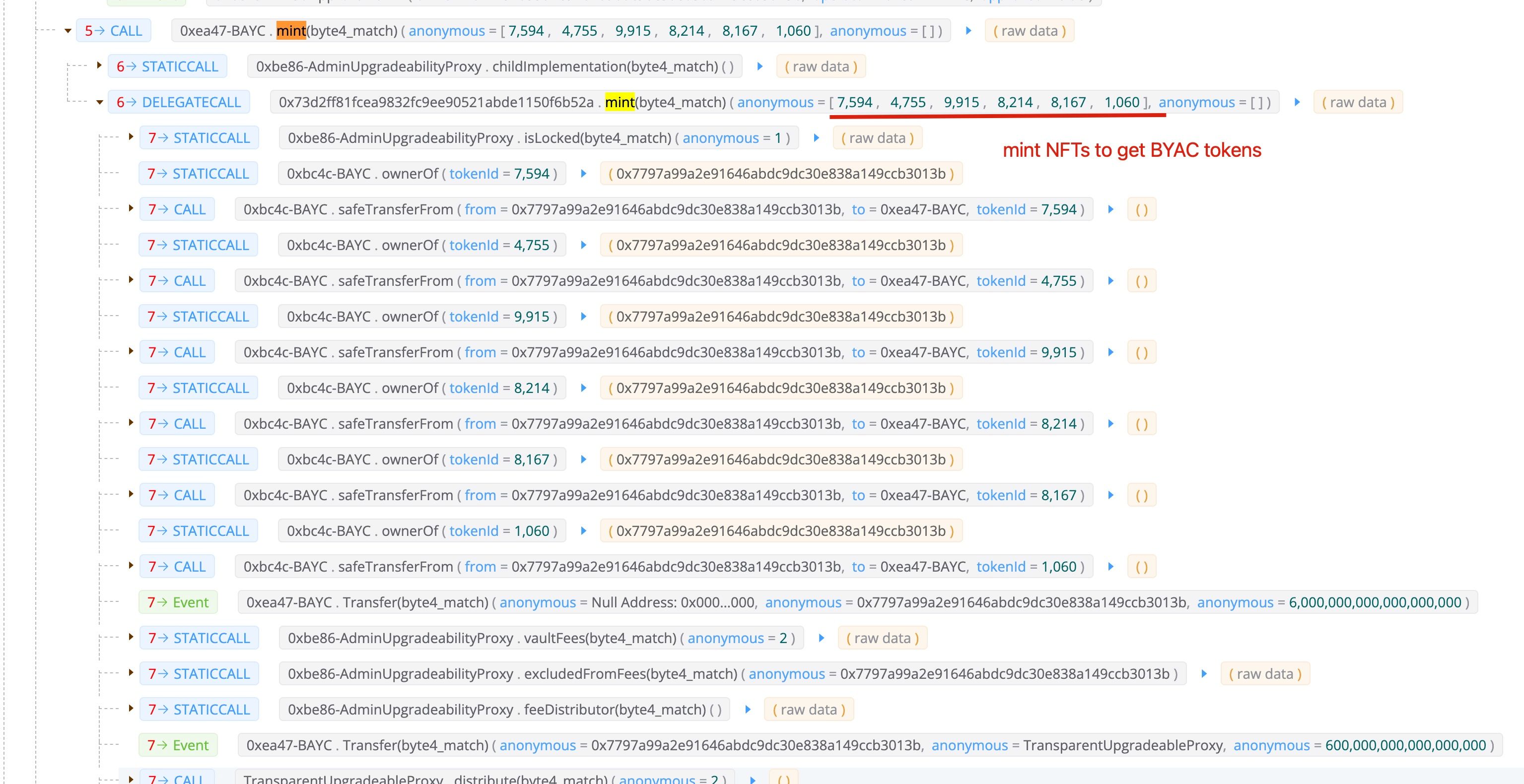
第四步:铸造NFT以获得BYAC代币

攻击者铸造了六个NFT以获得BYAC代币。请注意,攻击者也铸造了他自己的NFT(1060)来支付闪电贷的费用。由于偿还闪电贷后仍然有BYAC代币剩余(因为他铸造了自己的BYAC NFT 1060),攻击者将剩余的BYAC代币兑换成了大约14 ETH。

利润

总而言之,攻击者获得了60,564个APE代币,价值约500万美元(撰写本文时)。成本是一个NFT(106 ETH - 14 ETH),约合27万美元。

教训

我们认为这里的问题在于,APE代币的空投只考虑了NFT是否被某人持有的现货状态。这是脆弱的,因为攻击者可以利用闪电贷操纵现货状态。如果闪电贷的成本小于空投代币的价值,那么就会出现图中所示的攻击机会。

致谢

感谢Will Sheehan报告了这次交易。

关于BlockSec

BlockSec是一家开创性的区块链安全公司,于2021年由一群全球杰出的安全专家创立。公司致力于提高新兴Web3世界的安全性和可用性,以促进其大规模采用。为此,BlockSec提供智能合约和EVM链安全审计服务,Phalcon平台用于安全开发和主动阻止威胁,MetaSleuth平台用于资金追踪和调查,以及MetaDock扩展,帮助Web3构建者高效地在加密世界中冲浪。

迄今为止,公司已为MetaMask、Uniswap Foundation、Compound、Forta和PancakeSwap等300多家知名客户提供服务,并获得了Matrix Partners、Vitalbridge Capital和Fenbushi Capital等知名投资者两轮融资,总计达数千万美元。

官方网站:https://blocksec.com/

官方推特账号:https://twitter.com/BlockSecTeam

Sign up for the latest updates
Tracing $1.6B in TRON USDT: Inside the VerilyHK Ponzi Infrastructure
Case Studies

Tracing $1.6B in TRON USDT: Inside the VerilyHK Ponzi Infrastructure

An on-chain investigation into VerilyHK, a fraudulent platform that moved $1.6B in TRON USDT through a multi-layered fund-routing infrastructure of rotating wallets, paired payout channels, and exchange exit funnels, with traced connections to the FinCEN-sanctioned Huione Group.

Weekly Web3 Security Incident Roundup | Mar 30 – Apr 5, 2026
Security Insights

Weekly Web3 Security Incident Roundup | Mar 30 – Apr 5, 2026

This BlockSec weekly security report covers nine DeFi attack incidents detected between March 30 and April 5, 2026, across Solana, BNB Chain, Arbitrum, and Polygon, with total estimated losses of approximately $287M. The week was dominated by the $285.3M Drift Protocol exploit on Solana, where attackers combined multisig signer social engineering with Solana's durable nonce mechanism to bypass a zero-timelock 2-of-5 Security Council, alongside notable incidents including a $950K flash loan TWAP manipulation against the LML staking protocol, a $359K Silo Finance vault inflation via an external `wstUSR` market donation exploiting a depegged-asset oracle and `totalAssets()` accounting flaw, and an EIP-7702 delegated-code access control failure. The report provides detailed vulnerability analysis and attack transaction breakdowns for each incident, covering flawed business logic, access control, price manipulation, phishing, and misconfiguration attack types.

Drift Protocol Incident: Multisig Governance Compromise via Durable Nonce Exploitation
Security Insights

Drift Protocol Incident: Multisig Governance Compromise via Durable Nonce Exploitation

On April 1, 2026 (UTC), Drift Protocol on Solana suffered a $285.3M loss after an attacker exploited Solana's durable nonce mechanism to delay the execution of phished multisig approvals, ultimately transferring administrative control of the protocol's 2-of-5 Squads governance with zero timelock. With full admin privileges, the attacker created a malicious collateral market (CVT), inflated its oracle price, relaxed withdrawal protections, and drained USDC, JLP, SOL, cbBTC, and other assets through 31 rapid withdrawals in approximately 12 minutes. This incident highlights how durable nonce-based delayed execution can decouple signer intent from on-chain execution, bypassing the temporal assumptions that multisig security implicitly relies on.

Best Security Auditor for Web3

Validate design, code, and business logic before launch. Aligned with the highest industry security standards.

BlockSec Audit