PolyNetwork 駭客事件的初步分析

PolyNetwork 駭客事件的初步分析

PolyNetwork遭到黑客攻击,超过3亿美元被盗。攻击者在多个链上执行了攻击。在本篇博客中,我们将以以太坊上的攻击交易(0xd8c1f7424593ddba11a0e072b61082bf3d931583cb75f7843fc2a8685d20033a)来分析此次黑客攻击的可能原因。我们初步分析表明,一种可能的原因是用于签名跨链消息的私钥泄露,或者PolyNetwork的签名过程中存在一个被滥用来签名伪造消息的bug。

免责声明:本博客仅包含我们基于以太坊链上数据进行的初步分析结果。在获得Poly Network的进一步信息之前,我们无法验证我们的发现。

更新于 2021/08/12:进一步信息显示,攻击原因是 keeper 被攻击者修改(而非私钥泄露)。我们对 keeper 变更交易为何能够执行进行了更深入的分析。

交易和调用追踪

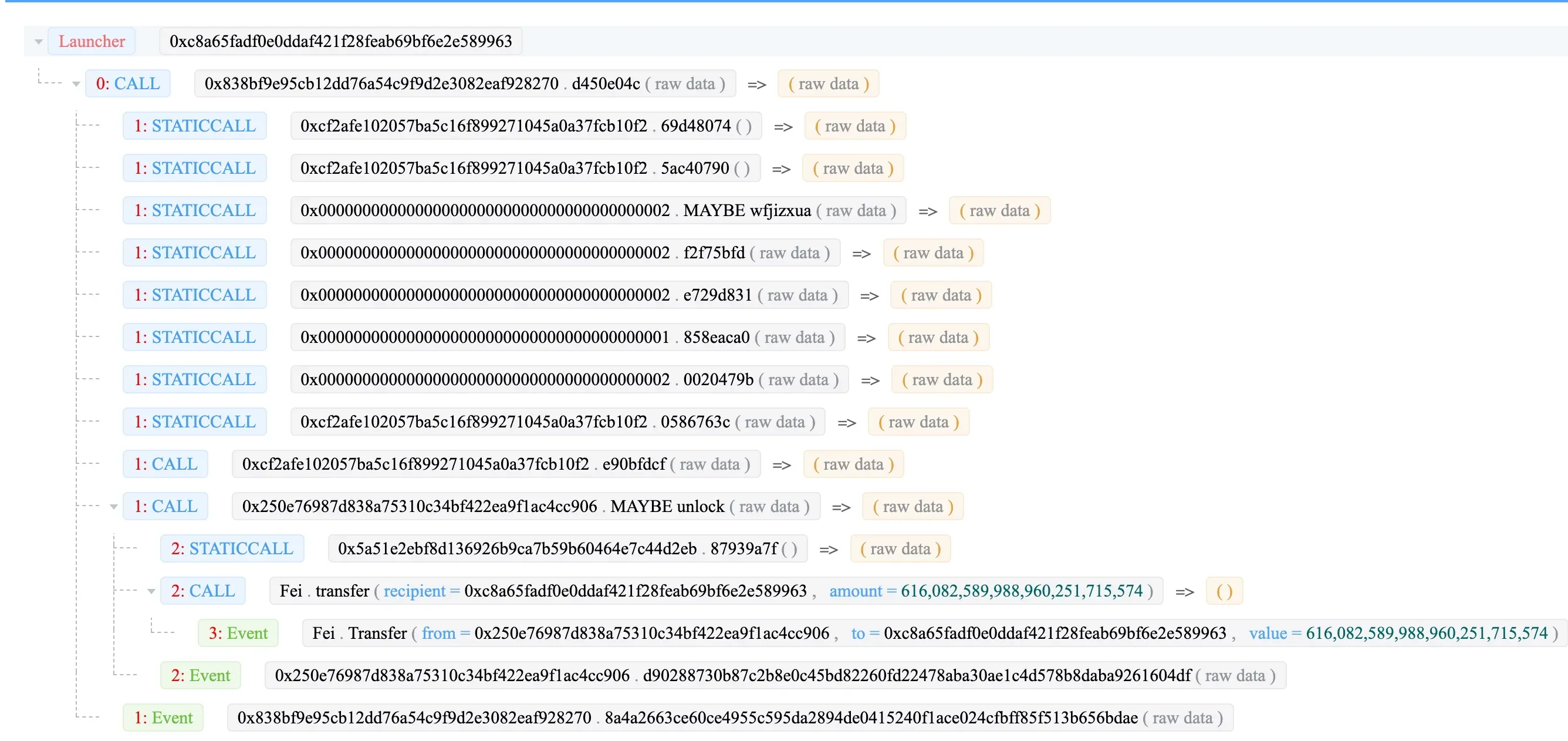
我们使用我们的交易分析系统来恢复追踪。

攻击者 -> EthCrossChainManager -> EthCrossChainData -> LockProxy -> managerProxyContractforLockProxy

  • 0xc8a65fadf0e0ddaf421f28feab69bf6e2e589963:攻击者
  • 0x838bf9e95cb12dd76a54c9f9d2e3082eaf928270:EthCrossChainManager
  • 0xcf2afe102057ba5c16f899271045a0a37fcb10f2:EthCrossChainData
  • 0x250e76987d838a75310c34bf422ea9f1ac4cc906:LockProxy
  • 0x5a51e2ebf8d136926b9ca7b59b60464e7c44d2eb:LockProxy 的 managerProxyContract

函数签名:

  • d450e04c (verifyHeaderAndExecuteTx)
  • 69d48074 (getCurEpochConPubKeyBytes)
  • 5ac40790 (getCurEpochStartHeight)
  • 0586763c (checkIfFromChainTxExist)
  • e90bfdcf (markFromChainTxExist(uint64,bytes32))

攻击主流程

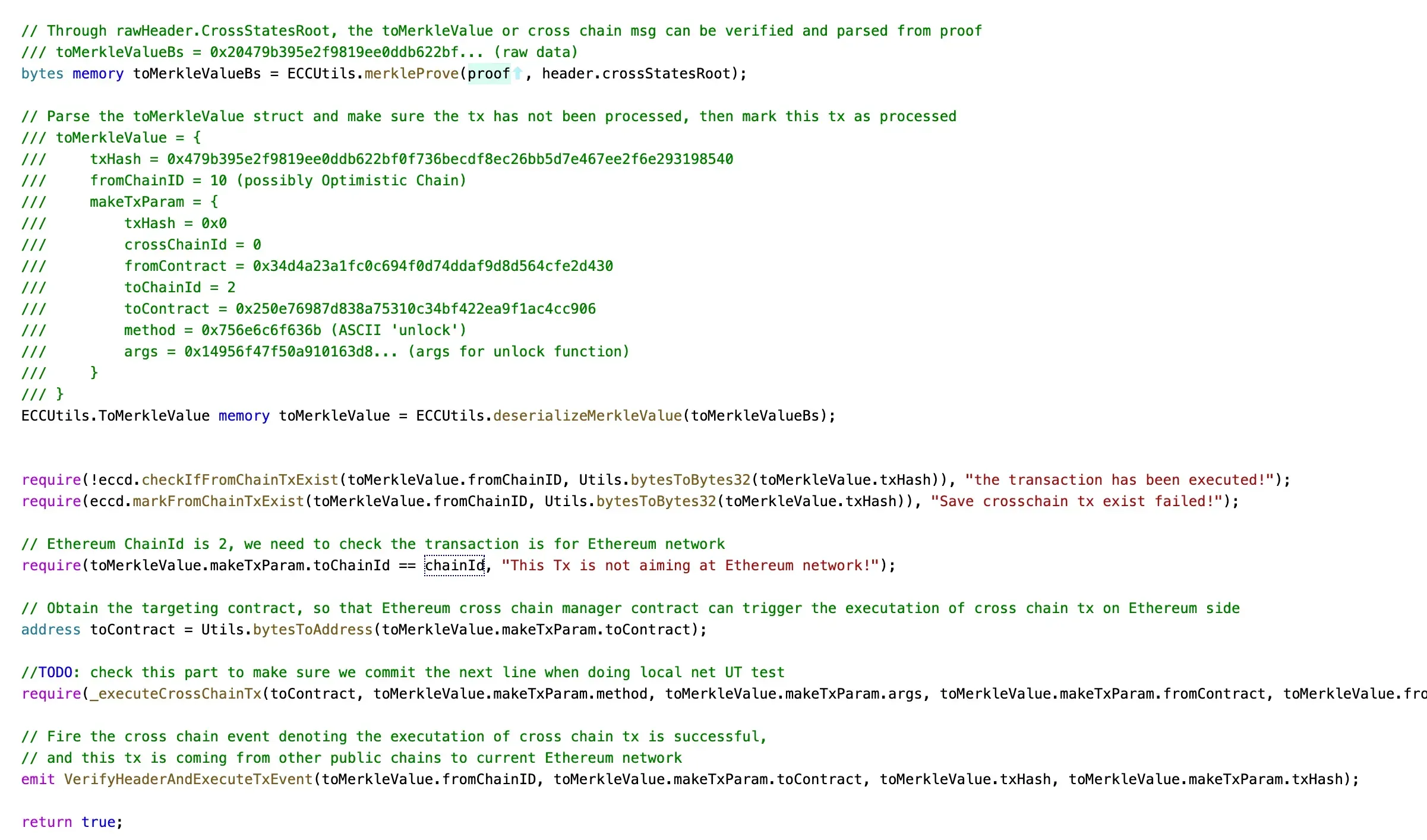
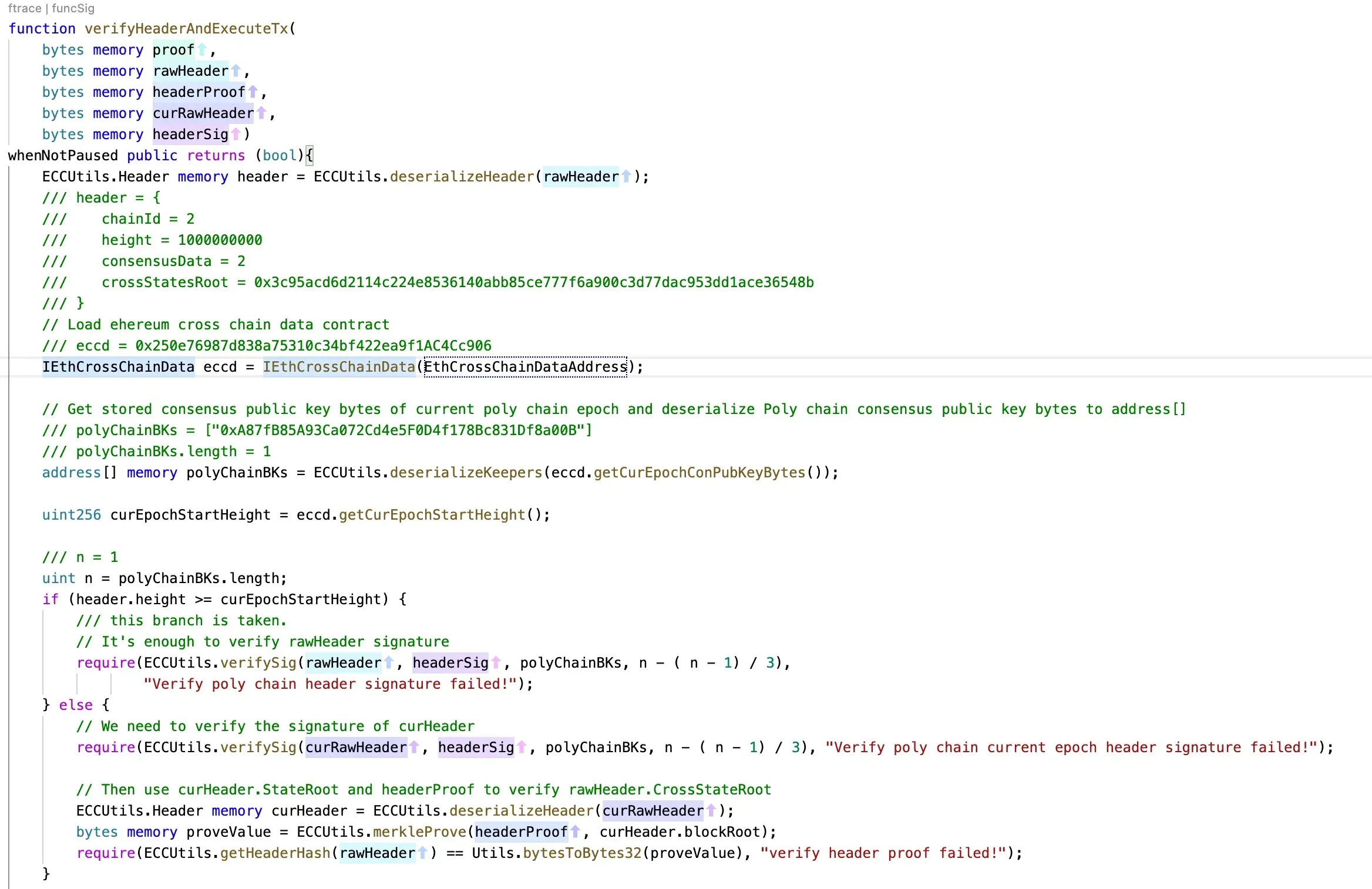
攻击的主流程是攻击者将签名后的数据传递给 verifyHeaderAndExecuteTx() 函数。该函数将解码数据并验证用于签名数据的签名。如果此过程通过,则消息中指定的函数(以及合约地址)将被执行。在此次攻击中,调用了智能合约 0x250e76987d838a75310c34bf422ea9f1ac4cc906 的 unlock 函数,将 Fei 转账给攻击者。

总而言之,此次攻击是由于向 verifyHeaderAndExecuteTx 函数传递了有效参数。而这些参数能够通过签名验证过程。之后,消息中指定的交易将被执行(类似于软件安全中的任意命令执行)。

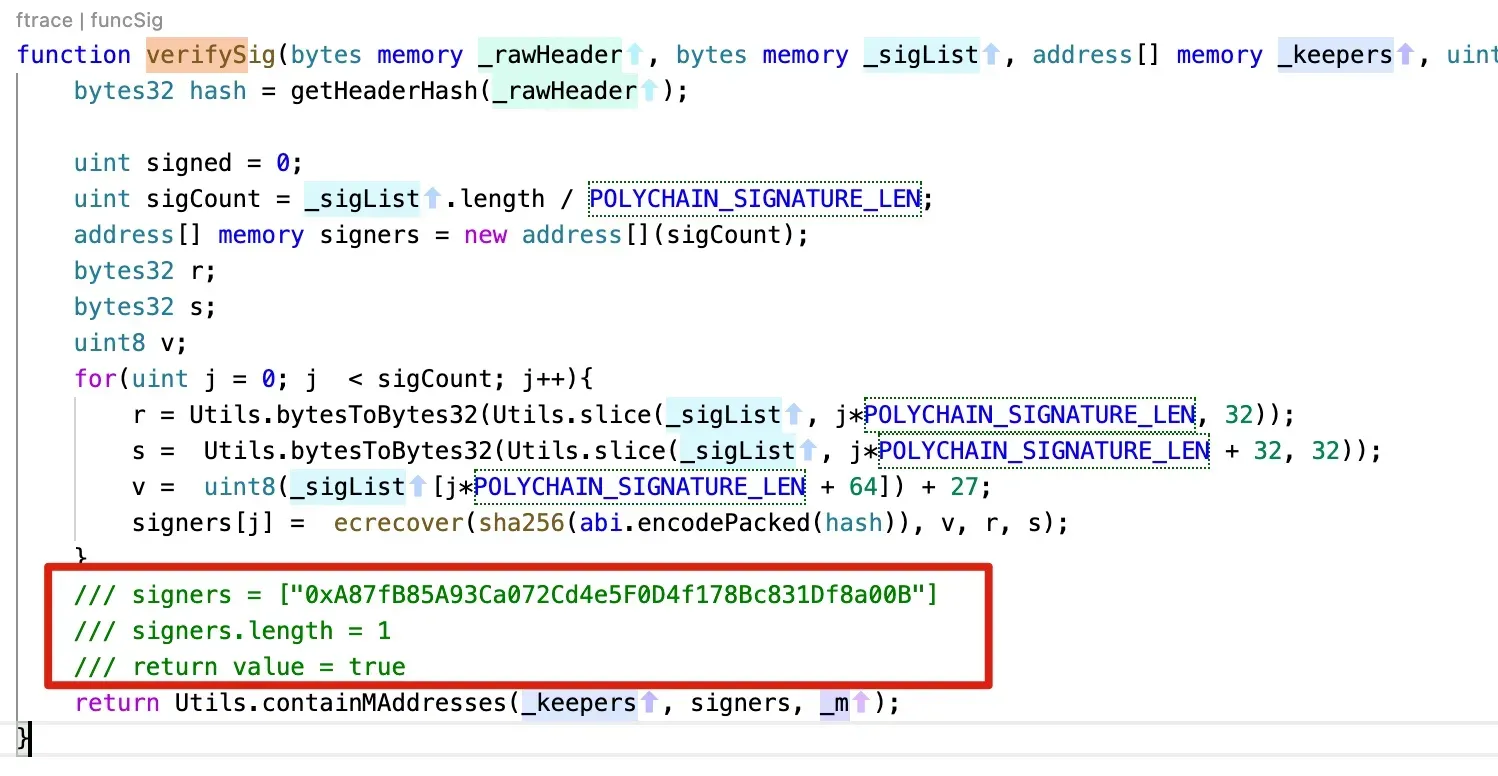
为了更好地理解这个过程,我们恢复了调用追踪的关键值。

函数:verifyHeaderAndExecuteTx:
verifySig
unlock
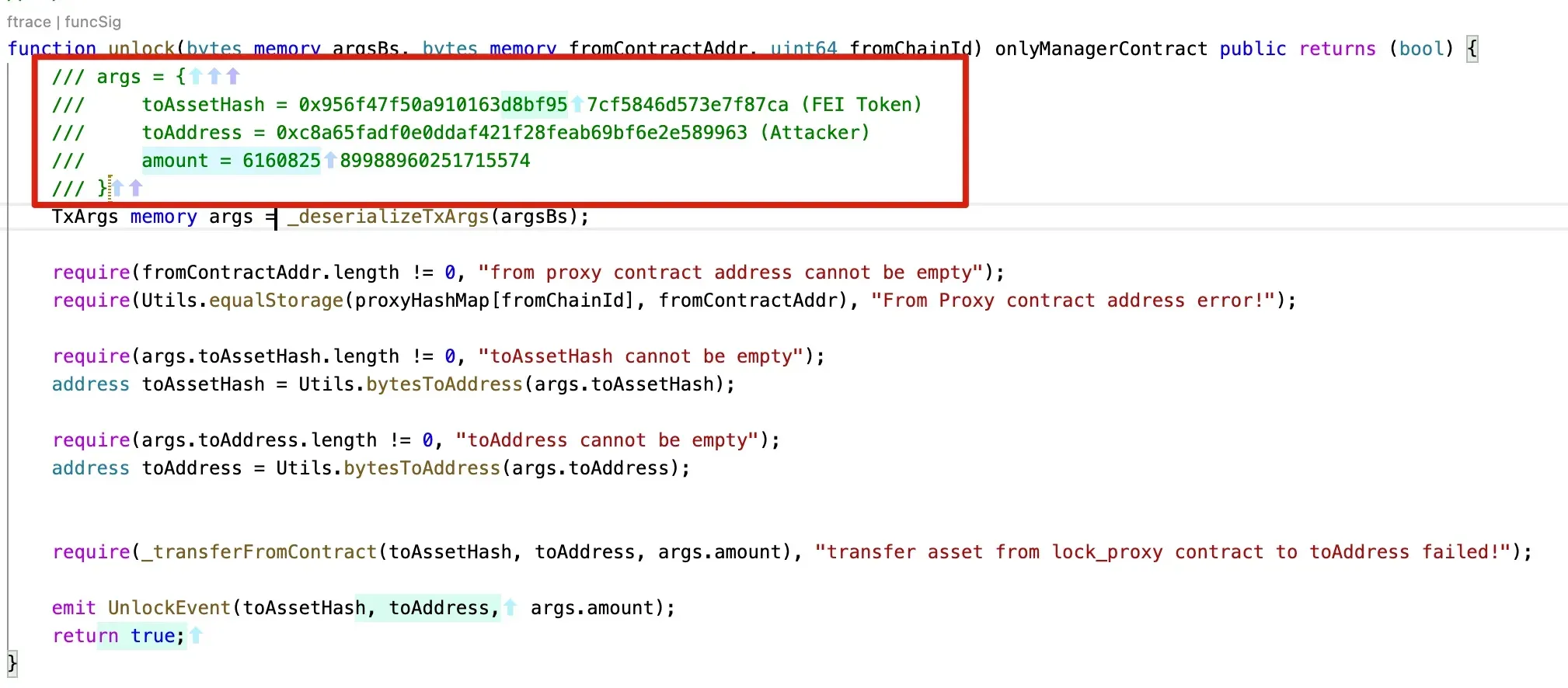
LockProxy 中的 managerProxyContract 变量。它与 unlock 函数的调用者地址值匹配。

结论

从恢复的值中,我们发现:

  1. 攻击者向 verifyHeaderAndExecuteTx 函数提供了一个有效的签名消息。
  2. LockProxy 智能合约中的 onlyManagerContract 修饰符被绕过。

基于这两个观察,我们推测:

  1. 攻击者可能拥有用于签名消息的合法密钥,这表明签名密钥可能已泄露。

或者

  1. PolyNetwork 的签名过程中存在一个 bug,该 bug 被滥用来签名伪造的消息。

然而,我们没有更多的链下数据来验证我们的发现。我们希望我们的分析能为进一步的调查提供帮助。

鸣谢:Yufeng Hu, Siwei Wu, Lei Wu, Yajin Zhou @BlockSec

Twitter:https://twitter.com/BlockSecTeam
Sign up for the latest updates
#1 Cetus Incident: One Unchecked Shift Drains $223M in the Largest DeFi Hack of 2025

#1 Cetus Incident: One Unchecked Shift Drains $223M in the Largest DeFi Hack of 2025

Cetus Protocol, the largest concentrated-liquidity DEX on Sui, was exploited on May 22, 2025, resulting in an estimated ~$223M loss across multiple liquidity pools. The attacker leveraged a flaw in checked_shlw(), a custom overflow-prevention helper used in fixed-point u256 math, where an incorrect constant and comparison failed to block unsafe left shifts and caused silent truncation of high bits during liquidity delta calculations. By crafting specific liquidity and tick/price-range parameters, the exploit made required deposits appear near-zero while minting an oversized liquidity position, which was later withdrawn to drain real pool reserves.

#2 Bybit Incident: A Web2 Breach Enables the Largest Crypto Hack in History

#2 Bybit Incident: A Web2 Breach Enables the Largest Crypto Hack in History

The largest crypto hack ever, the February 21, 2025 Bybit breach stole about $1.5B after attackers used social engineering to compromise a Safe{Wallet} workflow, injected malicious JavaScript into an AWS S3 bucket, tampered with the transaction signing process, and upgraded Bybit’s Safe{Wallet} contract to a malicious implementation that drained funds across multiple chains.

Weekly Web3 Security Incident Roundup | Jan 25 – Feb 1, 2026

Weekly Web3 Security Incident Roundup | Jan 25 – Feb 1, 2026

During the week of January 25 to February 1, 2026, six blockchain security incidents were reported with total losses of ~$18.05M. These involved improper input validation, token design flaws, key compromises, and business logic errors across DeFi protocols on multiple chains. The primary causes included unchecked user inputs enabling arbitrary calls, flawed burn mechanisms allowing price manipulation, compromised developer tools, and missing solvency checks in lending functions.