A blank report waits on the analyst's screen after a transaction flags for structuring. A SAR form is the structured document an institution completes to report a suspicious transaction, capturing party, transaction, and narrative details. The form looks administrative; in practice it is the single place where an institution's judgment becomes a legal record.
This guide walks through what the form covers, the fields that carry the evidence, and how the same report changes shape across jurisdictions. The form sits at the end of the transaction monitoring workflow that produces the alert.
What a SAR Form Covers
A SAR form is the institution's written account of a transaction it has decided to flag. It is not a verdict. The filing says "this looks suspicious and we are reporting it," not "this is a crime."
It carries two kinds of information: identifying detail (who filed, who the subjects are, what activity prompted the report) and a narrative explaining why the activity looks like money laundering, fraud, or terrorist financing. Regulators read both together; a form that lists data without a narrative tells them nothing about what to investigate.
Key SAR Form Fields
A SAR form is built around four blocks of fields (filer, subject, transaction, and narrative), and the narrative is the one that separates a useful report from a data dump. SAR form fields typically record the filer, subject parties, transaction amounts and dates, and a narrative describing why the activity appears suspicious.
The filer block identifies the institution; the subject block names the parties and addresses; the transaction block captures amounts, dates, and identifiers. The narrative states what happened and why it looks suspicious: the thread a regulator pulls. For the definition behind the form and the filing workflow, see How to Write a Crypto SAR or STR.
Jurisdictional Format Differences
Completing a SAR form accurately matters because regulators act on the details, so the tool exports a draft your team reviews before filing. The same report travels under different names and layouts depending on where the institution files. SAR and STR name the same filing; How to Write a Crypto SAR or STR covers the shared workflow.
| Dimension | United States | Hong Kong & Singapore |
|---|---|---|
| Form name | FinCEN SAR (Form 111) | STR (Suspicious Transaction Report) |
| Electronic filing | BSA E-Filing System | National FIU portal |
| Subject detail | Parties and accounts | Parties and transaction identifiers |
| Narrative field | Required explanation | Required explanation |
The international obligation behind every national form comes from the Financial Action Task Force recommendations, and FinCEN defines the money-laundering predicate the US form is meant to surface.
From Screen to Form
The form is the last step in a chain that starts with a transaction alert. Transaction monitoring flags a pattern, and an analyst reviews it against the wallet's history. Phalcon Compliance assembles the evidence into a SAR draft (hashes, addresses, amounts, and a narrative), and the reviewing team carries it into whichever form their jurisdiction requires.
The value of the export step is that nothing gets re-typed. Evidence from the transaction graph moves into the form's fields without a human transcribing hashes by hand. The team reviews the draft and submits it; the submission and the compliance responsibility stay with the institution.
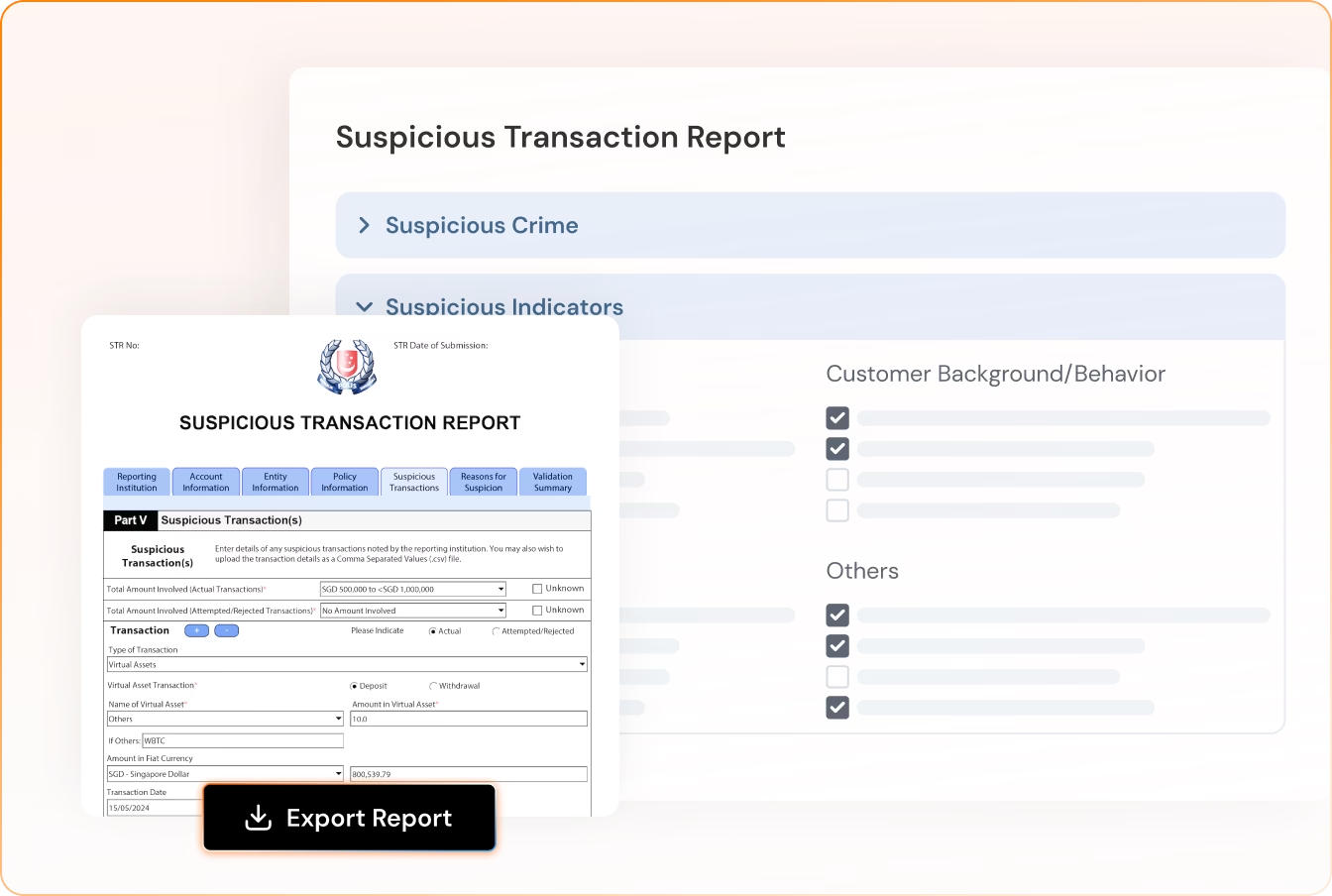
Book a demo of Phalcon Compliance and watch the export step turn flagged-transaction evidence into a completed draft, with no re-typing between graph and form; for the risk shift that starts the chain, see Can a Crypto Wallet Become Risky After Being Clean?.
FAQ: SAR Form Basics
What is a SAR form?
It is the structured document an institution files to report a suspicious transaction, with fields for the filer, the subject, the transaction details, and a narrative.
What fields does a SAR form include?
Filer information, subject parties, transaction amounts and dates, and a narrative explaining why the activity appears suspicious.
Do I fill in the form or does the tool?
Phalcon Compliance assembles the evidence into a draft; your team reviews it and files it. The submission and the compliance responsibility stay with the institution.