By 2025, the underlying protocols of global financial payment links are undergoing a shift. Industry data shows that the total market capitalization of stablecoins has exceeded $250 billion, with annual trading volume reaching $36.3 trillion, a figure that has already exceeded the combined processing volume of Visa and Mastercard. Corresponding to this is the mismatch in the level of compliance risk control. According to BlockSec's 2025 Crypto Crime Report, illicit activity on-chain continued to expand in scale and structural complexity: sanctions-related transaction volume surged by nearly $100 billion year-over-year, the Lazarus Group's $1.5 billion exploit of Bybit marked the largest single theft in crypto history, and over 80% of scam proceeds on the TRON network were funneled through a concentrated set of exchange liquidity hubs, collectively underscoring the urgent and specific demands placed on institutions' on-chain AML monitoring and transaction screening systems.With the evolution of attack techniques and the increase in the level of cross-chain interaction, the complexity of the network topology for fund tracing has increased significantly.In the face of sudden security incidents, how to shorten the response window period and select a suitable Blockchain Compliance Platform based on the actual business situation is a practical issue that most business leaders in institutions need to address currently.
Chain Security Incident Review: Business Causes of the Failure of Traditional Rule Engines
With the iteration of encrypted asset transfer methods, the static interception mechanism based on the blocklist has difficulty handling high-frequency cross-chain interactions, resulting in risk funds evading detection in multi-layer routing.
Stablecoins Become the Core Link in Money Laundering: The Operational Path Behind 84% of Illegal Transactions
Early compliance frameworks typically focused monitoring on anonymous coins or native assets. Current Data Analysis results show that, with their fiat-anchored attributes and abundant on-chain liquidity, stablecoins have become the primary vehicle for illegal transfers, accounting for 84% of all illegal cryptocurrency transactions. In many types of cross-border criminal cases, the proceeds of crime are often ultimately transferred through contract nesting into the stablecoin pools of Ethereum or Tron. Existing traditional rule engines mostly rely on periodically updated static feature libraries for comparison. When faced with high-frequency, small-value fund flows generated by the splitting of darknet entities or sanctioned addresses, the list hit rate and Synchronization Delay issues of such engines increase significantly.In a business environment where the techniques of fund commingling are changing, a single-point defense system without dynamic behavior detection will find it difficult to maintain an effective interception rate.
Neglected Compliance Exposure: 13U Contamination Risk Associated with a 10,000U Transaction at a Single Node
In daily on-chain payment and collection operations, most institutions have not conducted in-depth quantification of the pollution ratio in underlying liquidity. Sampling tests conducted by security institutions based on full node data provide a set of base line indicators: for every 10,000 USDT transferred in a regular network, there is approximately 13 USDT associated with risky funds. This is the objective operating environment of current Web3 payment and settlement channels. When an institution's compliant reserve fund pool is commingled with risky assets generated from hacker theft and money laundering intermediation, if there is a lack of a monitoring strategy for tracing up layer by layer, it is highly likely to trigger the Anti Money Laundering red lines of sovereign countries. Once this latent compliance gap enters the judicial review stage, in addition to involving high administrative fines, it may more likely directly lead to the restricted operation of the fiat currency deposit and withdrawal channels of the business entity.
Response Time Difference: The Cross-chain Operation Process by Which Attackers Evade Static Tracking
The current attack profit chain has generally adopted a rapid withdrawal strategy. Reviewing recent cases of decentralized protocol damage reveals that after obtaining control of funds, attackers typically call multiple permissionless cross-chain bridges and aggregated routing protocols within ten minutes, convert a single stolen asset into native tokens of multiple public chains, and distribute them in batches to hundreds of newly generated derivative addresses. Traditional static tracking tools based on daily snapshot updates and manual reconciliation have a significant time lag in data synchronization. This provides execution space for attackers to obfuscate funds. When the security team obtains the offline assessment report, the assets usually have completed more than three cross-chain transfers, which poses specific implementation obstacles to subsequent gateway blockades and offline recovery.
Golden 60 Minutes: Emergency Compliance and Response Operation Guide in the Event of a Sudden Theft Incident
**In the initial handling process of an incident, establishing multi-dimensional behavioral alerts and system-level interception actions is a necessary step to control the asset attrition rate. **
7 Major Channels in Real-time Linkage: How to Capture Over 200 Risk Signals in the Early Stages of an Incident
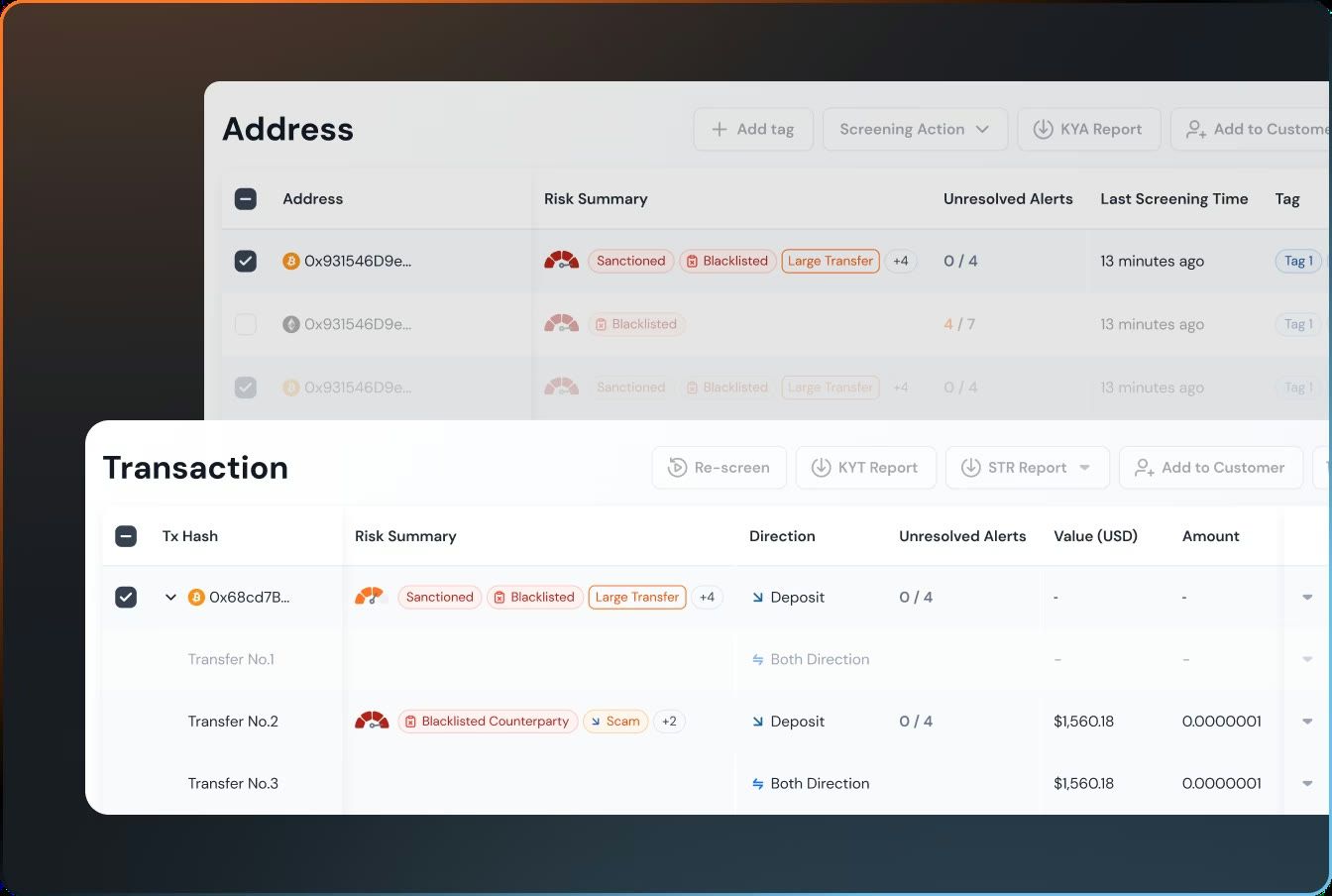
The key to handling abnormal transfers on the chain lies in reducing the response time from the occurrence of an anomaly to the team's intervention. A high-standard emergency coordination system requires the risk control module to identify anomalies during the transaction's on-chain or mempool stage. By deploying monitoring probes covering over 200 features such as entity association, contract call anomalies, and capital dispersion anomalies at the protocol layer, institutions can obtain threat clues at the initial stage. After obtaining threat intelligence, the system needs to have the ability to reach across lines of business. By integrating internal workflow tools such as Telegram, encrypted email push, and Lark, the automated information distribution mechanism across 7 major channels can ensure that legal, product R&D, and external risk control teams establish working groups in the early stages of an incident, reserving time for subsequent isolation operations.
Emergency Circuit Breaker Mechanism: Automated Isolation Strategy for Risk Entities
After identifying high-risk behaviors, relying solely on manual approval makes it easy to miss the disposal node, so the system needs to have the function of executing pre-set isolation logic. A mature compliance intervention solution is not limited to sending email notifications; it also needs to establish a strong association with the protocol layer or API interface of the business system. When the on-chain monitoring module determines that a certain interaction link has a relatively high money laundering risk, it should emit a machine-readable decision that your own pre-set circuit breaker gateway acts on, blocking asset transactions between the business interface and the risky entity. Note where the boundary sits: the compliance platform screens, scores, and signals, while the isolation itself is executed by your business system under rules you define. That makes the decision output the thing to evaluate — it must stay low-false-positive under high concurrency, so that your gateway cuts off subsequent calls from risk sources without erroneously interrupting the transactions of normal liquidity market makers. This fine-grained access control relies on the accuracy of the underlying platform's discrimination of real-time data.
Core Technology Breakdown: Essential Capabilities of an Enterprise-level Blockchain Compliance Platform
**The new compliance monitoring system needs to address issues such as high-throughput data processing, multi-level traceability tracking, and intelligence label updates to handle forensic evidence collection in the cross-chain coin mixing environment. **
Addressing Multiple Confounding Factors: Maintaining Hierarchical Coherence in Cross-Chain Analysis of 20+ Public Chains
In response to the link disconnection issue caused by mixers and cross-chain routers, commercial-grade compliance platforms need to reconstruct the underlying graph data retrieval architecture. Enterprise-level platforms represented by Phalcon Compliance have addressed the performance limitations of traditional graph tools in terms of analysis layers in product design, achieving high-depth fund penetration retrieval. Regardless of the degree of mixing of the tracked assets in coin mixing protocols such as Tornado or the high-frequency transfer between more than 20 public chains including ETH, BSC, Solana, Base, Tron, and Arbitrum, the system can rely on the cleaning and modeling of underlying full-node data to maintain coherent analysis of graph nodes. By integrating efficient Anti Money Laundering solutions for encrypted assets, this traceability function that spans networks and entities forms the technical support for cutting off illegal fund links, rendering multi-layer nested concealment methods ineffective.
High-throughput data processing: Operational performance of 500+ behavioral analyses per second
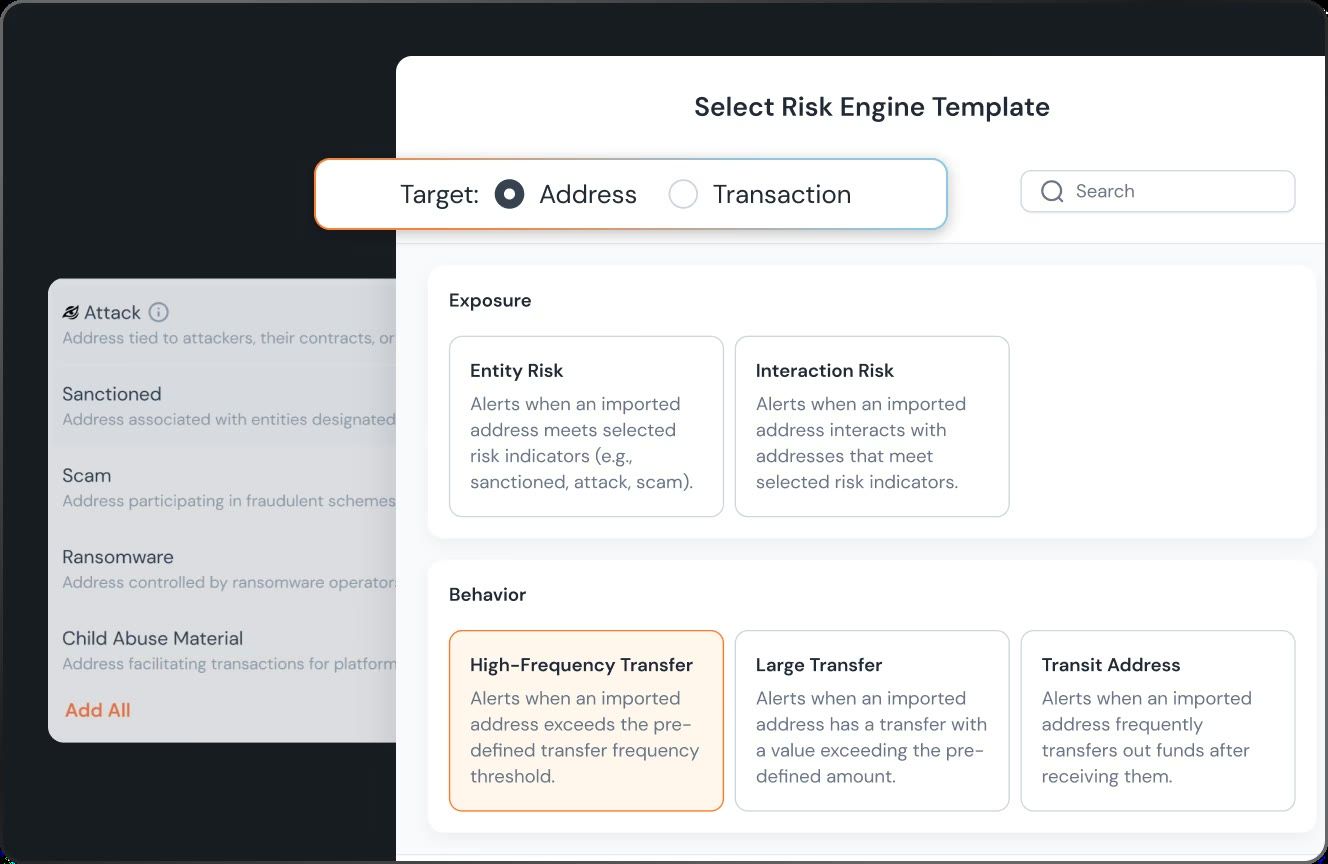
As the number of transactions carried by digital assets grows, the concurrency of on-chain data imposes specific performance metric requirements on the computational throughput of the compliance engine. During the business volume ramp-up period, the system needs to parse a large number of concurrent transactions in real time, and insufficient single-point performance can lead to queue backlogs and monitoring omissions. The high-specification behavior analysis module can maintain a processing speed of over 500 transactions per second in the actual deployment environment. This means that even during periods of high network gas fees and concentrated transactions, the system can still invoke the Machine Learning model to conduct risk comparison in terms of behavior for each piece of data entering the gateway. Compared with the traditional KYT mechanism that only relies on historical address lists, the behavior engine can extract blocking strategies based on abnormal features before malicious addresses are publicly released by analyzing call frequency, block interval, and underlying function execution paths.
Entity Attribution Mechanism: Daily Update and Matching Logic of the 600M+ Address Tag Library
The effectiveness of the defense line is largely constrained by the coverage, update frequency, and labeling precision of the underlying intelligence database. Enterprise-level Blockchain Compliance Platforms need to establish a comprehensive entity database to reduce information blind spots. Current frontline compliance data platforms have already accumulated over 600 million on-chain address labels, which are continuously cleaned and corrected by a professional intelligence engineering team. This library table, which is in a state of high-frequency iteration, can compare verified hacker organizations, fraud-related parties, and dark web liquidity nodes. At the same time, it uses graph computing clustering methods to deduce the associated entities behind multi-signature and proxy payment behaviors.
However, the scale of the label library alone does not determine its operational value, labeling accuracy is equally critical. A mislabeled address, such as a legitimate business wallet incorrectly flagged as illicit, can trigger automated blocking logic that cuts off a compliant counterparty from normal settlement channels, directly damaging that entity's commercial operations and exposing the platform to disputes and reputational risk. This means the underlying intelligence layer must maintain rigorous false-positive controls: label assignments should be grounded in multi-source corroboration, behavioral pattern validation, and continuous correction workflows rather than single-signal heuristics. When the monitored address intersects with high-risk attributes in the label library, the system will aggregate surrounding interactive nodes and output an attribution analysis file with behavior links to assist risk control personnel in restoring the portrait of the operating entity, while simultaneously providing confidence scoring and audit trails that allow compliance teams to review, challenge, and refine label decisions before enforcement actions are triggered.
Handling of Transnational Incidents: Coordination of Multi-Jurisdictional Supervision and Review Docking Process
**Facing the regulatory requirements of different countries and regions, enterprises should adopt a standardized data traceability mechanism, output non-tamperable review documents, and control the communication costs of compliance docking. **
Review docking requirements: Adapt to Anti Money Laundering standards in 27+ jurisdictions including Hong Kong, Singapore, etc.
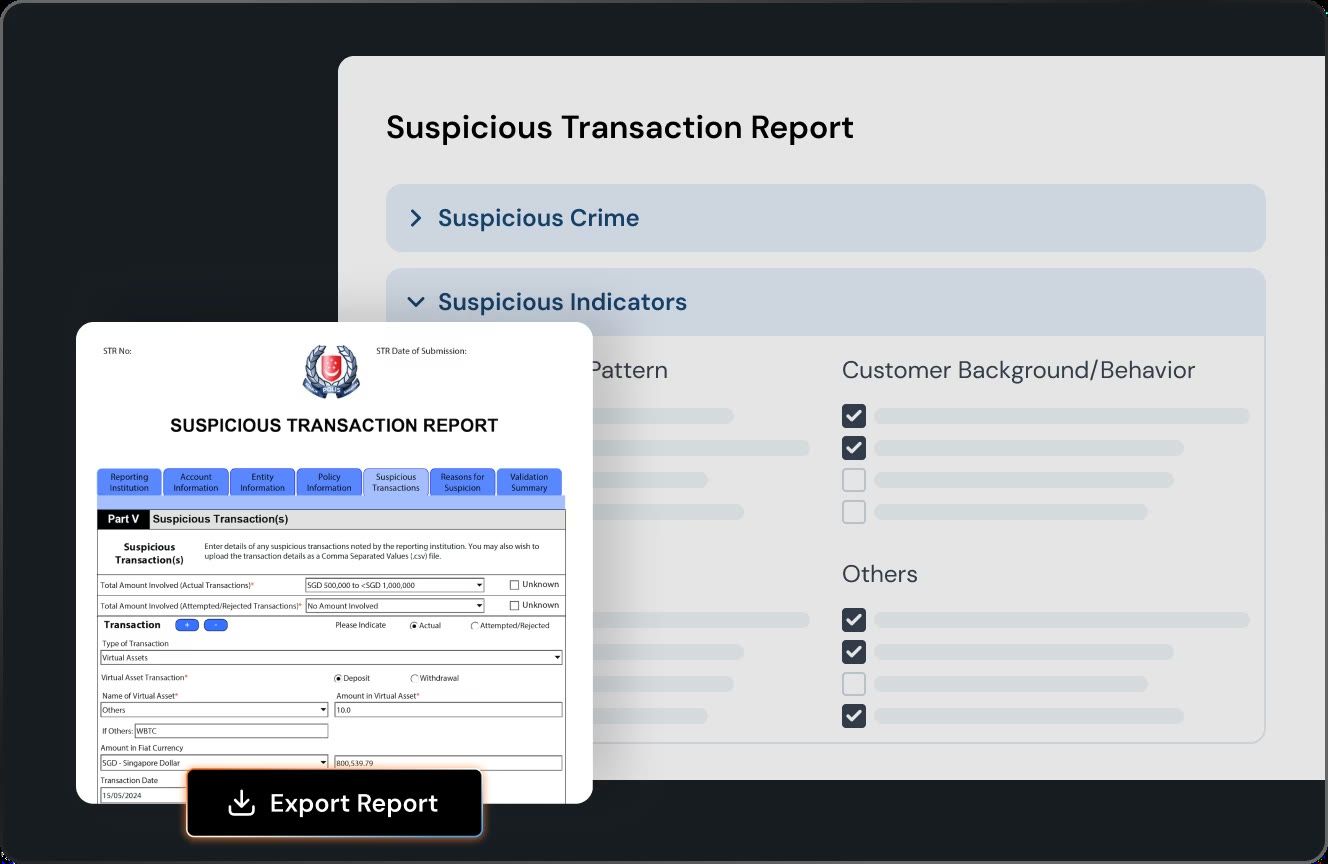
When a major capital security incident affects users of cross-border platforms, regulators in different jurisdictions will propose differentiated evidence collection standards. Involved enterprises need to provide traceability and evidentiary materials in a format that meets the requirements to local law enforcement agencies. Current compliance products integrate Regulatory Scrutiny templates that meet the requirements of most financial centers into their backend services, and can adapt to Anti Money Laundering verification regulations in at least 27 major global regions, including Hong Kong, Singapore, UAE, etc. This cross-regional compliance data output capability enables enterprises, after encountering abnormal on-chain fund movements, to submit clear details of fund flows to official law enforcement agencies in accordance with the prescribed procedures, providing the documentation trail that keeps subsequent business running under different policy environments.
Forensic Data Output: One-click retrieval of an immutable on-chain fund tracing report
When responding to external compliance audits and judicial evidence requests, basic business transaction tables often lack persuasiveness, and data workpapers with on-chain timestamps and hash proofs must be provided. Mature compliance monitoring terminals have incorporated a report generation module with forensic-level parameters. When dealing with sudden asset transfer events, investigators can input the initial suspicious address on the Console, and the platform can then invoke the backend computing power to generate a traceability report that includes a complete node transfer diagram, accompanied by on-chain execution records. Among the report output items, key transfer nodes, function call details, and entity clustering logic are all presented in a structured manner. This system-level evidence solidification method replaces the complex steps of manual puzzle reconciliation in the past, accelerating the progress of external compliance audits and the efficiency of XFN data flow.
FAQ: Anti Money Laundering and Tracking of Crypto Assets Business Q&A
**Provide technical-level response suggestions for pain points such as time-consuming fund tracing, behavior monitoring mechanisms, and gateway blocking that practitioners are concerned about. **
How long does it take for the Blockchain compliance platform to track stolen stablecoins?
The actual time taken for tracing depends on the underlying computing power allocation and node retrieval mechanism of the compliance platform. Traditional manual tagging tools often require a longer scheduling period to piece together and verify address clusters; while a compliance platform that integrates behavioral analysis algorithms and a high-concurrency processing framework (such as Phalcon Compliance, which has a processing capacity of 500+ TPS in a test environment), can run through deep-level fund transfer paths involving multiple EVM-compatible chains and non-EVM chains within a shorter time window via graph retrieval. This automated fund mapping function compresses the originally daily calculated investigation nodes to the hourly or even minute level.
What are the differences in the comparison between dynamic behavior analysis and the static KYT list?
The conventional KYT (Know Your Transaction) mechanism relies on a fixed historical blocklist database, which has data lag and struggles to intercept first-time attacks or newly activated risk addresses. In contrast, the monitoring engine that incorporates behavior recognition logic focuses on capturing features such as millisecond-level abnormal call frequencies, unaudited smart contract interaction behaviors, and instantaneous fund aggregation, and conducts feature engineering comparisons. It can output alarm information to the Risk Control Mid-Platform at the early stage of the execution of new obfuscation techniques, shifting the system's defense focus from historical data reconciliation to real-time abnormal flow interception.
Can the system intercept incoming fund transactions from entities associated with the dark web or sanction lists?
Under the condition that the network topology is reasonably designed and API docking is well-established, automated interception strategies can be configured. When the business entity integrates compliant services with low-latency gateway responses and connects to a widely covered dynamic risk tag library (such as a 600 million+ entity information library that is regularly cleaned and updated), once the compliance platform flags a transaction request at the deposit entry as highly relevant to the OFAC sanction list or dark web aggregation addresses, your own risk control routing can discard or reject it at the API level according to the circuit breaker rules you preset. The screening verdict comes from the platform; the interception is an action your system takes.This physically separates the mixing of compliant escrow funds from external high-risk funds, reducing the compliance exposure of the overall business pool.
Conclusion: In the current context where the digital asset payment link is gradually maturing, establishing an Anti Money Laundering system that is suitable for the business volume has transformed from a regular operational cost into a necessary precondition for supporting compliant business operations. By selecting the appropriate architecture based on the institution's own situation and integrating an enterprise-level Blockchain Compliance Platform with in-depth cross-chain retrieval, high-throughput behavior analysis, and comprehensive entity information support, it can assist risk control and compliance teams in clearly identifying the real ownership nodes of assets within the complex on-chain interaction network.This not only meets the existing requirements for penetrating audits but also provides objective risk control data support for the platform's future cross-regional business implementation.