Back to Blog

LI.FI攻击:跨链桥漏洞?不,是未经验证的外部调用!

Code Auditing
March 21, 2022
3 min read

根据 LI.FI 项目的报告和 Daniel Von Fange 的推文,我们注意到 LI.FI 在 2022 年 3 月 20 日遭受了攻击。由于没有对该漏洞进行详细的技术分析,我们将在下面进一步分析此次攻击。我们发现这次攻击的根本原因在于未经检查的外部调用

攻击交易

我们从攻击交易开始,来说明攻击过程。下面的截图展示了我们的交易可视化系统的分析结果。
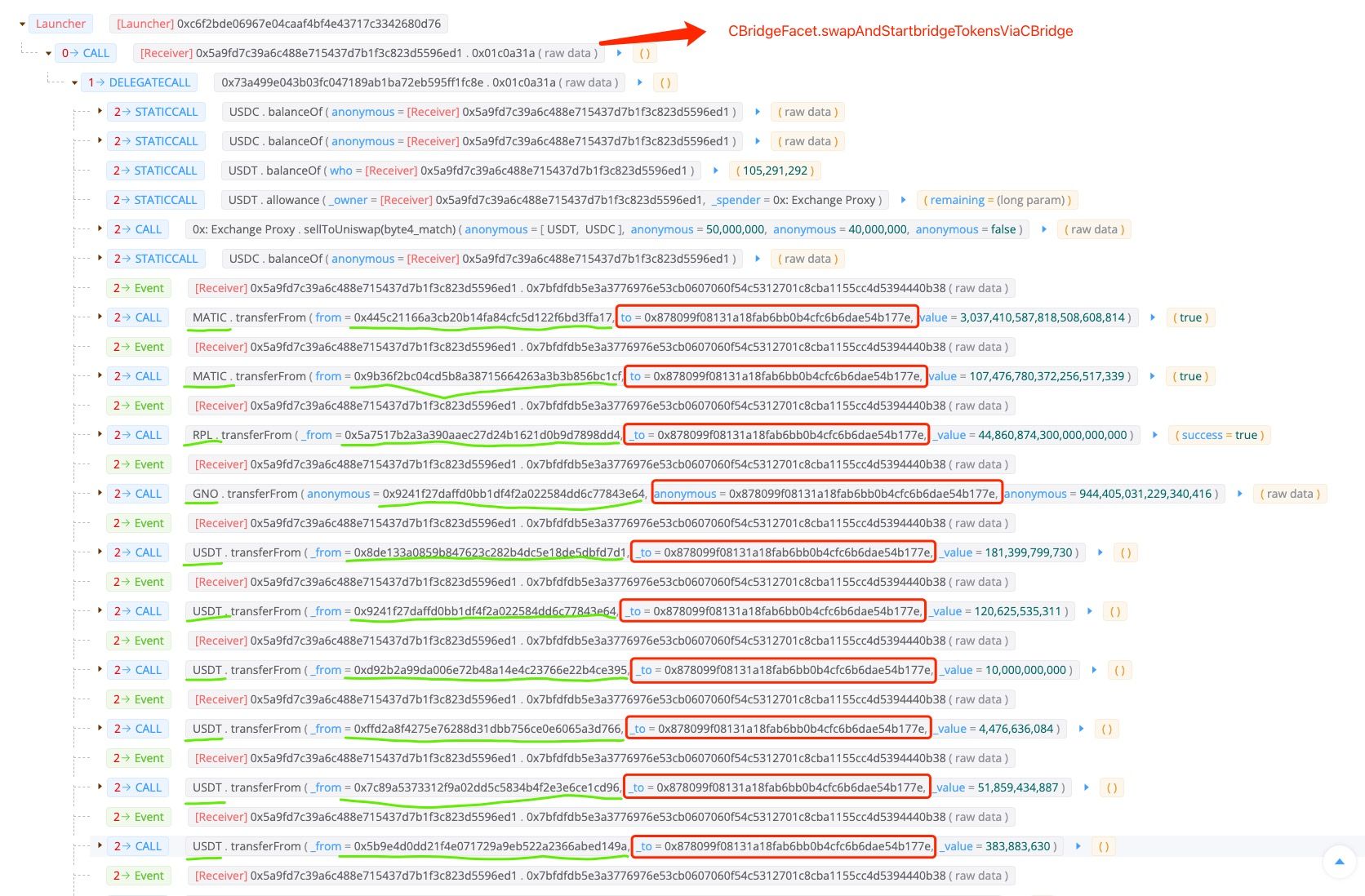
如上图所示,整个攻击过程相当简单,没有部署恶意智能合约,也没有涉及闪电贷。攻击者执行的唯一操作是调用 CBridgeFacet 合约中的 swapAndStartBridgeTokensViaCBridge(0x01c0a31a) 函数,该函数随后将各种代币(例如 USDC、MATIC、RPL、GNO、USDT、MVI、AUDIO、AAVE、JRT 和 DAI)从不同的支出方转移到由攻击者控制的EOA地址。

代码分析

接下来我们深入研究受害者逻辑合约的代码。
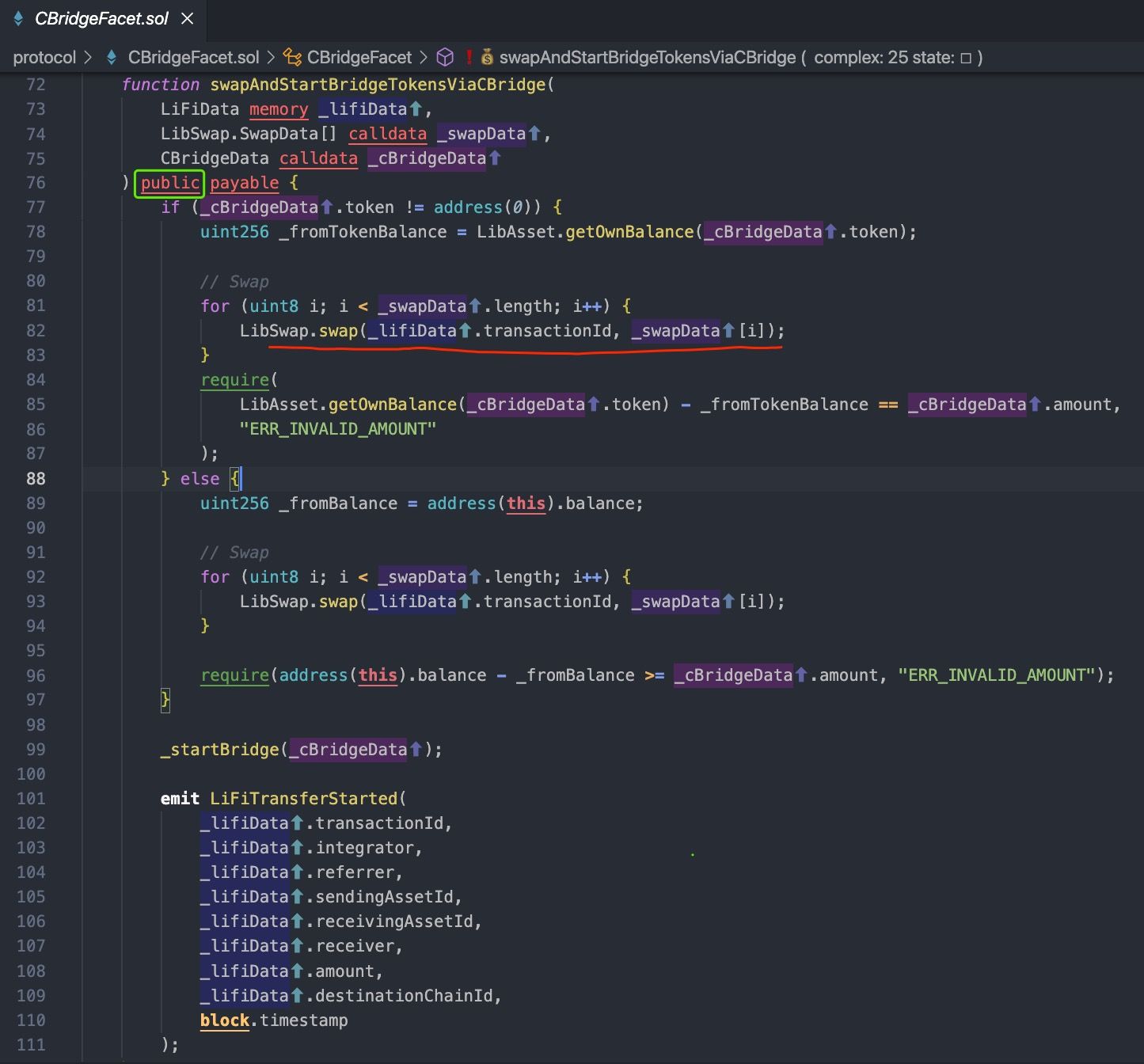
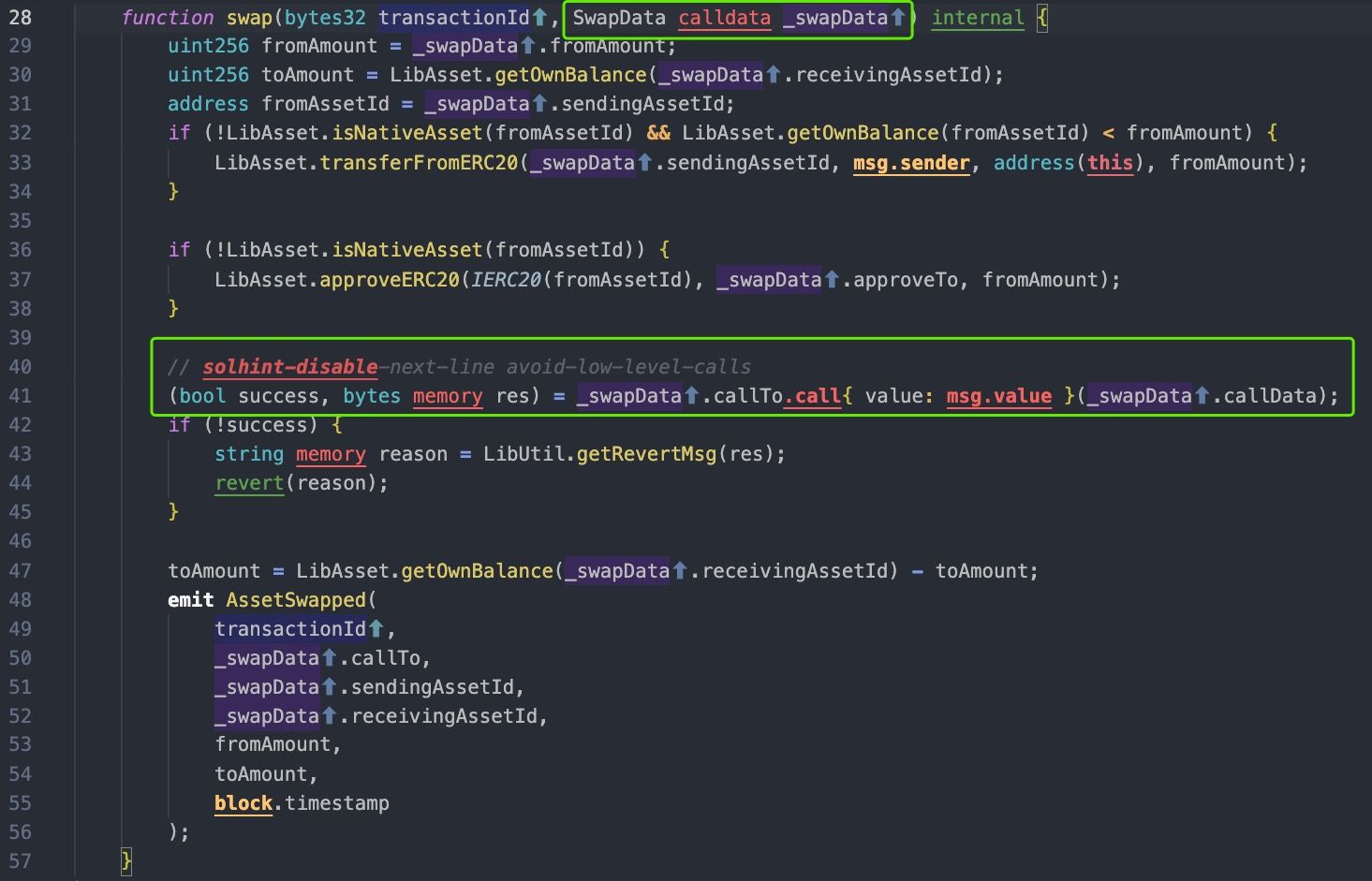
的代码
的代码
的代码
的代码

根据以上代码,swapAndStartBridgeTokensViaCBridge 是源链上跨链交易的入口。
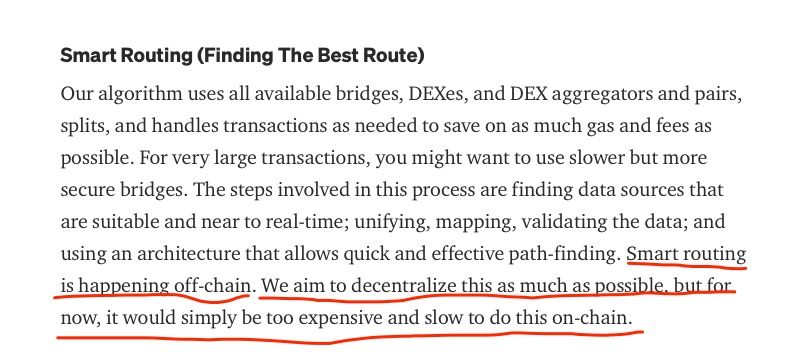
LIFI 项目声称他们能够为用户找到最佳路线,称为 Smart Routing,这是在链下发生的。特别是,前端网站会计算最佳路线,并将参数(包括交换合约和路由路径)编码到 swapAndStartBridgeTokensViaCBridge 函数的参数中。

显然,LIFI 项目没有考虑到该函数可以被区块链上的任何账户调用,因为该函数不对参数进行任何检查,例如白名单和滑点。最严重的问题是 CBridgeFacet 合约要求用户授权代币,这使用户的资金面临风险。

收益

因此,攻击者通过调用 swapAnStartBridgeTokensViaCBridge 函数,窃取了 LIFI 用户授权代币给 CBridgeFacet 合约的资金,然后该函数调用了不同代币的 transferFrom 函数。损失统计如下表所示。总损失约为 59.6 万美元,与 LIFI 项目的统计数据基本一致。

代币 金额 价格
GNO 0.94 310.22
USDC 202,012.28 0.999655
MATIC 3,144.89 1.46
AUDIO 1,202.37 1.10
AAVE 8.99 149.99
RPL 44.86 31.2
MVI 22.95 131.82
USDT 368,745.29 1
DAI 8,421.49 0.999847
JRT 136,805.06 0.03789613

教训

LIFI 是一个跨链桥聚合器,受害者合约是跨链转移的入口。漏洞并非由于复杂的跨链逻辑,这在之前的跨链桥安全事件中已经有所体现。相反,这次攻击的根本原因在于未经检查的外部调用,这是 Solidity 中最常见的 10 个问题之一

随着 DeFi 项目变得越来越复杂,项目开发者在编写正确的业务代码之余,还需要更加关注编写安全的代码。我们强烈建议项目要在区块链上部署未经审计的合约。

关于 BlockSec

BlockSec 是一家开创性的区块链安全公司,于 2021 年由一群全球杰出的安全专家创立。公司致力于增强新兴 Web3 世界的安全性和可用性,以促进其大规模采用。为此,BlockSec 提供智能合约和 EVM 链安全审计服务、用于安全开发和主动拦截威胁的 Phalcon 平台、用于资金追踪和调查的 MetaSleuth 平台,以及用于 Web3 构建者高效浏览加密世界的 MetaDock 扩展。

迄今为止,公司已为 MetaMask、Uniswap Foundation、Compound、Forta 和 PancakeSwap 等 300 多家知名客户提供服务,并已从 Matrix Partners、Vitalbridge Capital 和 Fenbushi Capital 等知名投资者那里获得了两轮数千万美元的融资。
官方网站:https://blocksec.com/

官方推特账号:https://twitter.com/BlockSecTeam

Sign up for the latest updates
~$4.72M Lost: TAC, Transit Finance & More | BlockSec Weekly
Security Insights

~$4.72M Lost: TAC, Transit Finance & More | BlockSec Weekly

This BlockSec weekly security report covers 3 notable attack incidents identified between May 11 and May 17, 2026, across TRON, TON, and Ethereum, with total estimated losses of approximately $4.72M. Three incidents are analyzed in detail: the highlighted $1.88M Transit Finance exploit on TRON, where a deprecated swap bridge contract with lingering token approvals was exploited through arbitrary calldata forwarding; the $2.8M TAC TON-to-EVM bridge exploit caused by missing canonical wallet verification in the jetton deposit flow; and the $46.75K Boost Hook exploit on Ethereum, where spot price manipulation on a Uniswap V4 hook-based perpetual protocol forced the protocol to buy tokens at inflated prices using its own reserves.

~$15.9M Lost: Trusted Volumes, Wasabi & More | BlockSec Weekly
Security Insights

~$15.9M Lost: Trusted Volumes, Wasabi & More | BlockSec Weekly

This BlockSec bi-weekly security report covers 11 notable attack incidents identified between April 27 and May 10, 2026, across Sui, Ethereum, BNB Chain, Base, Blast, and Berachain, with total estimated losses of approximately $15.9M. Three incidents are analyzed in detail: the highlighted $1.14M Aftermath Finance exploit on Sui, where a signed/unsigned semantic mismatch in the builder-fee validation allowed an attacker to inject a negative fee that was converted into positive collateral during settlement; the $5.87M Trusted Volumes RFQ authorization mismatch on Ethereum; and the $5.7M Wasabi Protocol infrastructure-to-contract-control compromise across multiple EVM chains.

Newsletter - April 2026
Security Insights

Newsletter - April 2026

In April 2026, the DeFi ecosystem experienced three major security incidents. KelpDAO lost ~$290M due to an insecure 1-of-1 DVN bridge configuration exploited via RPC infrastructure compromise, Drift Protocol suffered ~$285M from a multisig governance takeover leveraging Solana's durable nonce mechanism, and Rhea Finance incurred ~$18.4M following a business logic flaw in its margin-trading module that allowed circular swap path manipulatio

Best Security Auditor for Web3

Validate design, code, and business logic before launch. Aligned with the highest industry security standards.

BlockSec Audit