Back to Blog

Interlace 与 BlockSec 合作,提升加密支付合规性

Phalcon Compliance
September 16, 2025
6 min read

随着数字资产行业的规模不断扩大,对于任何处理存款和取款的平台来说,保持强大的加密支付合规性已变得至关重要。全球加密支付提供商 Interlace 实施了 BlockSec 的区块链合规解决方案 Phalcon Compliance,以简化风险审查、减少非法资金暴露并保护其生态系统。

行业格局与未来趋势

现状

U卡领域正在迅速扩张,但服务提供商之间的高流失率揭示了一个不稳定的格局。许多加密平台正在推出 U卡计划,但对上游合作伙伴的依赖以及日益增长的监管压力导致了高流失率。

价值链涉及合规、清算、卡片制造、支付网络集成、风险控制以及法币-加密货币转换等多个相互依赖的利益相关者,这使得实时合规管理至关重要。

机会依然强劲,特别是对于将收益产品与链上资产使用相结合的项目,以提高用户留存率并创造新价值。

然而,风险依然存在:外汇风险、复杂的税务、严格的反洗钱/反恐融资要求以及日益增加的欺诈相关合规义务。

增长驱动因素与痛点

主要驱动因素

  • 不断增长的 Web3 对无缝支付的需求,将 U卡定位为数字资产与现实世界用途之间不可或缺的桥梁。

  • 交易所和 Web3 项目可以通过生态系统协同效应和用户网络效应加速采用。

主要挑战

  • 稳定可靠的发卡机构合作伙伴的可用性有限,使得规模化难以实现。

  • 分散的全球监管要求在区块链合规和风险控制方面进行持续投资。

  • 短期激励不足以建立可持续的、长期的用户价值。

关于 Interlace

Interlace 成立于 2019 年,为全球企业和 Web3 机构提供稳定币跨境支付服务。该平台提供开放 API 以实现嵌入式金融,并服务于电子商务、游戏、广告代理和 B2B 贸易等行业。

Interlace 遵守全球监管标准,并持有最高级别的卡支付安全认证:PCI-DSS Level 1。它还在美国、香港特别行政区和立陶宛获得了许可。

BlockSec 之前的合规挑战

  1. 复杂的入站流量——大量存款通常来自高风险来源(混币器、被盗协议、暗网市场、受制裁地址)。手动审查缓慢、不可靠且非实时。

  2. 不确定的出站流量——难以检测提款地址是否属于黑客、网络钓鱼钱包或 OFAC 制裁实体,从而带来合规和声誉风险。

  3. 平衡控制与用户体验——严格的规则损害了良好用户,阻碍了增长,而宽松的规则则无效。需要精确的分级风险管理。

BlockSec 如何加强 Interlace 的加密支付合规性

入金风险管理

通过 KYA/KYT 进行的交易对手筛选

通过利用KYA(了解您的地址)KYT(了解您的交易),Phalcon Compliance 可以帮助 Interlace:

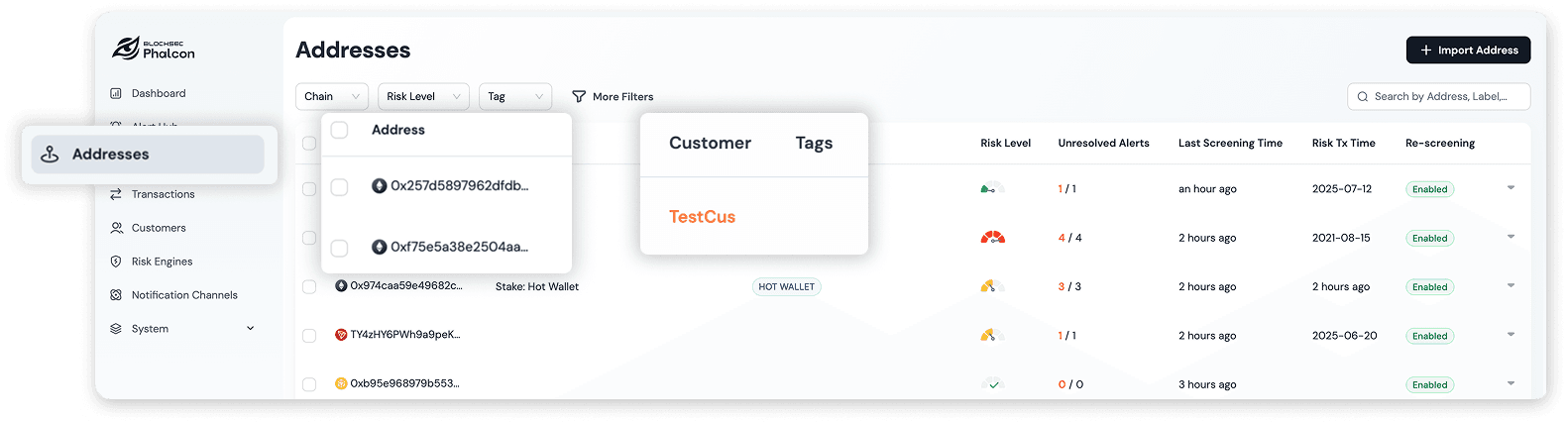
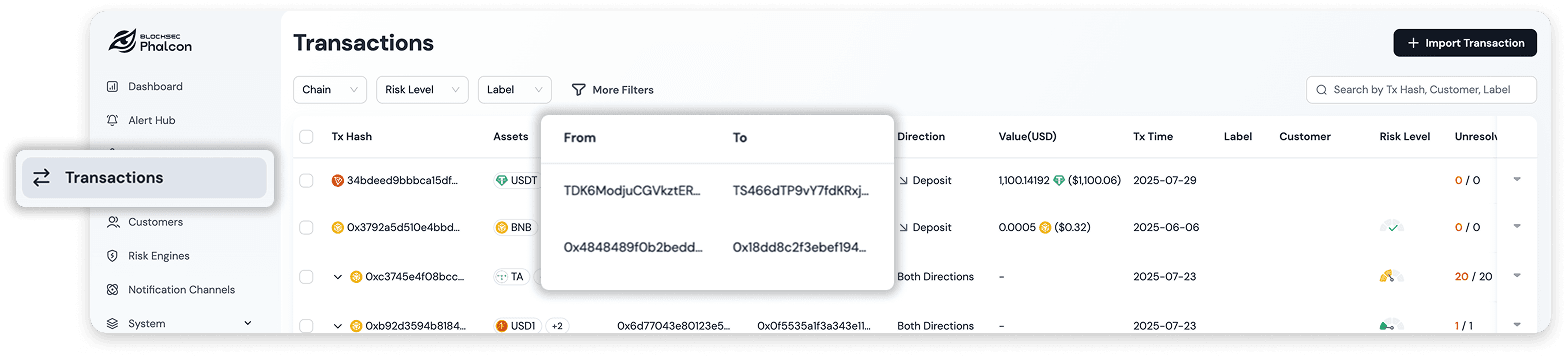
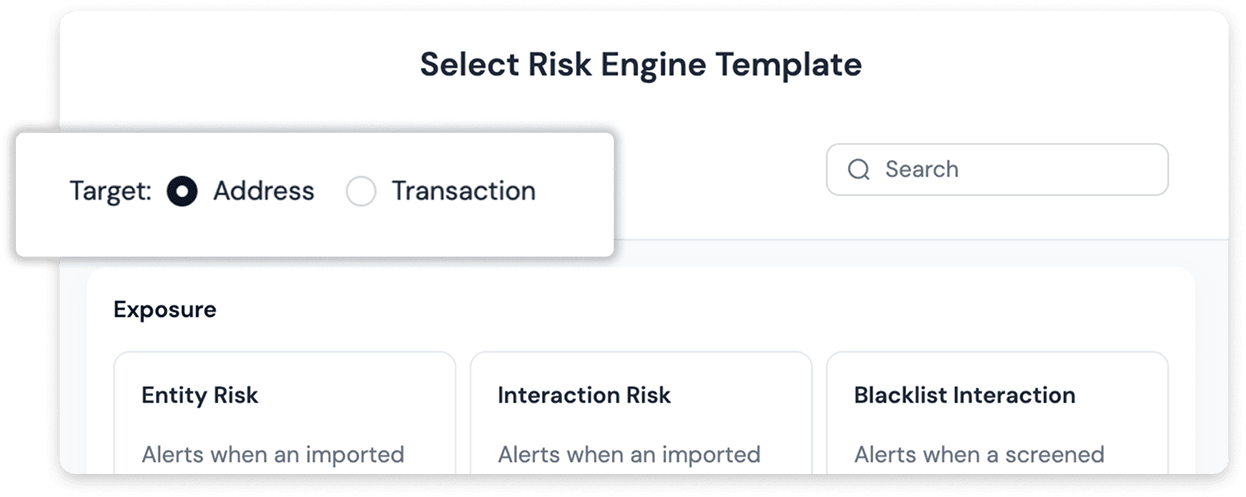
实时识别交易对手和资金来源。 Phalcon Compliance 地址与交易仪表板 精确分析地址历史、资金流向和标签数据,以查明高风险资金。 用户可以选择针对地址或交易的风险引擎模板

结果:

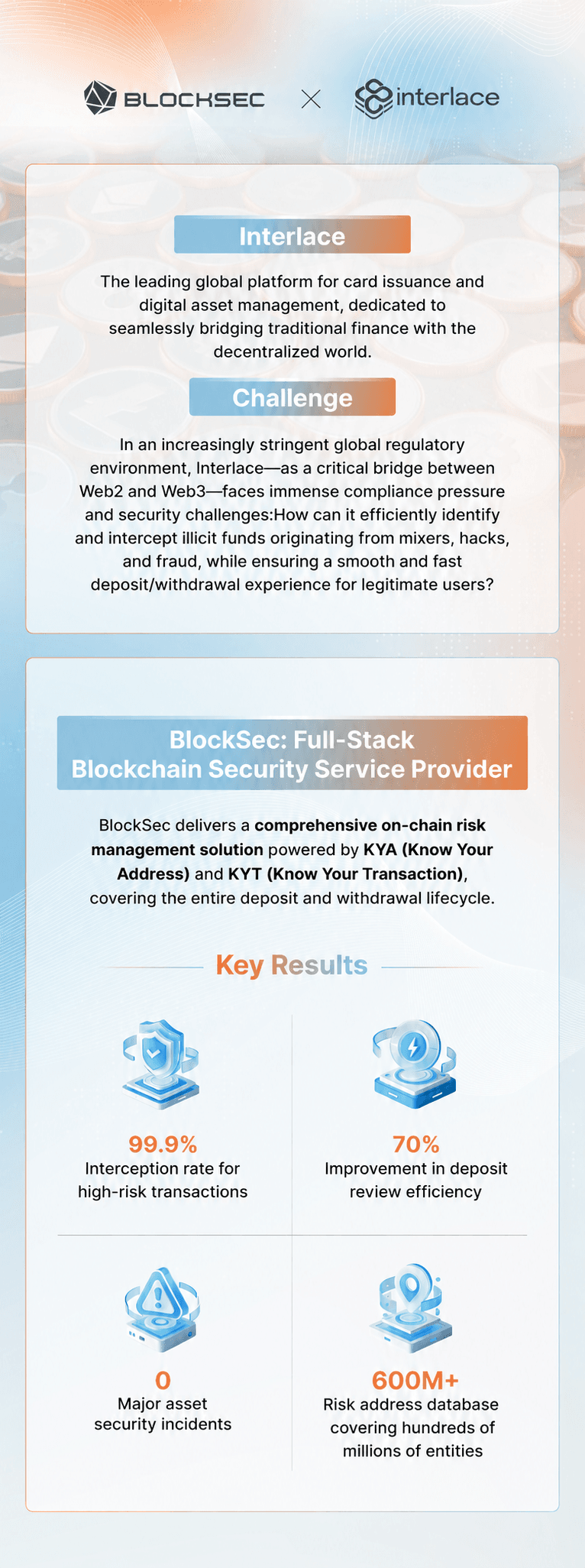
审查效率提高了 70%,使合规团队免于重复性检查。

分级风险处理

高/严重风险:限制存款;客户必须提供资金来源证明。根据监管要求,资金可能会被退还或冻结 7-30 天。

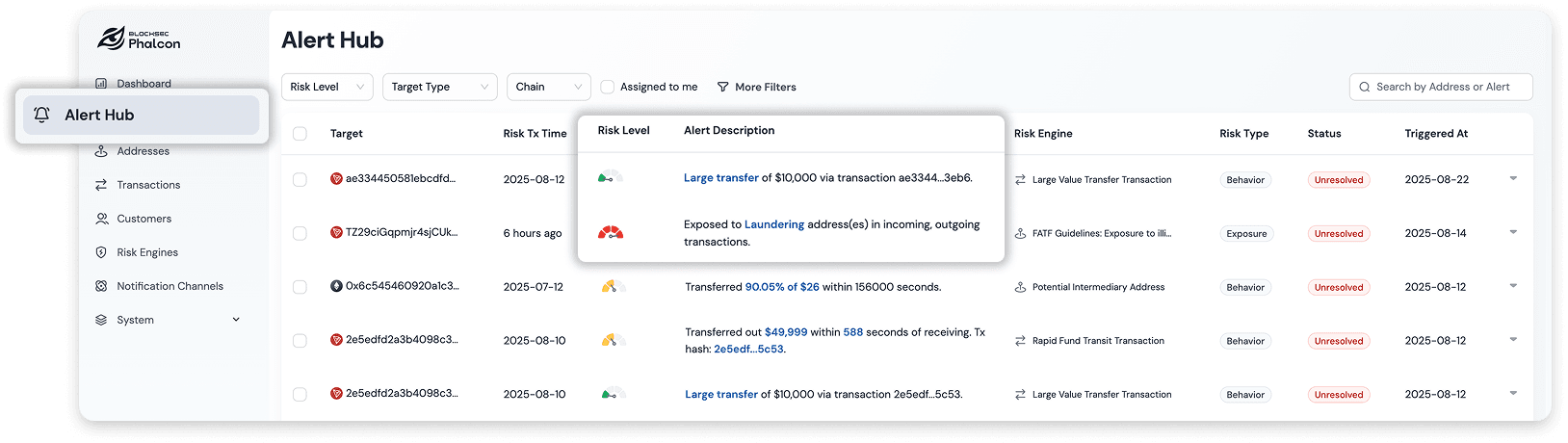
中风险资金:接受定期事后检查,并进行动态重新评估。 用户可以查看风险级别和警报描述

结果:

成功拦截了许多来自混币器和被盗资金的存款尝试。

提款风险管理

高风险地址屏蔽

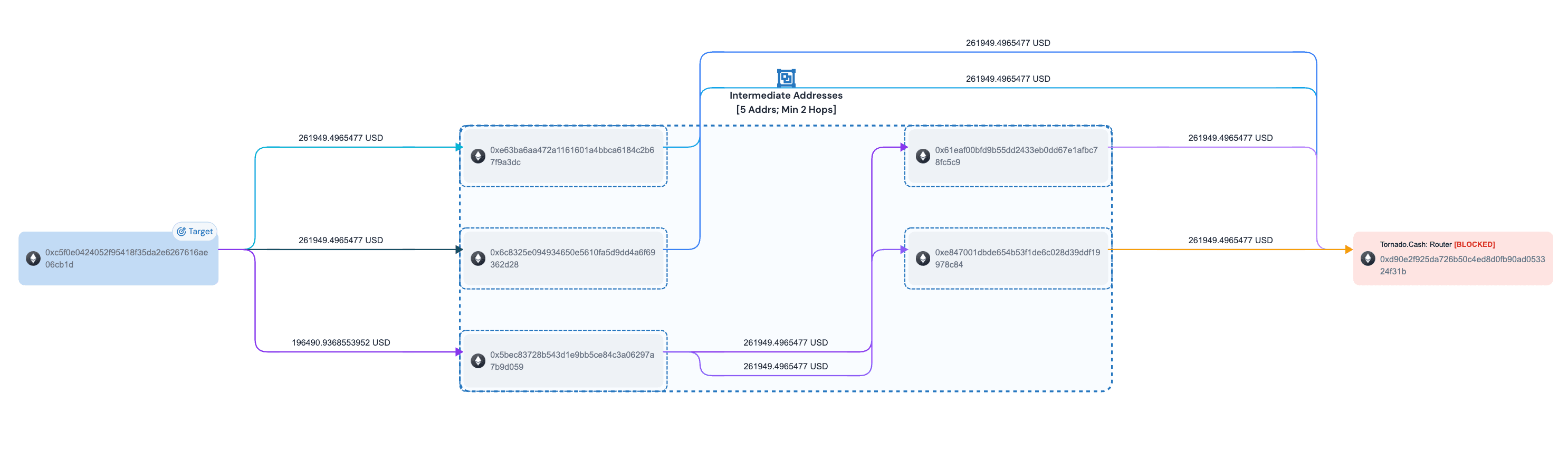
直接阻止提款至被标记为严重或高风险的地址。 提款资金流图

结果:

实现了 99.9% 的高风险提款拦截率,从源头切断了非法资金流动。

动态监控与链上追踪

持续更新确保提款地址与不断变化的风险列表保持一致,并支持实时链上追踪。

动态筛选资金流
动态筛选资金流

结果:

实现了零安全事件,平台资金得到了行业领先的合规水平保障。

实时风险拦截

在可疑出站交易执行前自动拦截。

团队协作与案例管理
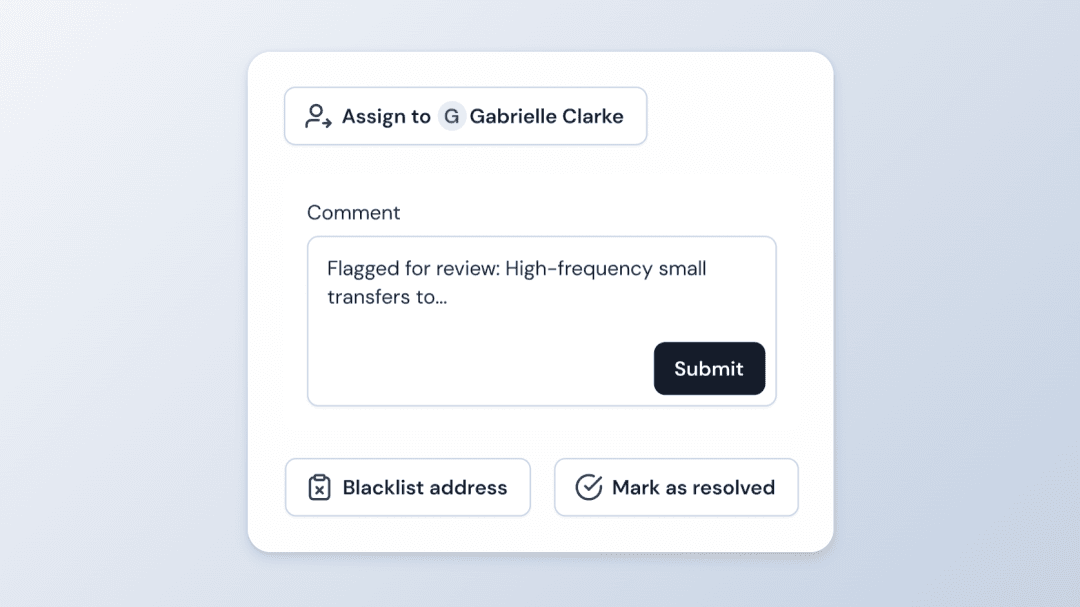
团队协作与案例管理

结果:

提高了透明度,降低了洗钱和非法活动的暴露风险。

以用户为中心的风险控制

BlockSec 的区块链合规解决方案确保:

  • 精细的风险评分和分级处理,而非一刀切。

  • 对普通用户进行毫秒级检查,确保顺畅的用户体验。

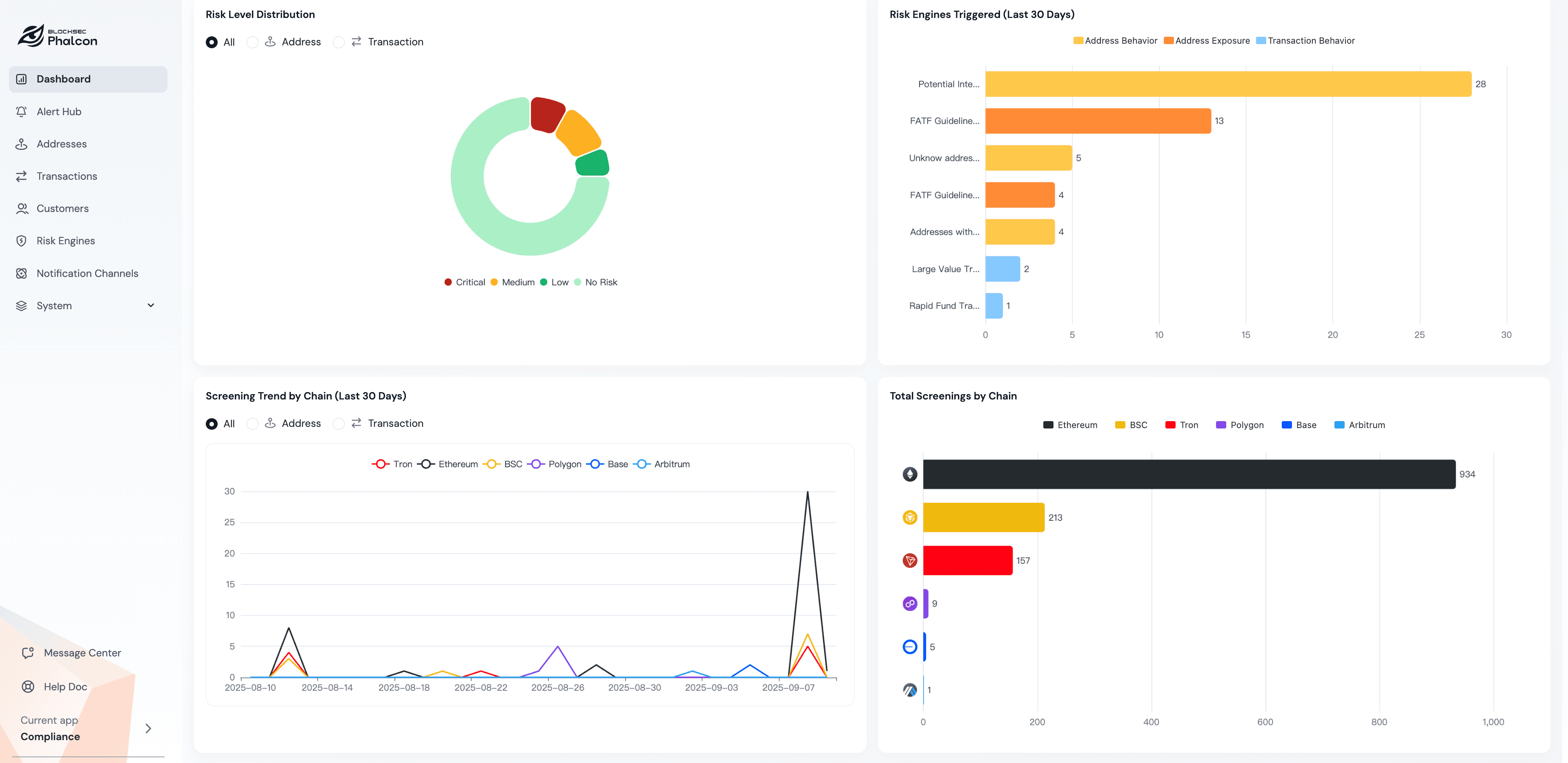
  • 仅针对高风险交易进行有针对性的拦截。 Phalcon Compliance 主仪表板

结果:

Interlace 在提高合规性的同时,保持了高用户满意度和留存率,支持了长期增长。

客户评价

与 BlockSec 的合作极大地增强了我们平台的安全性。实时入金和出金风险管理阻止了大量高风险交易。BlockSec 的解决方案不仅提高了我们的合规能力,还保持了用户体验——这对我们的长期增长至关重要。

— Romy,Interlace CPO

问答

Q1:如何将 KYA/KYT 集成到我们的系统中?

在入金和出金点使用 RESTful API 进行实时风险检查。集成通常在几天内完成。

Q2:BlockSec 覆盖多少个区块链地址?

超过 4 亿个已标记的地址,通过监控、人工智能算法和专家评审 24/7 更新。

Q3:Phalcon Compliance 是否符合全球监管标准?

是的。它符合 FATF 反洗钱/反恐融资标准,并支持审计日志、STR 报告和可定制的合规模板。

准备好加强您的加密支付合规性了吗?

BlockSec 帮助交易所、支付提供商、金融机构和 Web3 平台自动化风险检测、防止高风险交易,并保持完全合规——而不会损害用户体验。

👉 预约 Phalcon Compliance 免费演示

👉 获取您平台的实时风险评估

👉 了解 KYA/KYT 自动化如何将您的合规工作量减少 70%

今天就开始构建一个更安全、更合规的加密业务。

Sign up for the latest updates
The Decentralization Dilemma: Cascading Risk and Emergency Power in the KelpDAO Crisis
Security Insights

The Decentralization Dilemma: Cascading Risk and Emergency Power in the KelpDAO Crisis

This BlockSec deep-dive analyzes the KelpDAO $290M rsETH cross-chain bridge exploit (April 18, 2026), attributed to the Lazarus Group, tracing a causal chain across three layers: how a single-point DVN dependency enabled the attack, how DeFi composability cascaded the damage through Aave V3 lending markets to freeze WETH liquidity exceeding $6.7B across Ethereum, Arbitrum, Base, Mantle, and Linea, and how the crisis forced decentralized governance to exercise centralized emergency powers. The article examines three parameters that shaped the cascade's severity (LTV, pool depth, and cross-chain deployment count) and provides an exclusive technical breakdown of Arbitrum Security Council's forced state transition, an atomic contract upgrade that moved 30,766 ETH without the holder's signature.

Weekly Web3 Security Incident Roundup | Apr 13 – Apr 19, 2026
Security Insights

Weekly Web3 Security Incident Roundup | Apr 13 – Apr 19, 2026

This BlockSec weekly security report covers four attack incidents detected between April 13 and April 19, 2026, across multiple chains such as Ethereum, Unichain, Arbitrum, and NEAR, with total estimated losses of approximately $310M. The highlighted incident is the $290M KelpDAO rsETH bridge exploit, where an attacker poisoned the RPC infrastructure of the sole LayerZero DVN to fabricate a cross-chain message, triggering a cascading WETH freeze across five chains and an Arbitrum Security Council forced state transition that raises questions about the actual trust boundaries of decentralized systems. Other incidents include a $242K MMR proof forgery on Hyperbridge, a $1.5M signed integer abuse on Dango, and an $18.4M circular swap path exploit on Rhea Finance's Burrowland protocol.

Weekly Web3 Security Incident Roundup | Apr 6 – Apr 12, 2026
Security Insights

Weekly Web3 Security Incident Roundup | Apr 6 – Apr 12, 2026

This BlockSec weekly security report covers four DeFi attack incidents detected between April 6 and April 12, 2026, across Linea, BNB Chain, Arbitrum, Optimism, Avalanche, and Base, with total estimated losses of approximately $928.6K. Notable incidents include a $517K approval-related exploit where a user mistakenly approved a permissionless SquidMulticall contract enabling arbitrary external calls, a $193K business logic flaw in the HB token's reward-settlement logic that allowed direct AMM reserve manipulation, a $165.6K exploit in Denaria's perpetual DEX caused by a rounding asymmetry compounded with an unsafe cast, and a $53K access control issue in XBITVault caused by an initialization-dependent check that failed open. The report provides detailed vulnerability analysis and attack transaction breakdowns for each incident.

Start Real-Time AML with Phalcon Compliance

Turn Phalcon Network alerts into actions with Phalcon Compliance. Use verified blockchain intelligence to screen wallets, monitor transactions and investigate risks. This helps you respond quickly and stay compliant in the digital assets ecosystem.

Phalcon Compliance