如何使用BlockSec Anti-MEV PRC来安全打 Four.meme-避免被夹

如何使用BlockSec Anti-MEV PRC来安全打 Four.meme-避免被夹

什么是 Four.meme

Four.meme 是一个在 BNB Chain 上的公平启动平台,取消了预售、种子轮和团队分配,确保每个人都能平等参与 Memecoin 的交易。凭借链上低成本的交易和强大的基础设施,它提供了多种功能,如多代币交易、流动性激励和社区驱动的项目(空投、推荐等),简化了发现、启动和投资新 Memecoin 的过程。

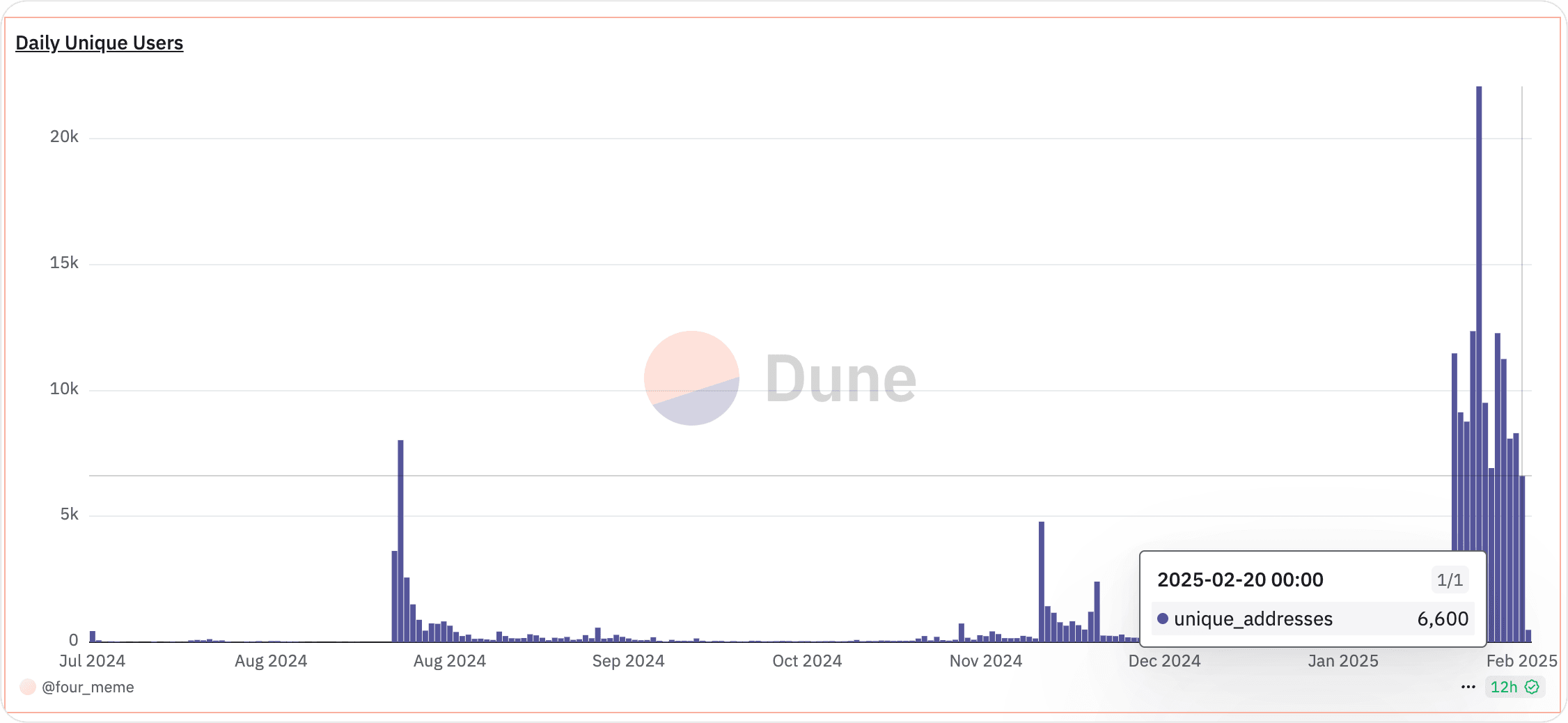
此外,正如下图所示,它的交易量最近屡创新高,反映出其快速增长的受欢迎程度。

三明治攻击

与此同时,三明治攻击正逐渐增多,恶意交易者利用区块链交易排序来最大化其利润,而牺牲了毫无防备的用户。

三明治攻击的原理

在三明治攻击中,攻击者扫描内存池寻找大额的交易。然后,他们迅速在目标交易之前下单(前置交易),将价格推高,导致受害者的交易以不利的价格执行,接着立即在目标交易后下单(后置交易),以现在被推高的价格卖出。这个“三明治”交易使得攻击者可以从价格差中获利。

一个真实的例子

以下是我们最近发生的一个真实例子

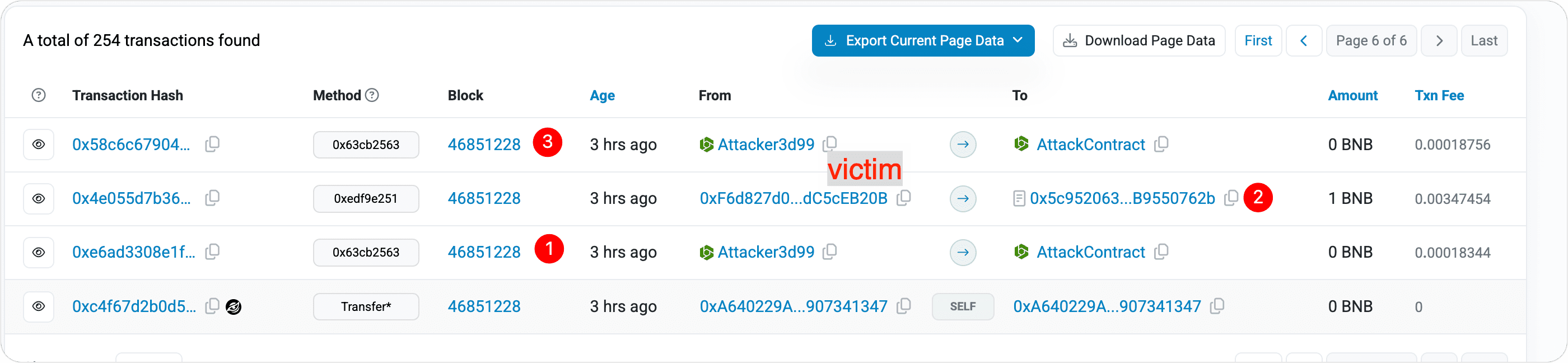
TX1

https://app.blocksec.com/explorer/tx/bsc/0xe6ad3308e1fa0a208a8c84e1bb15e8528fcf757968d0ac475732d2a1807547ba

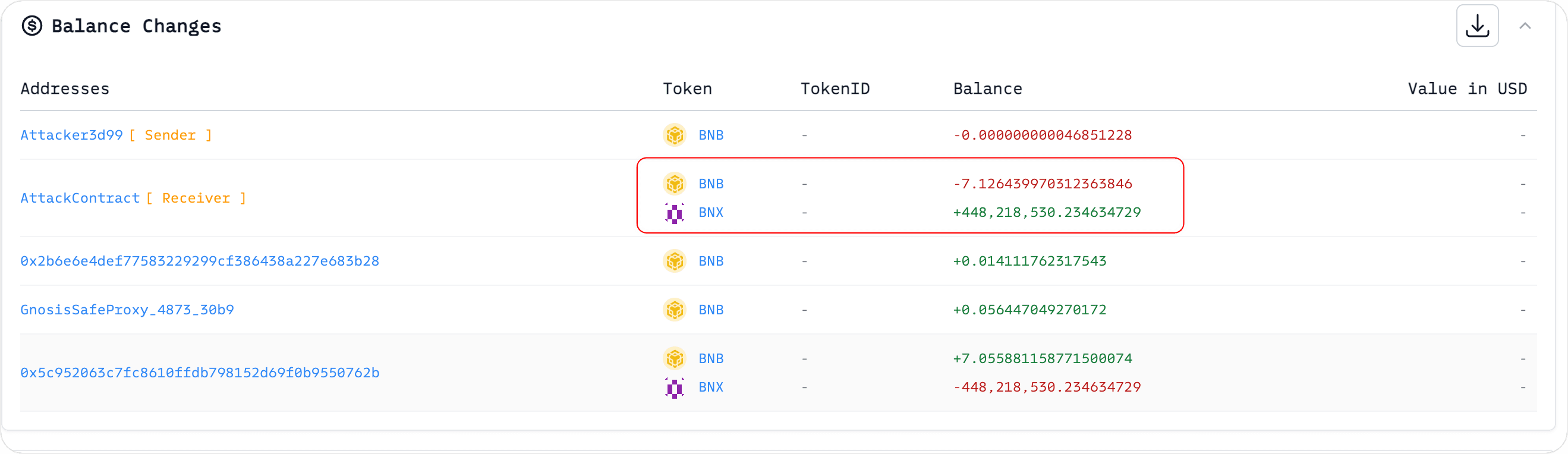
攻击者知道受害者打算购买 BNX,于是提前花费了 7.126439970312363846 BNB,预先获取了 448,218,530.234634729 BNX 代币。

TX2

https://app.blocksec.com/explorer/tx/bsc/0x4e055d7b3691e1a5d800f4a4d96e320ff3d6fdc4b6b6c8be1afa1c8bc522b378

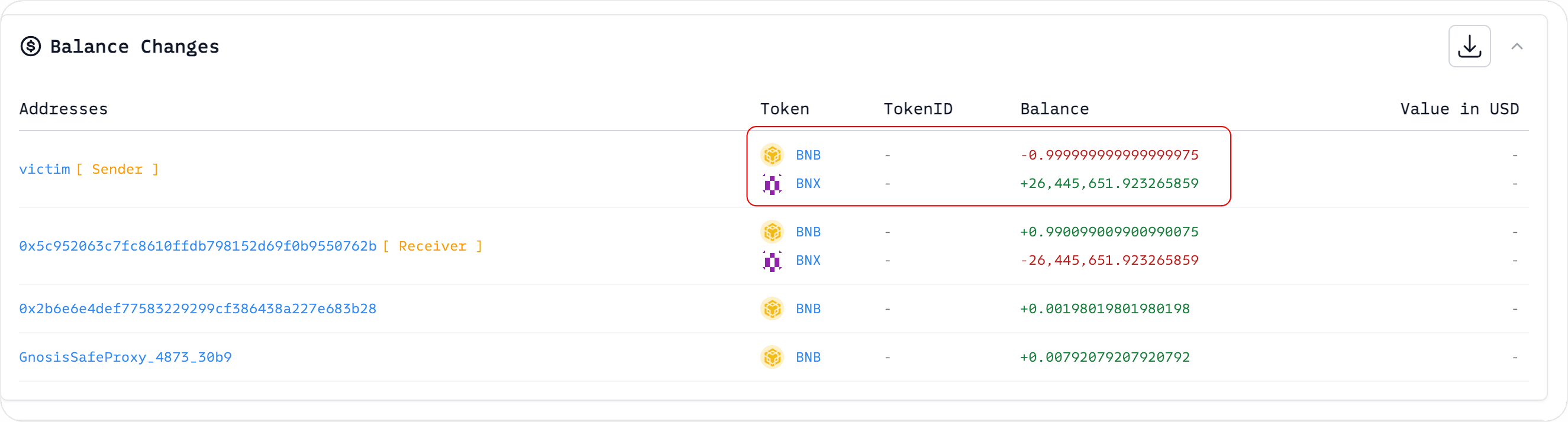
受害者花费了 1 BNB 购买了 26,445,651.923265859 BNX 代币。

TX3:

https://app.blocksec.com/explorer/tx/bsc/0x58c6c67904c594dc6a15f43f61dcb46f738733a982b8680e7c1b3397588e1991

由于受害者使用 BNB 的购买推高了 BNX 的价格,攻击者随后以更高的价格卖出了 BNX 以获取利润。通过这次三明治攻击,攻击者获得了 7.130040296271196866 BNB - 7.126439970312363846 BNB = 0.00360032595883302 BNB。

在这个场景中,受害者(钱包 0xf6d827d0a4ee02a424ec85a3bcb8dc7dc5ceb20b)支付了更高的价格购买 BNX,因为如果没有攻击者的第一笔交易,受害者本可以以更便宜的价格购买 BNX。

如何避免成为三明治攻击的受害者

为了避免三明治攻击,关键是防止攻击者在交易被上链之前就发现你的交易。一种有效的方法是通过私有中继或受保护的内存池提交交易,交易在最终确认之前保持隐藏。这使得恶意行为者更难进行前置交易和后置交易。

为了解决这个问题,BlockSec 推出了ANTI-MEV RPC。切换到 BlockSec 的 ANTI-MEV RPC 非常简单——只需将钱包的 RPC 地址更改为 https://bsc.rpc.blocksec.com

下面,我们将展示如何配置 MetaMask 使用 BlockSec 的 ANTI-MEV RPC;其他钱包也可能有类似的设置过程。

步骤 1: 点击左上角以显示网络。

步骤 2: 编辑网络

步骤 3: 点击添加 RPC URL

输入 https://bsc.rpc.blocksec.com 用于 BSC(或者 https://eth.rpc.blocksec.com 用于 Ethereum)。

确保默认的 RPC URL 是我们刚刚设置的。

总结

三明治攻击可能会让交易者支付更高的代币费用,尤其是在像 Four.meme 这样环境中。攻击者通过前置交易和迅速卖出获利,而受害者支付更高的价格。

通过切换到 BlockSec 的 anti-MEV RPC(https://bsc.rpc.blocksec.com),你可以将交易数据隐藏。这种方法降低了三明治攻击的风险,让你可以更安全地在 Four.meme 上交易。

Sign up for the latest updates
Weekly Web3 Security Incident Roundup | Feb 9 – Feb 15, 2026

Weekly Web3 Security Incident Roundup | Feb 9 – Feb 15, 2026

During the week of February 9 to February 15, 2026, three blockchain security incidents were reported with total losses of ~$657K. All incidents occurred on the BNB Smart Chain and involved flawed business logic in DeFi token contracts. The primary causes included an unchecked balance withdrawal from an intermediary contract that allowed donation-based inflation of a liquidity addition targeted by a sandwich attack, a post-swap deflationary clawback that returned sold tokens to the caller while draining pool reserves to create a repeatable price-manipulation primitive, and a token transfer override that burned tokens directly from a Uniswap V2 pair's balance and force-synced reserves within the same transaction to artificially inflate the token price.

Top 10 "Awesome" Security Incidents in 2025

Top 10 "Awesome" Security Incidents in 2025

To help the community learn from what happened, BlockSec selected ten incidents that stood out most this year. These cases were chosen not only for the scale of loss, but also for the distinct techniques involved, the unexpected twists in execution, and the new or underexplored attack surfaces they revealed.

#10 Panoptic Incident: XOR Linearity Breaks the Position Fingerprint Scheme

#10 Panoptic Incident: XOR Linearity Breaks the Position Fingerprint Scheme

On August 29, 2025, Panoptic disclosed a Cantina bounty finding and confirmed that, with support from Cantina and Seal911, it executed a rescue operation on August 25 to secure roughly $400K in funds. The issue stemmed from a flaw in Panoptic’s position fingerprint calculation algorithm, which could have enabled incorrect position identification and downstream fund risk.