2022年9月16日、一部の攻撃者がEthereumPoW(PoWチェーンとしても知られる)のPoSチェーンのメッセージ(つまり、calldata)をリプレイすることで、大量のETHWを正常に収穫できたことを検出しました。 エクスプロイトの根本原因は、PoWチェーン上のOmniブリッジが古いchainIdを使用しており、クロスチェーンメッセージの実際のchainIdを正しく検証していないことです。
直ちにEthereumPoWの公式チームに連絡しました。 チームは積極的に対応する意欲があり、Omni Bridgeとのコミュニケーションを試みることもしました。
しかし、多くの攻撃が観測されたため、リスクは一般に通知されるべきであると信じ、2022年9月18日にアラートを公開しました。
これらの攻撃について、メッセージではなくトランザクションをリプレイするという誤解が依然として存在します。このレポートでは、それを明確にするための詳細な分析を提供したいと思います。
攻撃分析
以下にエクスプロイトトランザクションの例を示します。
- PoS Tx on Ethereum: https://etherscan.io/tx/0xbddb0cc8bc9949321e1748f03503ed1a20dd618fbf0a51dc5734c975b1f8bdf5
- (Exploitation) PoW Tx on EthereumPow: https://www.oklink.com/en/ethw/tx/0x9c072551861ce384203516f4d705176a2d2e262d5b571d853467425f1a861fb4
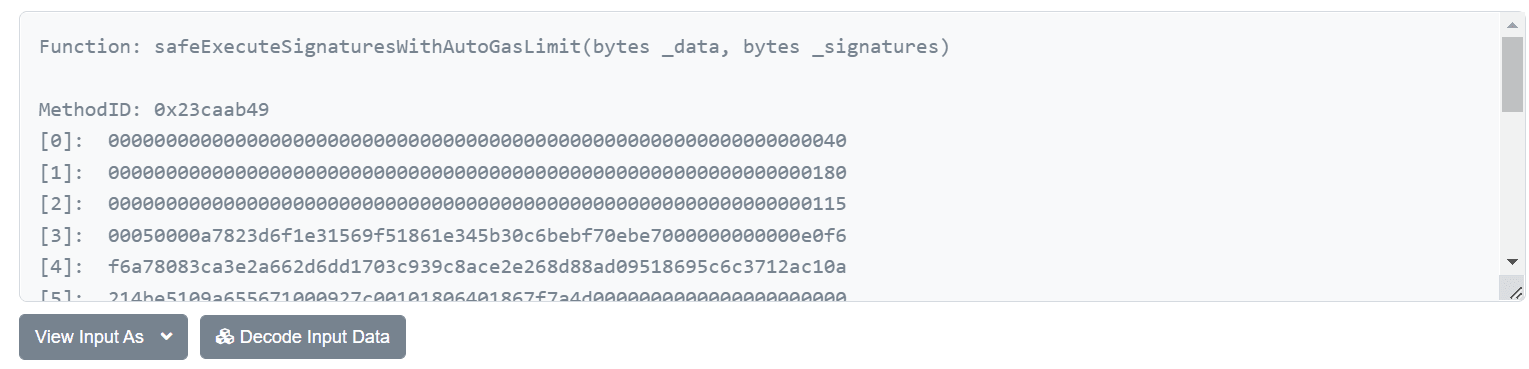
これらの2つのトランザクションは異なりますが、これらの2つのトランザクションのcalldata(または入力データ)はまったく同じです。
0x23caab4900000000000000000000000000000000000000000000000000000000000000400000000000000000000000000000000000000000000000000000000000000180000000000000000000000000000000000000000000000000000000000000011500050000a7823d6f1e31569f51861e345b30c6bebf70ebe7000000000000e0f6f6a78083ca3e2a662d6dd1703c939c8ace2e268d88ad09518695c6c3712ac10a214be5109a655671000927c00101806401867f7a4d000000000000000000000000c02aaa39b223fe8d0a0e5c4f27ead9083c756cc2000000000000000000000000a6439ca0fcba1d0f80df0be6a17220fed9c9038a0000000000000000000000000000000000000000000000ad78ebc5ac6200000000000000000000000000000000000000000000000000000000000000000080000000000000000000000000000000000000000000000000000000000000001482faed2da812d2e5cced3c12b3baeb1a522dc6770000000000000000000000000000000000000000000000000000000000000000000000000000000000000000000000000000000000105041c1b1c1c981df6cdaf073d55b78d7f0c7e2b421a569bff677a9464d1d5203672d7b5a3d6af658d14ebc11c26f2547fd0aed01750cca58753a0a79b297bad8a62a71eb6b7ac2099611604eff316e7fe733e9981c1b3890cb04ff9d43612e6f2687227f0226cfa27e4b6cd96a10865e04aa9e0f369dda7548771a094f69bf0a9fa6c27257e22d2b1bbb84beb52ad3966592037b328d352fce375a1fa75cb3fbfd18166f4177a19ad2cc74ce67da68f5ce17b857e6382c3ebf20f76482534135f426f4a74222daa07d9f401cb8baca4339ecd44e285df0e0cb88447a31d08b673cecc67d22c7e6e0ce5afd2ac9439c5a8b68f05077b850cdfdfb79cdaefc5b103bb693609440000000000000000000000000000000000000000000000000000これは、safeExecuteSignaturesWithAutoGasLimit関数の呼び出しの入力データにすぎません。
明らかに、攻撃者(0x82fae)は最初にGnosisチェーンのOmniブリッジを介して200 WETHを転送し、次に同じメッセージをPoWチェーンでリプレイして、追加の200 ETHWを取得しました。 これにより、PoWチェーン上のデプロイされたチェーンコントラクトの残高を枯渇させることができました。
脆弱性分析
Omniブリッジのソースコードを分析した後、chainIdを検証するロジックが存在することがわかりました。
    function _isDestinationChainIdValid(uint256 _chainId) internal returns (bool res) {
        return _chainId == sourceChainId();
}残念ながら、このコントラクトで使用される検証済みのchainIdは、unitStorageという名前のストレージに保存されている値から取得されます。
    /**
     * Internal function for retrieving chain id for the source network
     * @return chain id for the current network
     */
    function sourceChainId() public view returns (uint256) {
        return uintStorage[SOURCE_CHAIN_ID];
}これは、EIP-1344で提案されたCHAINID opcodeを介して取得される実際のchainIdではありません。 これは、コードがかなり古い(Solidity 0.4.24を使用している)ためである可能性があります。 コードは、PoWチェーンのフォークまで常に正常に機能していました。
要するに、エクスプロイトの根本原因は、ETHWチェーン上のOmniブリッジが古いchainIdを使用しており、クロスチェーンメッセージの実際のchainIdを正しく検証していないことです。 さらに、同様の問題が他のプロトコルにも存在する可能性があります。
影響
直接的な影響は、攻撃者が大量のETHW(およびPoWチェーン上のブリッジが所有する他のトークン)を収穫し、一部のマーケットプレイス(例:一部のCEX)で取引できたことです。 これにより、流動性の増加によりETHWの価格に影響が出る可能性があります。 したがって、ユーザー/投資家はPoWチェーンでのこれらのトークンの取引に注意する必要があります。
結論
Solidity開発者は、コントラクト自体によって保守されるように設計されたchainIdを扱う際には、特別な注意を払う必要があります。
BlockSecについて
BlockSecは、世界的に著名なセキュリティ専門家グループによって2021年に設立された、先駆的なブロックチェーンセキュリティ企業です。同社は、新興のWeb3の世界のセキュリティとユーザビリティの向上にコミットしており、その大規模な採用を促進しています。この目的のために、BlockSecはスマートコントラクトおよびEVMチェーンのセキュリティ監査サービス、セキュリティ開発と脅威のプロアクティブなブロックのためのPhalconプラットフォーム、資金追跡と調査のためのMetaSleuthプラットフォーム、そしてWeb3ビルダーが暗号世界を効率的にサーフィンするためのMetaDock拡張機能を提供しています。
現在までに、MetaMask、Uniswap Foundation、Compound、Forta、PancakeSwapなど300以上の著名なクライアントにサービスを提供し、Matrix Partners、Vitalbridge Capital、Fenbushi Capitalなどの著名な投資家から2回の資金調達で数千万米ドルを受け入れています。
公式ウェブサイト: https://blocksec.com/
公式Twitterアカウント: https://twitter.com/BlockSecTeam