2025年11月19日、米財務省OFACはRyan James Weddingを制裁対象に指定した。彼はカナダのオリンピック元スノーボード選手であり、その主要な関係者や事業も同時に制裁対象となった。この措置により、米国内にある彼らの資産はすべて凍結され、米国人が彼らと取引を行うことも禁止された。
その直後、米国務省は彼の逮捕情報に対する懸賞金を1500万ドルに引き上げた。メキシコ大使館は情報提供の方法に関するガイドを公開した。同時に、FBI、カナダ王立騎馬警察(RCMP)、そしてメキシコ警察は世界規模の合同捜索を開始した。この「オリンピアン・ドラッグロード」に対する作戦は、暗号資産、麻薬密売、そして連続殺人の間にある闇のつながりを明らかにしている。
高度なオンチェーン追跡と専門的な調査を用いて、BlockSecはWeddingがスポーツスターから悪名高い犯罪組織のボスへと変貌していく過程を丹念に追跡した。私たちの分析は、彼がブロックチェーン技術を活用してどのように違法な資金洗浄のための「隠された」ネットワークを構築したのかを詳細に説明し、Ryan Wedding crypto crime networkに焦点を当てている。
オリンピックスターから「最重要指名手配犯」へ

1976年にオンタリオ州サンダーベイで生まれたRyan James Weddingは、かつて冬季スポーツにおける有望なスターだった。優れた技術と安定したパフォーマンスにより、カナダ代表チームに選ばれ、2002年ソルトレイクシティ冬季オリンピックの男子パラレル大回転で自国を代表した。当時、彼はカナダの冬季スポーツを象徴する存在だった。彼は注目を浴びることを好んだが、その注目は同時に、手っ早く成功を得たいという危険な欲望を煽ることにもなった。
オリンピック後、Weddingの人生は大きく方向転換した。彼はチームに残る誘いを断り、スキー選手としての経歴を捨て、代わりに危険なビジネスの世界に足を踏み入れた。その後、彼は国際的な麻薬密売業者と結びついていった。**2008年、彼はコカイン密輸の罪でカリフォルニアで逮捕され、2010年に懲役4年の判決を受けた。**しかし、服役は彼を改心させることはなかった。むしろそれは彼の犯罪人生の出発点となり、そこで出会った他の犯罪者たちが、後に彼の麻薬ネットワーク構築を助けることになった。釈放後、彼は「オリンピック選手」という仮面を完全に脱ぎ捨て、スペイン語で「ボス」を意味する「エル・ヘフェ」というあだ名を名乗るようになった。彼はRyan Wedding Drug Trafficking Organizationを結成し、当局は現在これを主要な犯罪組織として位置づけている。
**Weddingの組織は、暴力的かつ高度に組織化されていることで知られている。**彼らは、2024年に米国がテロ組織と指定したメキシコのシナロア・カルテルと密接に協力している。両者は、コロンビアの生産地からメキシコを経由して米国とカナダへコカインを運んでいる。彼らは年間約60トンの麻薬を密売し、年間10億ドル以上の利益を生み出している。この違法ビジネスは、カナダの国家安全保障に対する重大な脅威となっている。
Weddingは、このネットワークを守るために殺傷力のある手段を用いる。2023年11月、彼は麻薬の荷を盗まれたことを理由に、オンタリオ州の一家への襲撃を命じた。この残忍な襲撃により両親2人が死亡し、1人が重傷を負った。2024年4月から5月の間、彼のギャングは麻薬の借金を返さない者を懲罰するため、さらに2件の殺人を犯した。2025年1月、彼は自分の足跡を消そうとして、コロンビアで連邦証人Acevedo Garciaの殺害を命じた。被害者はレストランで5発の銃撃を受け、即死した。Weddingの弁護士はこの犯罪の計画を手助けし、告訴を消滅させるために証人を殺害することを提案したとされている。
2025年3月、WeddingはFBIのテン・モスト・ウォンテッド指名手配犯リストに正式に追加され、逃亡犯Alexis Floresに代わってその座に入った。インターポールも彼の逮捕に関する赤手配書を発行した。現在、彼は「エル・ヘネラル」と呼ばれるカルテル高官の庇護のもと、メキシコに潜伏していると考えられている。Weddingは暗号化されたメッセージアプリを使って犯罪ネットワークを遠隔操作し、VRG EnergéticosやGrupo RVG Combustiblesのようなメキシコ企業を合法的な表向きの事業として利用し、犯罪活動を隠蔽している。
Ryan Wedding crypto crime networkの資金洗浄プロセスを解明する
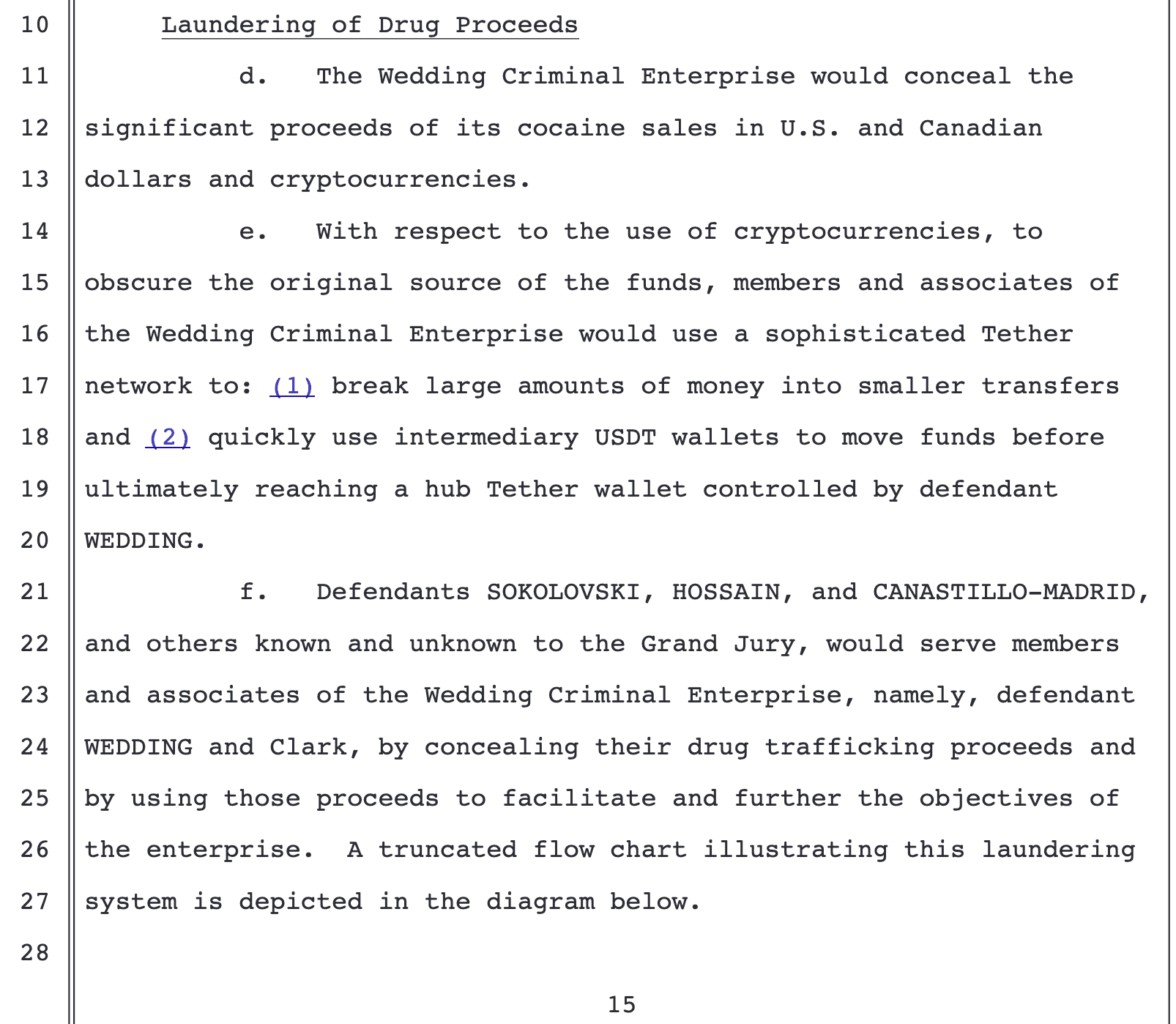
起訴状によると、Wedding犯罪組織は米ドル、カナダドル、そして暗号資産を用いて麻薬による利益を洗浄している。彼らの暗号資産については、取引の痕跡を不明瞭にするための特有の手法が用いられている。彼らは大口の資金を多数の小口送金に分割し、これらの資金を中間のUSDTウォレットを通じて迅速に移動させる。最終的に、すべての資金はWeddingが直接管理する中央のTetherウォレットに到達する。この巧妙な手法は、Ryan Wedding crypto crime networkの特徴の一つである。
複数の主要人物がこの資金洗浄業務を担っている。主な実行者はSokolovski、Hossain、そしてCanastillo-Madridである。彼らは、大陪審に既知の者もいれば未知の者もいる、その他の人物とともに活動している。彼らは全員、「Wedding Criminal Organization」の構成員として機能している。
麻薬収益の資金洗浄:暗号資産の流れ
正式な起訴状には、Ryan Wedding crypto crime networkが違法な利益を洗浄するために取った複雑な手順の詳細が記されている:
- 隠蔽: Wedding Criminal Enterpriseは、コカイン販売による膨大な収益を米ドル、カナダドル、そして暗号資産の形で隠蔽していた。
- 巧妙なTetherネットワーク: 暗号資産の利用に関して、資金の元の出所を不明瞭にするため、Wedding Criminal Enterpriseの構成員および関係者は巧妙なTetherネットワークを利用していた。具体的には、(1) 大口の資金を小口送金に分割し、(2) 中間のUSDTウォレットを迅速に用いて資金を移動させ、最終的に被告WEDDINGが管理するハブとなるTetherウォレットに到達させていた。
- 主要な実行者: 被告SOKOLOVSKI、HOSSAIN、そしてCANASTILLO-MADRIDは、大陪審に既知の者もいれば未知の者もいる他の人物とともに、Wedding Criminal Enterpriseの構成員および関係者、すなわち被告WEDDINGおよびClarkとして活動し、自らの麻薬密売収益を隠蔽し、その収益を用いて組織の目的を促進・拡大させていた。この資金洗浄システムを示す簡略化されたフローチャートを下図に示す。
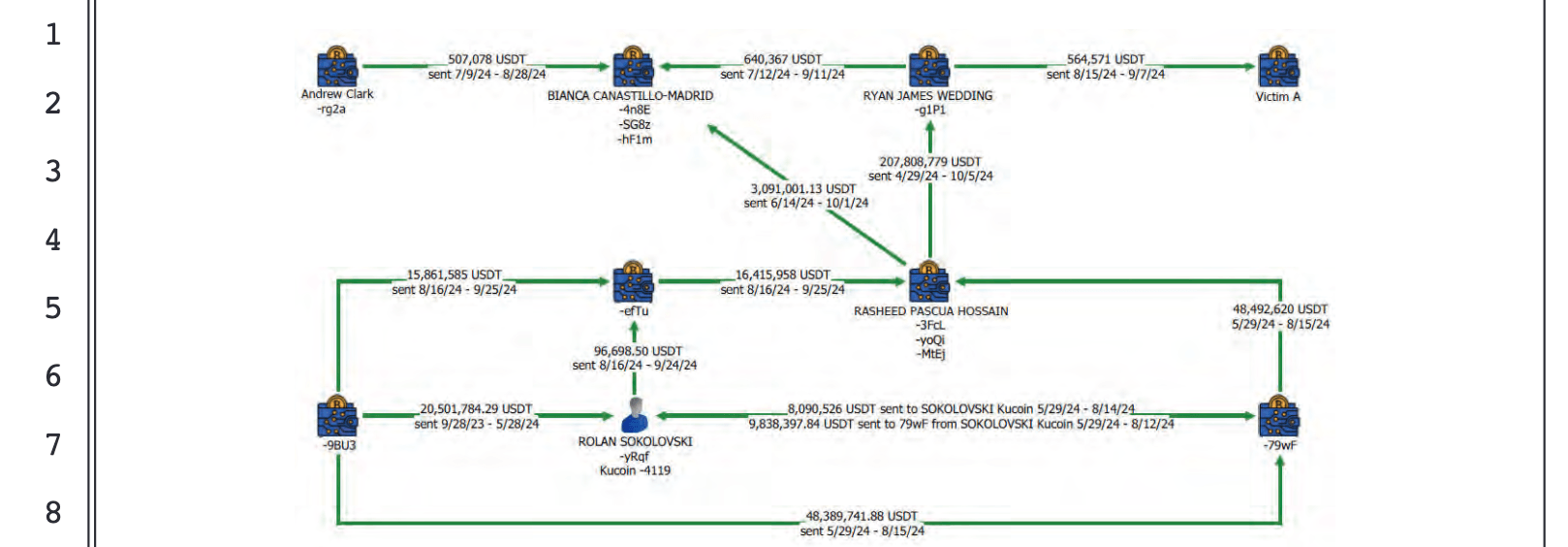
以下の本文では、起訴状に記載された資金洗浄プロセスの具体的な詳細について説明する。
麻薬収益の資金洗浄:公然たる行為(Overt Acts)
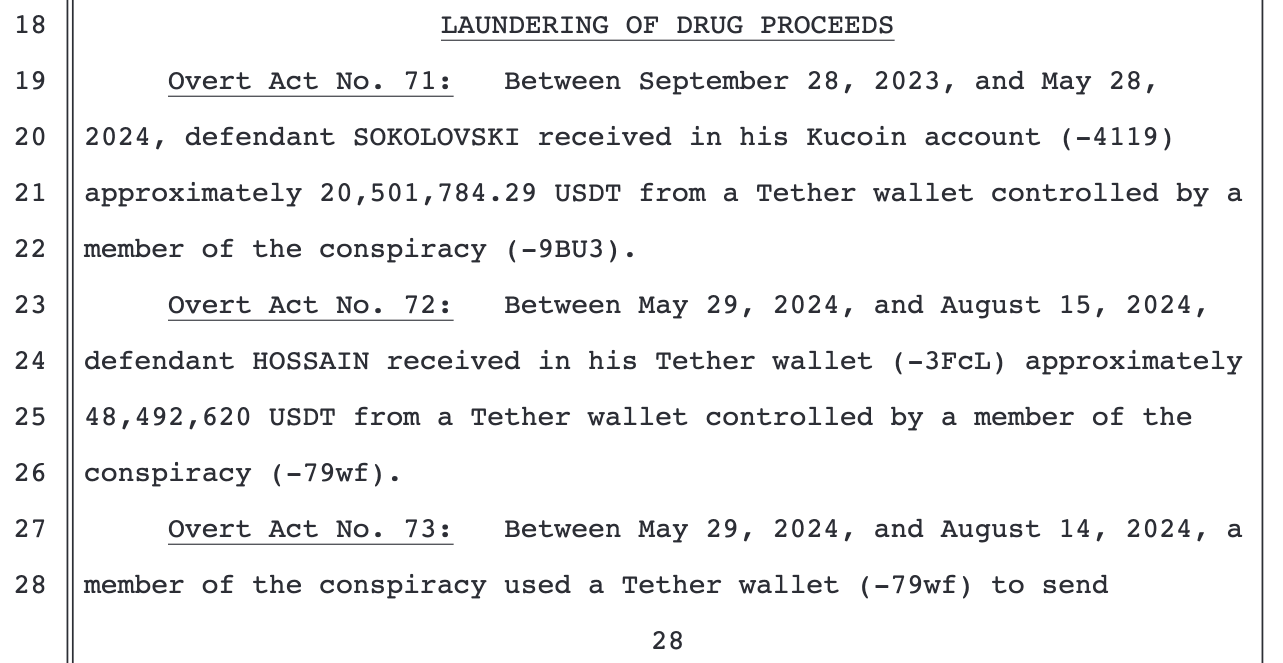
- 公然たる行為 第71号: 2023年9月28日から2024年5月28日の間、被告SOKOLOVSKIは自身のKucoinアカウント(-4119)において、共謀者の一人が管理するTetherウォレット(-9BU3)から約20,501,784.29 USDTを受け取った。
- 公然たる行為 第72号: 2024年5月29日から2024年8月15日の間、被告HOSSAINは自身のTetherウォレット(-3FcL)において、共謀者の一人が管理するTetherウォレット(-79wf)から約48,492,620 USDTを受け取った。
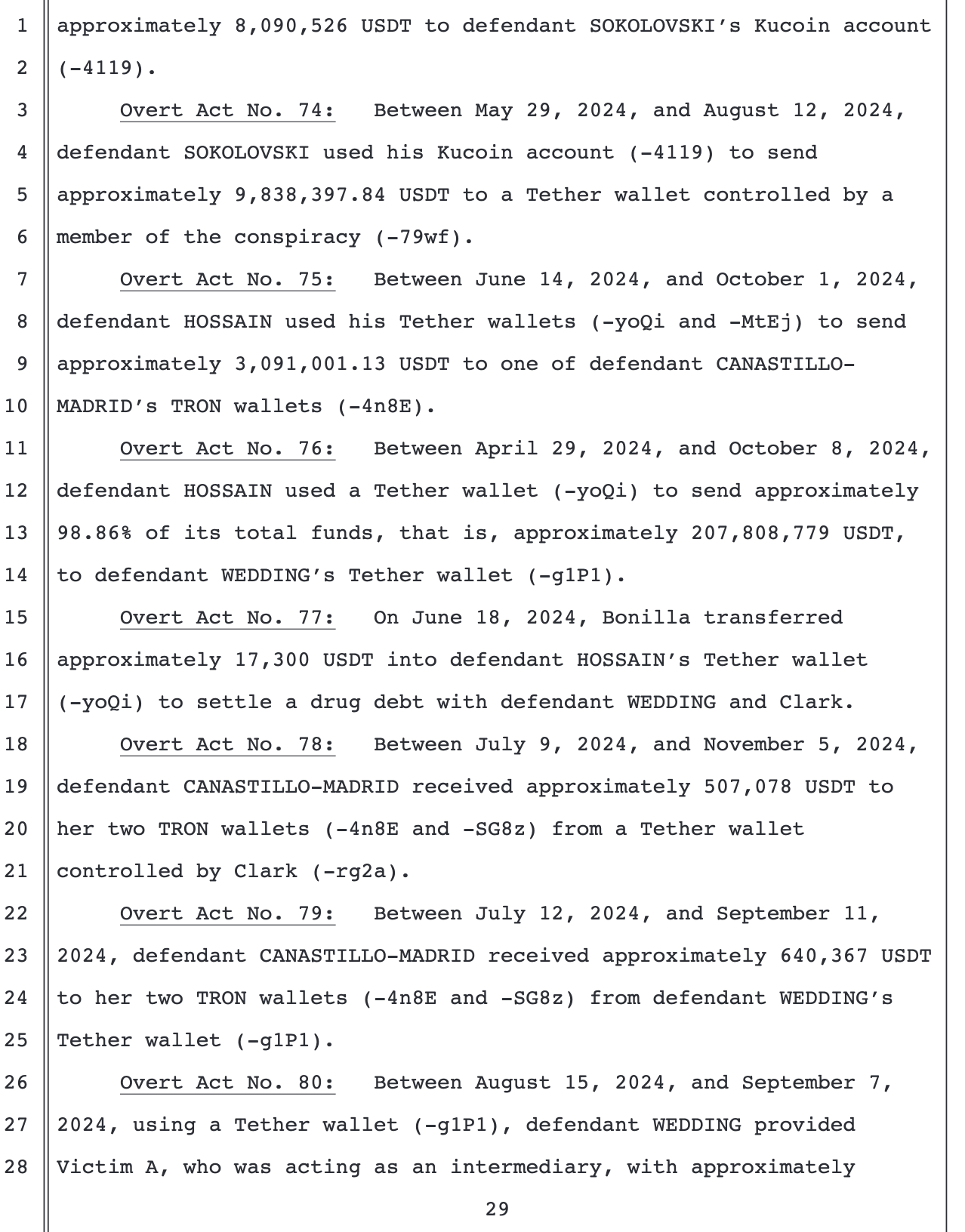
- 公然たる行為 第73号: 2024年5月29日から2024年8月14日の間、共謀者の一人がTetherウォレット(-79wf)を用いて、被告SOKOLOVSKIのKucoinアカウント(-4119)に約8,090,526 USDTを送金した。
- 公然たる行為 第74号: 2024年5月29日から2024年8月12日の間、被告SOKOLOVSKIは自身のKucoinアカウント(-4119)を用いて、共謀者の一人が管理するTetherウォレット(-79wf)に約9,838,397.84 USDTを送金した。
- 公然たる行為 第75号: 2024年6月14日から2024年10月1日の間、被告HOSSAINは自身のTetherウォレット(-yoQiおよび-MtEj)を用いて、被告CANASTILLO-MADRIDのTRONウォレットの一つ(-4n8E)に約3,091,001.13 USDTを送金した。
- 公然たる行為 第76号: 2024年4月29日から2024年10月8日の間、被告HOSSAINはTetherウォレット(-yoQi)を用いて、その総資金の約98.86%、すなわち約207,808,779 USDTを、被告WEDDINGのTetherウォレット(-glPl)に送金した。
- 公然たる行為 第77号: 2024年6月18日、Bonillaは被告WEDDINGおよびClarkに対する麻薬の借金を清算するため、被告HOSSAINのTetherウォレット(-yoQi)に約17,300 USDTを送金した。
- 公然たる行為 第78号: 2024年7月9日から2024年11月5日の間、被告CANASTILLO-MADRIDは、Clarkが管理するTetherウォレット(-rg2a)から、自身の2つのTRONウォレット(-4n8Eおよび-SG8z)に約507,078 USDTを受け取った。
- 公然たる行為 第79号: 2024年7月12日から2024年9月11日の間、被告CANASTILLO-MADRIDは、被告WEDDINGのTetherウォレット(-g1P1)から、自身の2つのTRONウォレット(-4n8Eおよび-SG8z)に約640,367 USDTを受け取った。
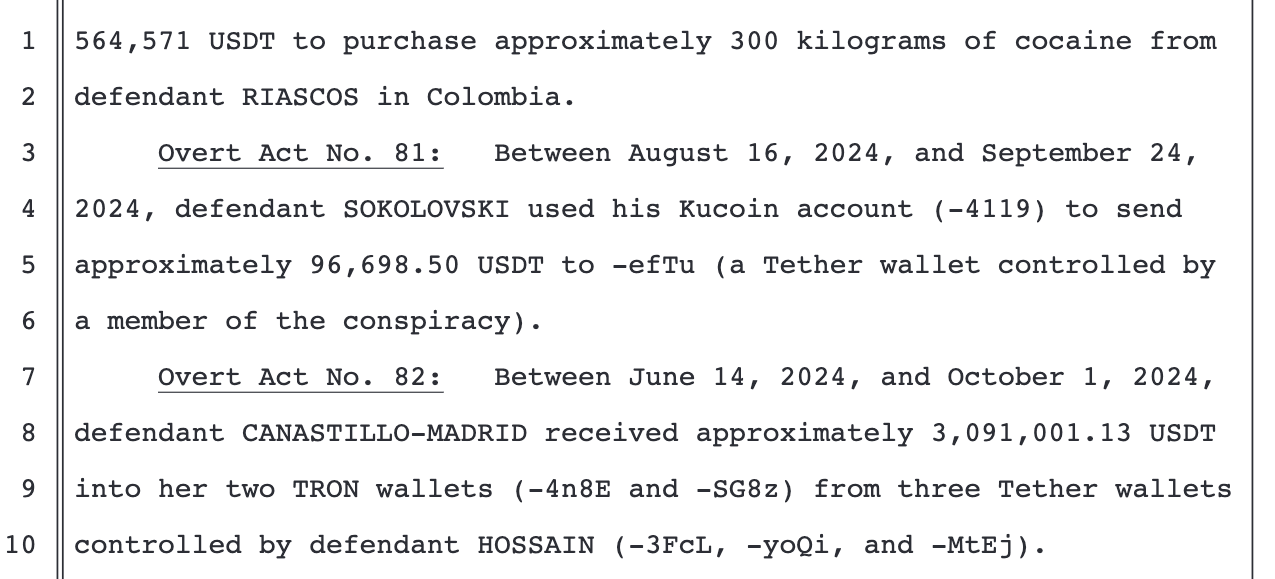
- 公然たる行為 第80号: 2024年8月15日から2024年9月7日の間、Tetherウォレット(-glPl)を用いて、被告WEDDINGは仲介者として活動していた被害者Aに対し、コロンビアの被告RIASCOSから約300キログラムのコカインを購入するための約564,571 USDTを提供した。
- 公然たる行為 第81号: 2024年8月16日から2024年9月24日の間、被告SOKOLOVSKIは自身のKucoinアカウント(-4119)を用いて、-efTu(共謀者の一人が管理するTetherウォレット)に約96,698.50 USDTを送金した。
- 公然たる行為 第82号: 2024年6月14日から2024年10月1日の間、被告CANASTILLO-MADRIDは、被告HOSSAINが管理する3つのTetherウォレット(-3FcL、-yoQi、-MtEj)から、自身の2つのTRONウォレット(-4n8Eおよび-SG8z)に約3,091,001.13 USDTを受け取った。
BlockSecのオンチェーン分析能力を活用し、この資金洗浄プロセスを下図に可視化した。
私たちはこれらのアドレスに対する直接的な入金と出金を丹念に分析し、資金の出所と行き先を把握できるようにした。10万ドルを超える送金に注目し、以下に示す包括的な関係図を構築した。
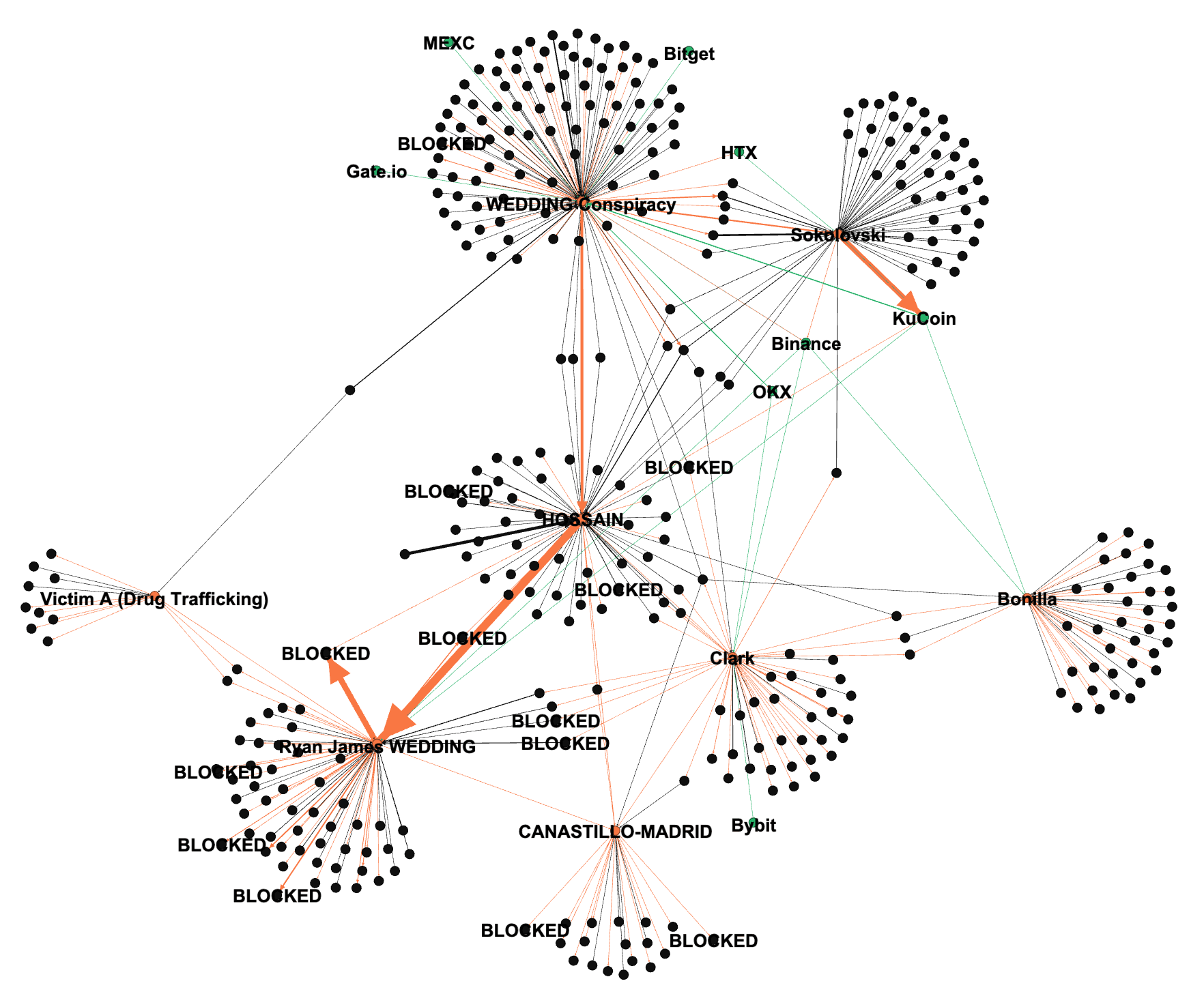
暗号資産犯罪ネットワークにおける主要な資金拠点と役割
私たちの関係図は、HossainとSokolovskiが違法資金の2つの主要な集積拠点として機能していることを明確に示している。これらの拠点に流入する資金の大部分は、Wedding Conspiracyとラベル付けされた一群のアドレスを出所としている。このグループは、資金洗浄と麻薬取引の初期段階を管理しているようで、当初の資金を処理した後、「洗浄済み」の資金を連鎖の次のノードへ転送していると見られる。
その後、資金はこれらの拠点から2つの異なる方向に移動する:
- Sokolovskiに送られた資金の大部分は、最終的にKuCoinへ流れる。これは、彼の主な役割が、中央集権型取引所を利用して資金洗浄プロセスを完了させ、暗号資産をフィアット(法定通貨)に変換することであることを示している。
- Hossainに送られた資金は、主にRyan James Weddingが直接管理するアドレスへ移動する。そこから、資金は特定のアドレスTK7c41TjffeDvofXfnNnKt5zn3F1w33BkF(SUSPECT-33BkF)へ送られた。このアドレスは、その後Tetherによってブロックされている。
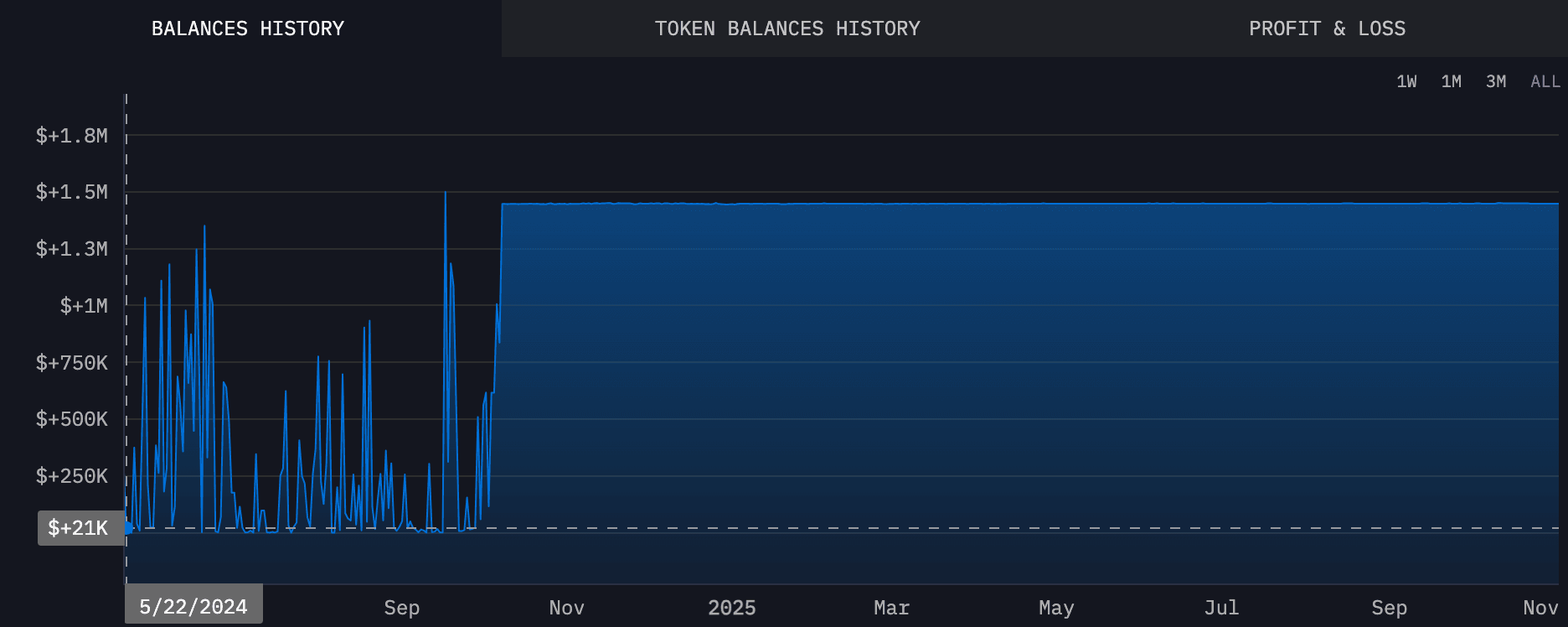
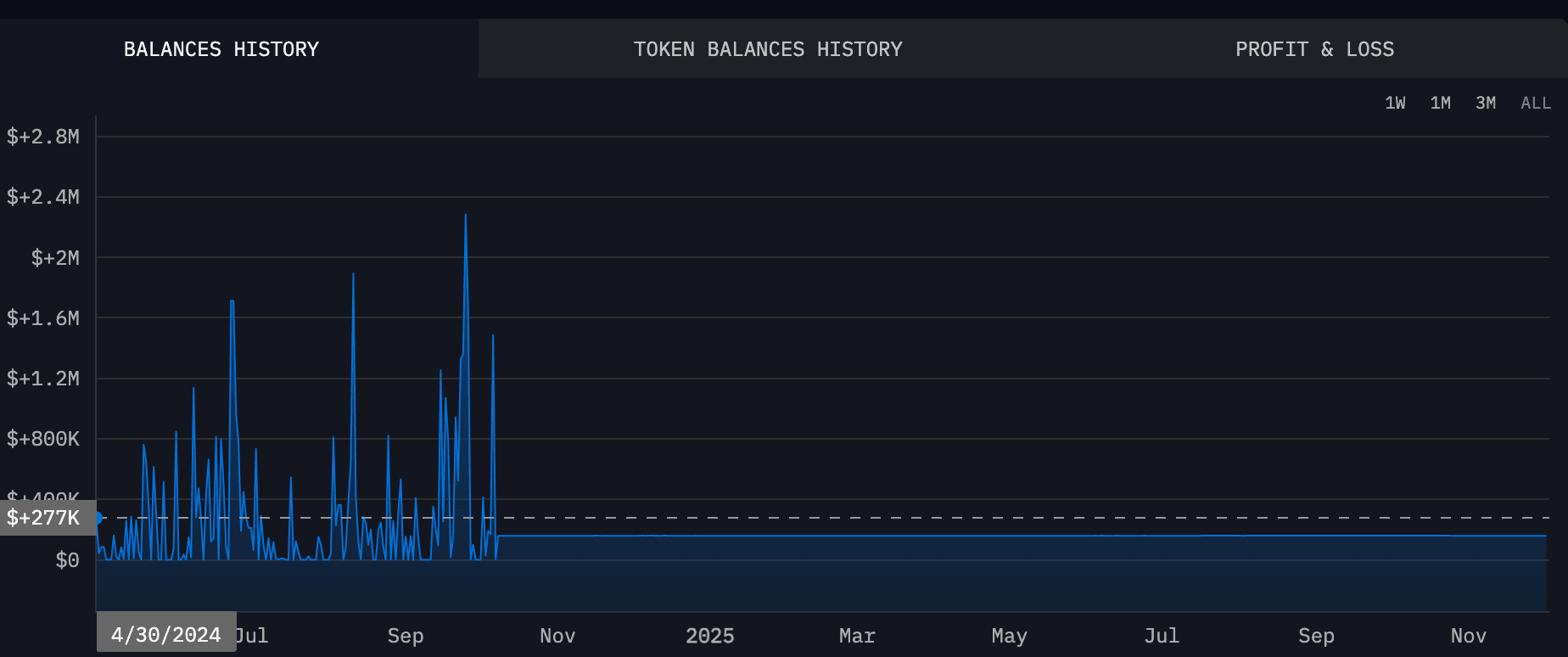
オンチェーン分析により、SUSPECT-33BkFとWEDDING-g1P1がほぼ同一の期間にわたって活動していたことが明らかになった。これに基づけば、WeddingがSUSPECT-33BkFを、Ryan Wedding crypto crime network内での資金洗浄活動を継続するための予備または拡張アドレスとして利用していたと結論づけるのが合理的である。
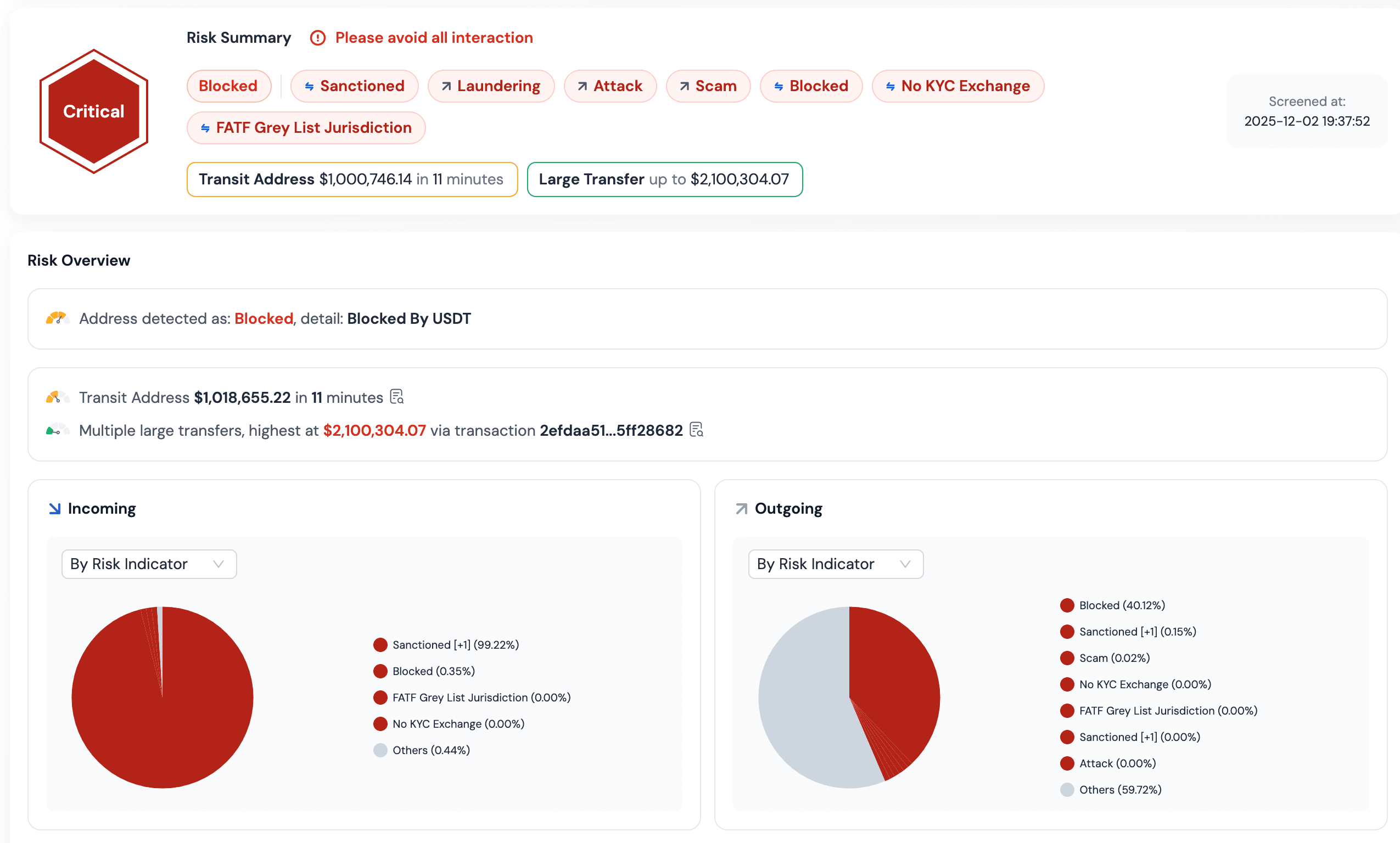
**Phalcon Compliance**プラットフォームを用いてSUSPECT-33BkFをさらに分析すると、より重要な詳細が明らかになる:
- 受け取った資金の約**99.22%**が、いずれも本件でWeddingに関連付けられている、制裁対象または要注意フラグの付いたアドレスから出所していた。
- 送り出した資金のほぼ**40%が、現在Tether**によってブロックされているアドレスに送られていた。
これらの資金の出所と行き先の双方が、高リスクなグループと強く結びついている。これにより、このアドレスがRyan Wedding crypto crime networkの資金洗浄チェーンにおいて中心的な役割を果たしていることが確認される。
結論:デジタル時代における暗号資産犯罪への対抗
Ryan Weddingの事件は孤立した出来事ではない。BlockSecの調査によると、プライバシーコインが関与する国際犯罪は2024年に187%増加した。犯罪組織は、暗号資産の利用においてますます専門化し、グローバル化している。この事件は、規制における重大な抜け穴を浮き彫りにし、法執行機関やブロックチェーンセキュリティ企業にとって貴重な洞察を提供している。
一般ユーザーにとっては、暗号資産の世界において「匿名」であることが「安全」であるという誤解を避けることが重要である。この事件は、専門家が今なお取引を追跡できることを明確に証明している。ユーザーが不注意に犯罪関連アドレスと関わってしまった場合、資産が凍結されるリスクを負うことになる。規制対象の取引所を利用し、本人確認を必要としないプラットフォームを避けることが最善の実践である。BlockSecが提供するようなセキュリティツールを用いて、ウォレットのリスクを定期的に確認することも賢明な行動である。
法執行機関や業界にとっては、協調した行動が不可欠である。BlockSecの取り組みは、ブロックチェーン技術が犯罪者に利用される一方で、犯罪と戦うための強力な手段でもあることを示している。アドレスをグルーピングし、クロスチェーンでの資金移動を追跡することで、私たちは犯罪活動を効果的に暴くことができる。将来的には、各国はデータ共有を強化し、取引所に対してリアルタイムでの取引監視を義務付ける必要がある。この積極的なアプローチは、Ryan Wedding crypto crime networkのような巧妙な組織を解体しつつ、違法資金をその源流で阻止することにつながる。
MetaSleuthは、資金追跡とフォレンジック分析のための強力なプラットフォームである。これは、セキュリティチームや法執行機関が複雑な取引の流れを可視化し、不審な活動を特定し、暗号資産の本当の出所と行き先を明らかにするのに役立つ。MetaSleuthを使えば、ブロックチェーンデータの複雑な網目を容易かつ正確にナビゲートできる。
Ryan Weddingの没落は悲劇的な物語であり、オリンピックのスターから制裁リストに載る名前へと転落していく過程を示している。彼の物語は、技術そのものは中立であっても、その使い方は善に向けて導かれなければならないことを私たちに思い出させる。BlockSecは、より優れた追跡モデルを構築し続け、最先端のブロックチェーンセキュリティソリューションを提供することで、ユーザーを守り、法執行機関を支援していく。私たちの最終的な目標は、安全で、合法的で、信頼できる暗号資産の世界である。
現在、Ryan James Weddingはまだメキシコに潜伏している。米国務省は、彼の逮捕情報に対する懸賞金を1500万ドルに引き上げており、そのうち1000万ドルは麻薬懸賞金プログラムから、500万ドルはFBIから提供されている。メキシコ大使館は、情報提供の方法に関するガイドまで公開している。彼の居場所、電話番号、または関係者に関する情報を持つ人は、以下の窓口を通じて懸賞金を申請できる:
- FBI:「テン・モスト・ウォンテッド」のページ www.fbi.gov/wanted/topten にアクセスして情報を提供する。
- Fiscalía General de la República (FGR):Fiscalía General de la República (FGR)の暗号化プラットフォームを利用する。
- インターポール:地域のインターポール事務所に連絡し、合同対策本部に詳細を共有する。
FBIは、すべての情報提供が非公開で扱われることを保証している。あなたは、自分の身元を一切明かすことなく懸賞金を申請することができる。