Back to Blog

人身売買による不正資金の追跡

Phalcon Compliance
September 1, 2025
4 min read

グローバルな戦いのためのグローバルステージ

8月27日から28日にかけて、BlockSecはニューオーリンズで開催された2025年仮想資産技術交流会に招待されました。最初の基調講演者として、私たちは法執行機関、業界リーダー、学術専門家からなるグローバルな聴衆に最前線の研究を発表し、暗号資産を利用した犯罪との戦いに関する重要なインテリジェンスを共有しました。

NCIJTFとFBIが共同開催したこのサミットは、米国を代表するサイバー犯罪協力フォーラムであり、国際協力を推進し、仮想資産の悪用による新たなリスクに対処しています。

基調講演スポットライト:「保証プラットフォーム」エコシステムの暴露

BlockSec共同設立者であり教授であるYajin Zhouは、「TG暗号保証エコシステムに関する初期調査」という演題で基調講演を行いました。彼の発表は、東南アジアでの人身売買を可能にする暗号資産の金融インフラの闇に深く迫りました。

私たちの調査は、不気味なほど企業のようなシステムを明らかにしました。

  • 構造: カンボジアやミャンマーなどの地域にある65以上の産業規模の詐欺コンパウンドが、恐るべき効率で運営されています。

  • メカニズム: 人身売買業者は、USDTベースの「保証プラットフォーム」をエスクローサービスとして利用し、人命を取引しています。これらのプラットフォームは、わずか6ヶ月で190万ドルのような取引を処理し、被害者一人あたり10〜15%の手数料を請求しています。

  • 人的コスト: 私たちのシステムは、1日に10人以上の被害者が売買されている日を記録しており、この戦いの緊急性を痛感させられます。

私たちのテクノロジー:自動化されたインテリジェンスから実行可能な洞察へ

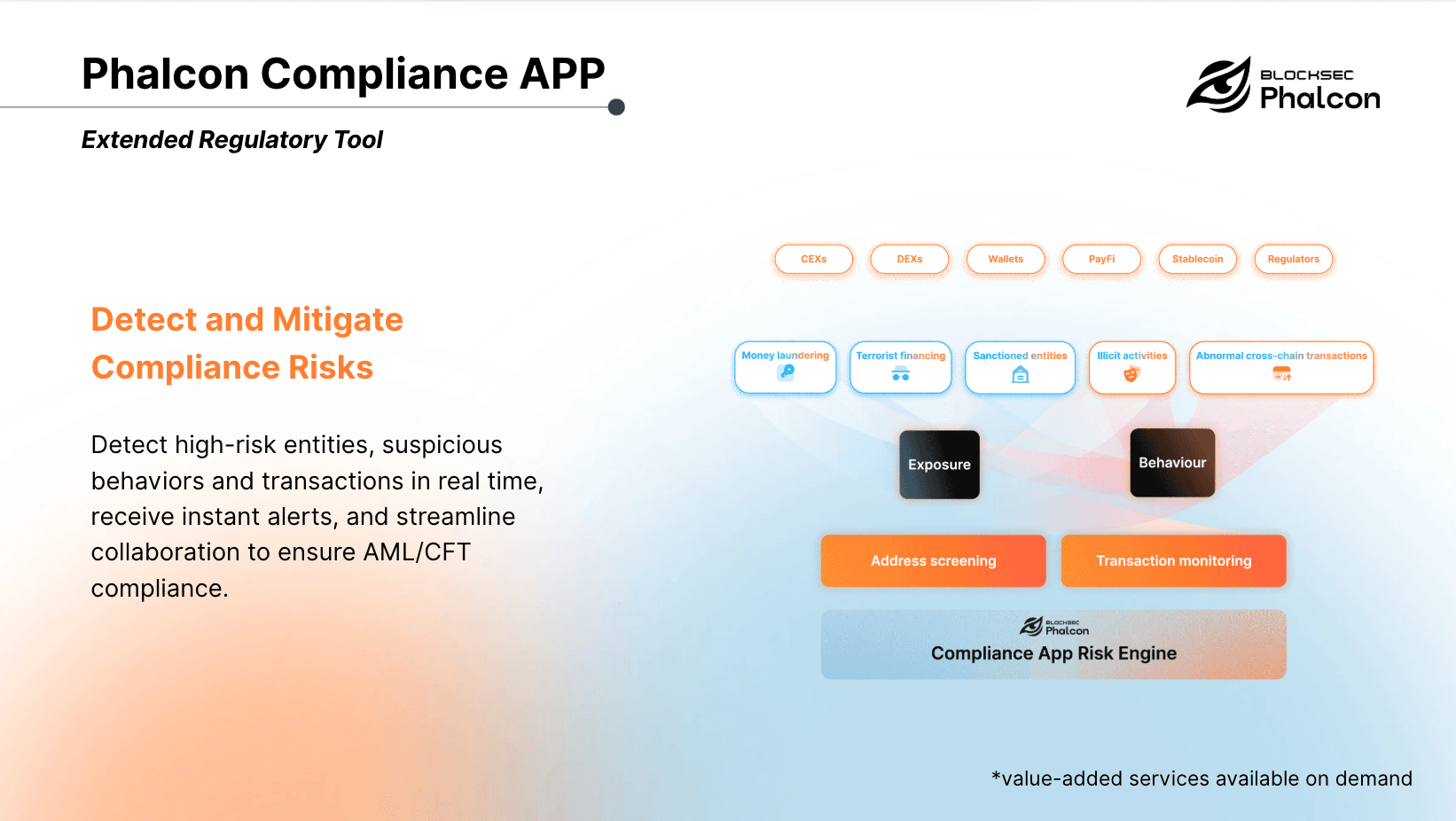
ブロックチェーンの速度で移動する敵にどう立ち向かえるでしょうか?Zhou教授は、Phalcon ComplianceスイートのエンジンであるBlockSec独自の4段階インテリジェンスシステムを詳細に説明しました。

  1. 自動化されたデータ収集: リスクの高いオンラインコミュニティからインテリジェンスを積極的に収集します。

  2. LLMベースの分析: 大規模言語モデルを使用して、非構造化データを解釈し、犯罪パターンを特定します。

  3. ブロックチェーンデータベースマッチング: オフチェーンインテリジェンスを、私たちの膨大なオンチェーンアドレスデータベースと照合します。

  4. ディープファンドトレーシング: 複数のホップとチェーンにわたる不正資金の流れを視覚化し、追跡します。

私たちのチームによって開発されたこの強力で再現可能なモデルは、法執行機関や仮想資産サービスプロバイダー(VASP)に、受動的な分析から能動的な防御へと移行するためのツールを提供します。
グローバルな課題には協力的な対応が必要

FBIサミットでの熱狂的な歓迎は、重要な信念を強化しました。Web3セキュリティは地域的な問題ではなく、統一された前線が必要なグローバルな問題です。

IEEE S&PやUSENIX Securityなどの主要なセキュリティカンファレンスで10,000件以上の学術引用に裏付けられた私たちの研究からの洞察は、専門知識には国境がないことを示しています。私たちは、このグローバルな取り組みに独自のインテリジェンスと技術的能力を提供できることを誇りに思っています。

汚染された資金からプラットフォームを保護する

FBIに招待されたことは、光栄であると同時に責任でもあります。BlockSecは、最先端の研究と現実世界のコンプライアンスニーズとのギャップを埋めることで、より安全なWeb3エコシステムの構築にコミットしています。

人身売買組織や詐欺コンパウンドからの不正資金は、あなたのプラットフォームを静かに汚染し、リスクにさらす可能性があります。危機を待たないでください。

🔗 Phalcon Complianceが、リアルタイムのAI駆動型トランザクション監視でプラットフォームをどのように保護できるかをご覧ください。 今すぐデモを予約
Sign up for the latest updates
The Decentralization Dilemma: Cascading Risk and Emergency Power in the KelpDAO Crisis
Security Insights

The Decentralization Dilemma: Cascading Risk and Emergency Power in the KelpDAO Crisis

This BlockSec deep-dive analyzes the KelpDAO $290M rsETH cross-chain bridge exploit (April 18, 2026), attributed to the Lazarus Group, tracing a causal chain across three layers: how a single-point DVN dependency enabled the attack, how DeFi composability cascaded the damage through Aave V3 lending markets to freeze WETH liquidity exceeding $6.7B across Ethereum, Arbitrum, Base, Mantle, and Linea, and how the crisis forced decentralized governance to exercise centralized emergency powers. The article examines three parameters that shaped the cascade's severity (LTV, pool depth, and cross-chain deployment count) and provides an exclusive technical breakdown of Arbitrum Security Council's forced state transition, an atomic contract upgrade that moved 30,766 ETH without the holder's signature.

Weekly Web3 Security Incident Roundup | Apr 13 – Apr 19, 2026
Security Insights

Weekly Web3 Security Incident Roundup | Apr 13 – Apr 19, 2026

This BlockSec weekly security report covers four attack incidents detected between April 13 and April 19, 2026, across multiple chains such as Ethereum, Unichain, Arbitrum, and NEAR, with total estimated losses of approximately $310M. The highlighted incident is the $290M KelpDAO rsETH bridge exploit, where an attacker poisoned the RPC infrastructure of the sole LayerZero DVN to fabricate a cross-chain message, triggering a cascading WETH freeze across five chains and an Arbitrum Security Council forced state transition that raises questions about the actual trust boundaries of decentralized systems. Other incidents include a $242K MMR proof forgery on Hyperbridge, a $1.5M signed integer abuse on Dango, and an $18.4M circular swap path exploit on Rhea Finance's Burrowland protocol.

Weekly Web3 Security Incident Roundup | Apr 6 – Apr 12, 2026
Security Insights

Weekly Web3 Security Incident Roundup | Apr 6 – Apr 12, 2026

This BlockSec weekly security report covers four DeFi attack incidents detected between April 6 and April 12, 2026, across Linea, BNB Chain, Arbitrum, Optimism, Avalanche, and Base, with total estimated losses of approximately $928.6K. Notable incidents include a $517K approval-related exploit where a user mistakenly approved a permissionless SquidMulticall contract enabling arbitrary external calls, a $193K business logic flaw in the HB token's reward-settlement logic that allowed direct AMM reserve manipulation, a $165.6K exploit in Denaria's perpetual DEX caused by a rounding asymmetry compounded with an unsafe cast, and a $53K access control issue in XBITVault caused by an initialization-dependent check that failed open. The report provides detailed vulnerability analysis and attack transaction breakdowns for each incident.

Start Real-Time AML with Phalcon Compliance

Turn Phalcon Network alerts into actions with Phalcon Compliance. Use verified blockchain intelligence to screen wallets, monitor transactions and investigate risks. This helps you respond quickly and stay compliant in the digital assets ecosystem.

Phalcon Compliance