Kürzlich hat der australische Minister für Inneres, Tony Burke, offiziell neue Vorschriften für Krypto-Geldautomaten angekündigt und diese als „Hochrisikoprodukte“ eingestuft, die mit Geldwäsche, Betrug und Kindesausbeutung in Verbindung stehen.
Laut Burke ist die Anzahl der Krypto-Geldautomaten in Australien von nur 23 auf über 2.000 in sechs Jahren angestiegen. Eine Untersuchung von AUSTRAC ergab, dass 85 % der Großtransaktionen, die über diese Terminals abgewickelt wurden, mit Betrug oder illegalen Aktivitäten in Verbindung standen.
Der vorgeschlagene Gesetzentwurf würde AUSTRAC befähigen, Hochrisikoprodukte einzuschränken oder zu verbieten, wobei Krypto-Geldautomaten ausdrücklich eingeschlossen sind. Burke bestätigte, dass der Gesetzentwurf in den kommenden Monaten dem Parlament vorgelegt wird.
 Zugleich veröffentlichte das US-amerikanische Financial Crimes Enforcement Network (FinCEN) am 4. August 2025 die Mitteilung FIN-2025-NTC1, in der Finanzinstitute vor illegalen Aktivitäten im Zusammenhang mit Convertible Virtual Currency-Kiosken (CVC-Kiosken) – dem Fachbegriff für Krypto-Geldautomaten – gewarnt und klare Erwartungen für Suspicious Activity Reports (SARs) sowie AML-Compliance-Pflichten festgelegt werden.
CVC-Kioske verstehen und ihre Ausnutzung bei Finanzkriminalität
CVC-Kioske funktionieren ähnlich wie herkömmliche Geldautomaten und ermöglichen es Nutzern, Kryptowährung mit Bargeld zu kaufen oder zu verkaufen. Sie befinden sich häufig in Convenience-Stores, Tankstellen und Einkaufszentren und unterstützen in der Regel Bitcoin-Transaktionen sowie andere Kryptowährungen wie Litecoin und Ethereum.
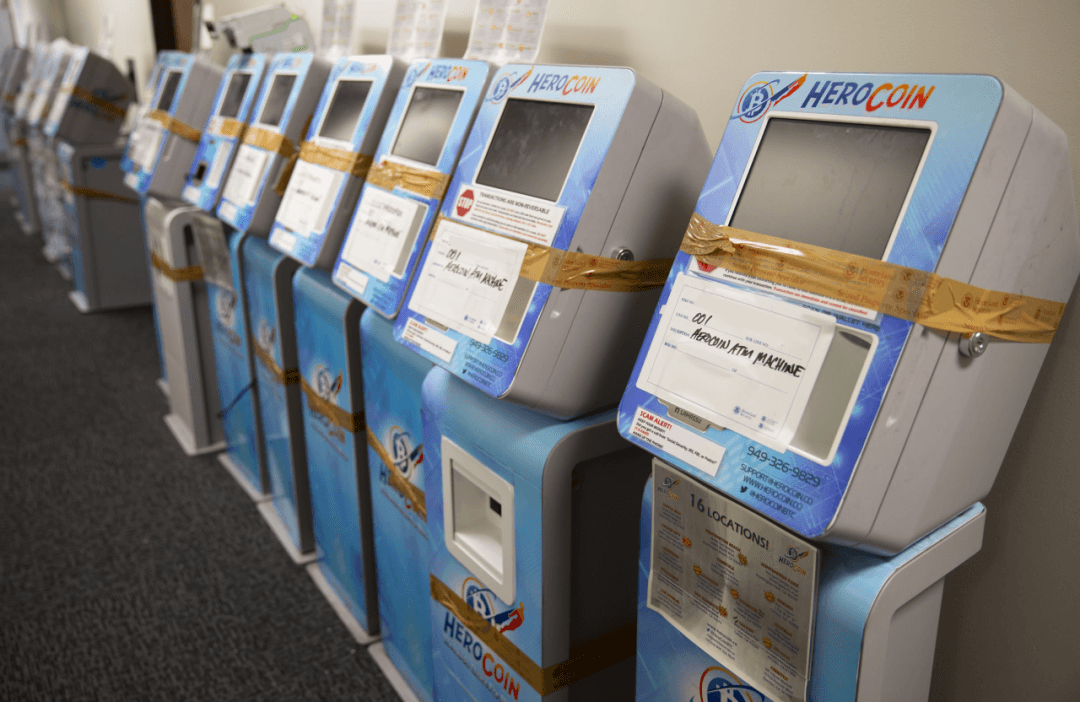 Doch ihre Risiken werden zunehmend deutlich, was sie zu bevorzugten Zielen für Finanzkriminalität und illegale Aktivitäten macht. Die Anonymität und Geschwindigkeit von Transaktionen über Krypto-Geldautomaten stellen erhebliche Herausforderungen für die Blockchain-Sicherheit dar.
Im Jahr 2024 erhielt das Internet Crime Complaint Center (IC3) des FBI über 10.900 Beschwerden im Zusammenhang mit Betrug über Krypto-Geldautomaten, wobei die Verluste der Opfer über 246,7 Millionen US-Dollar betrugen – ein Anstieg der Fälle um 99 % und der Verluste um 31 % im Vergleich zu 2023.
Die FTC berichtete ebenfalls von einem „explosionsartigen Anstieg“ bei Betrügereien mit Krypto-Geldautomaten.
Die Gründe sind offensichtlich: Sobald eine Krypto-Überweisung ausgeführt wurde, ist sie nahezu unumkehrbar und sofort abgeschlossen, im Gegensatz zu herkömmlichen Banküberweisungen, deren Abwicklung Tage dauern kann. Dies lässt den Opfern praktisch keine Zeit, verlorene Gelder zurückzuholen. Diese Eigenschaft, die für legitime Nutzung attraktiv ist, begünstigt gleichzeitig maßgeblich Betrug und Geldwäsche.
Alarmierend ist, dass Senioren die Hauptopfer sind – Personen ab 60 Jahren fallen dreimal häufiger auf Betrug mit Krypto-Geldautomaten herein und sind für zwei Drittel aller gemeldeten Verluste verantwortlich. Diese Bevölkerungsgruppe ist oft weniger vertraut mit den Feinheiten der Blockchain-Sicherheit und der Unumkehrbarkeit von Kryptotransaktionen.
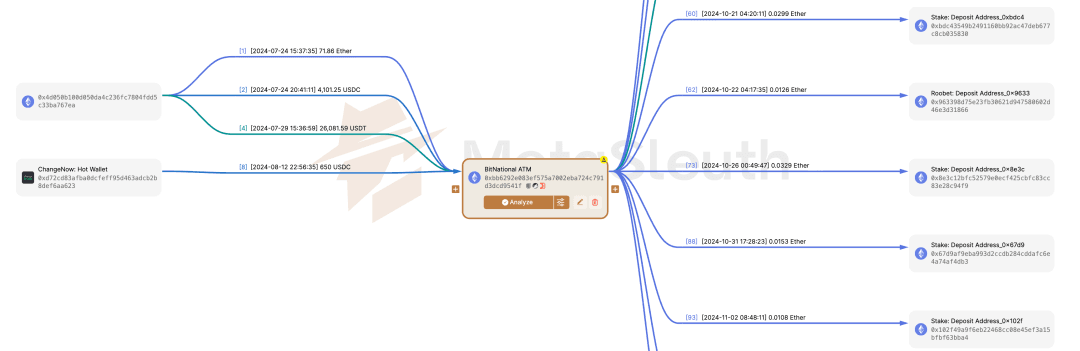
Krypto-Geldautomaten als Werkzeuge für Geldwäsche und organisierte Kriminalität
Neben Betrügereien sind CVC-Kioske auch zu leistungsstarken Werkzeugen für Drogenkartelle und organisierte Kriminalität geworden. Ihre Fähigkeit, anonyme und schnelle Transaktionen zu ermöglichen, macht sie ideal für Geldwäsche.
Die Analyse von Bank Secrecy Act (BSA)-Daten durch FinCEN zeigt, dass Kioske häufig genutzt werden, um Einnahmen aus dem Drogenhandel zu waschen. Die US-Drogenbekämpfungsbehörde (DEA) bestätigte zudem, dass transnationale kriminelle Gruppen wie das Jalisco New Generation Cartel (CJNG) zunehmend auf CVC für schnelle grenzüberschreitende Transfers setzen, die die Risiken des traditionellen Bargeldschmuggels umgehen. Dies verdeutlicht eine kritische Lücke bei der AML-Durchsetzung.
In Illinois beispielsweise gibt es 1.626 Krypto-Geldautomaten, davon über 1.100 allein in Chicago – mittlerweile ein bedeutendes Zentrum für die Wäsche von Kartellgeldern.
DEA-Ermittlungen ergaben, dass Kriminelle aus anderen Bundesstaaten sogar eigens nach Chicago reisen, um Drogengeld in Krypto umzuwandeln, bevor sie es ins Ausland transferieren. Dieses Muster unterstreicht die globale Natur der Finanzkriminalität und die Herausforderungen bei der Regulierung dieser dezentralen Werkzeuge.
Die Compliance-Landschaft für CVC-Betreiber
Weltweit ist die Anzahl der Krypto-Geldautomaten rasant gestiegen – allein in den USA von 4.128 auf 37.342 Geräte in sechs Jahren, während die Sonderverwaltungsregion Hongkong rund 224 Geräte installiert hat, größtenteils konzentriert in belebten Geschäftsvierteln wie Mong Kok.
FinCEN warnt jedoch, dass die Compliance-Rate unter CVC-Betreibern „alarmierend niedrig“ ist. Viele verstoßen gegen BSA-Pflichten, was die Risiken der Finanzkriminalität drastisch erhöht und die Blockchain-Sicherheit untergräbt.
Was legitime Betreiber für die AML-Compliance tun müssen
Nach dem BSA gelten CVC-Kiosk-Betreiber als Money Services Businesses (MSBs) – der Betrieb ohne Registrierung entspricht somit dem Führen einer Bank ohne Lizenz. Verstöße werden strafrechtlich verfolgt. Dies ist ein Eckpfeiler der AML-Vorschriften.
Sie müssen:
- sich innerhalb von 180 Tagen nach Aufnahme des Betriebs bei FinCEN registrieren.
- große oder verdächtige Transaktionen melden – durch Einreichung von Currency Transaction Reports (CTR) für Bargeldtransaktionen über 10.000 US-Dollar und Suspicious Activity Reports (SAR) für verdächtige Aktivitäten über 2.000 US-Dollar.
- Aufzeichnungen zur Kundenidentifikation und zu Transaktionsdaten mindestens 5 Jahre lang aufbewahren. Dies umfasst robuste KYC (Know Your Customer)-Verfahren.
Bundesstaaten wie Kalifornien gehen noch weiter und begrenzen die täglichen Transaktionslimits pro Kunde auf 💲1.000. In Iowa verklagte der Generalstaatsanwalt zwei Betreiber, deren Kioske Betrug in Höhe von über 20 Millionen US-Dollar ermöglicht hatten. Diese Maßnahmen zielen darauf ab, die Blockchain-Sicherheit zu verbessern und Geldwäsche zu verhindern.
Benötigen Sie robuste AML-Lösungen für Ihr Web3-Projekt?
BlockSec bietet fortschrittliche On-Chain-Überwachungs- und Compliance-Tools, um illegale Aktivitäten zu erkennen und zu verhindern. Schützen Sie Ihre Nutzer und stellen Sie die Einhaltung regulatorischer Vorgaben sicher.
Weit verbreitete Verstöße und Durchsetzungsmaßnahmen gegen Betreiber von Krypto-Geldautomaten
Eine Untersuchung aus New Jersey im Jahr 2021 ergab, dass ein Drittel der Betreiber nicht bei FinCEN registriert war. Andere ignorierten die KYC-Anforderungen und akzeptierten Transaktionen allein auf Basis von Telefonnummern oder E-Mail-Adressen – was ideale Bedingungen für Betrüger und Geldwäsche schuf.
Manche fälschten sogar Geschäftsregistrierungen, nutzten private oder gefälschte Firmenbankkonten und strukturierten Transaktionen, um CTR-/SAR-Schwellenwerte zu umgehen – eine Praxis, die nach Bundesrecht strikt verboten ist. Diese Handlungen unterminieren direkt die AML-Bemühungen und setzen Nutzer erheblichen Betrugs-Risiken aus.
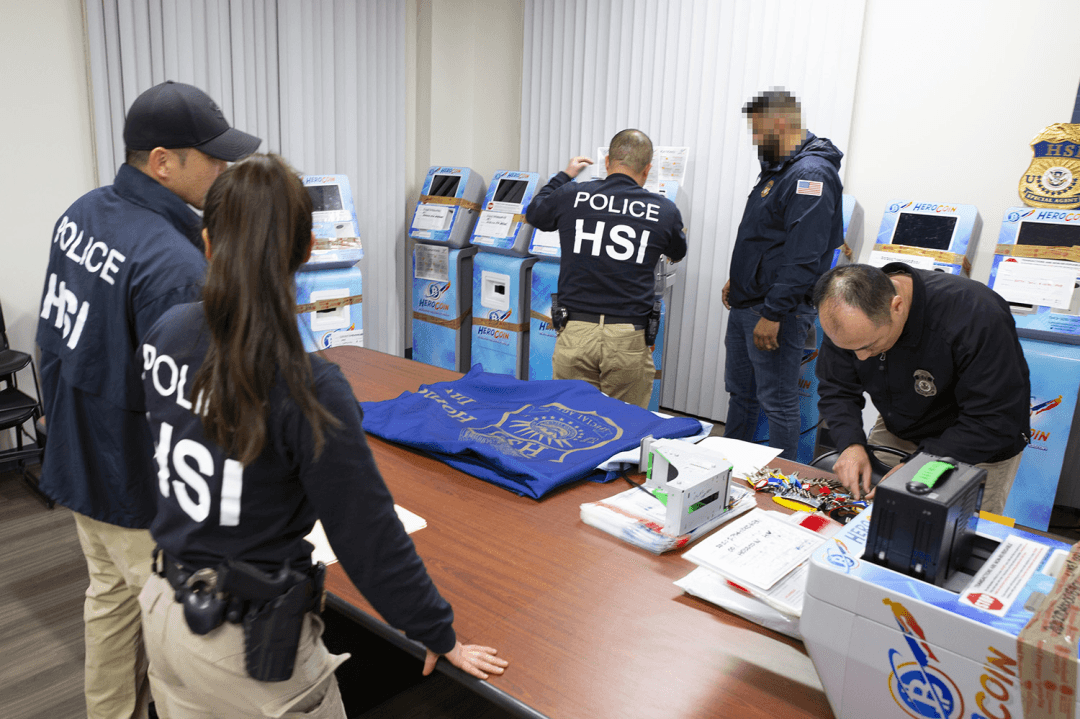 Die Mitteilung von FinCEN nennt reale Beispiele für Durchsetzungsmaßnahmen:
- Fall Orange County (2021): Der ehemalige Bankangestellte Kais Mohammad betrieb ein nicht registriertes Geldautomatennetzwerk, das über 25 Millionen US-Dollar abwickelte, führte keine AML-Prüfungen durch und wurde zu 24 Monaten Haft verurteilt. Dieser Fall verdeutlicht die schwerwiegenden Folgen der Vernachlässigung von Compliance- und Blockchain-Sicherheits-Protokollen.
- Fall New Hampshire (2022): Drei Betreiber nutzten gefälschte Firmenkonten für Bareinzahlungen an Krypto-Geldautomaten und wurden wegen Überweisungsbetrugs (Wire Fraud) verurteilt, mit Haft- und Geldstrafen.
Landesweit haben Dutzende ähnlicher Strafverfahren stattgefunden, mit Geldstrafen im Bereich von Millionen von US-Dollar und der obligatorischen Einziehung illegaler Erträge. Diese Durchsetzungsmaßnahmen dienen allen Betreibern im Bereich digitaler Vermögenswerte als deutliche Warnung hinsichtlich der Bedeutung robuster AML- und Compliance-Rahmenwerke.
Lehren für die Web3-Branche: Compliance und Blockchain-Sicherheit priorisieren
Während die Maßnahmen von FinCEN und AUSTRAC scheinbar auf physische Krypto-Geldautomaten ausgerichtet sind, spiegeln sie eine umfassendere Botschaft für das gesamte Web3-Ökosystem wider: Compliance ist keine Option – sie ist existenziell. Von Betrügern, die AML-Lücken ausnutzen, bis hin zu Betreibern, die strafrechtlich verfolgt werden – diese Fälle unterstreichen eine Wahrheit: „Risiko kennt keine Grenzen, und Compliance lässt keine Abkürzungen zu.“ Dieses Prinzip ist von größter Bedeutung für die Gewährleistung der Blockchain-Sicherheit.
Die Lehre reicht über Krypto-Geldautomaten hinaus – auf Börsen, DeFi-Protokolle und Zahlungsplattformen. Während globale Regulierungsbehörden von reaktiver zu proaktiver Durchsetzung übergehen, werden integrierte AML-Tools und Lösungen zur On-Chain-Überwachung, wie sie von BlockSec angeboten werden, zu einer unverzichtbaren Infrastruktur für das digitale Finanzwesen. Diese Tools sind entscheidend für die Erkennung und Verhinderung von Finanzkriminalität und illegalen Aktivitäten.
Web3-Innovation darf niemals auf Kosten von Compliance und Blockchain-Sicherheit gehen – und dieses globale Vorgehen beweist es. Proaktive Maßnahmen, einschließlich gründlicher Smart-Contract-Audits und kontinuierlicher On-Chain-Überwachung, sind für jedes Projekt, das langfristige Nachhaltigkeit und Vertrauen im Bereich digitaler Vermögenswerte anstrebt, von entscheidender Bedeutung.