Protokollsicherheit geht über Code-Audits hinaus
Heute ist Code-Auditing zum Industriestandard geworden, wobei die überwiegende Mehrheit der Protokolle vor dem Livegang Audits durchläuft. Doch warum gelingen Hackern immer noch häufig Angriffe, bei denen jedes Jahr Milliarden von Dollar gestohlen werden? Die Antwort liegt in der sich wandelnden Landschaft der Protokollsicherheit, die mehr als nur Prüfungen vor der Bereitstellung erfordert.
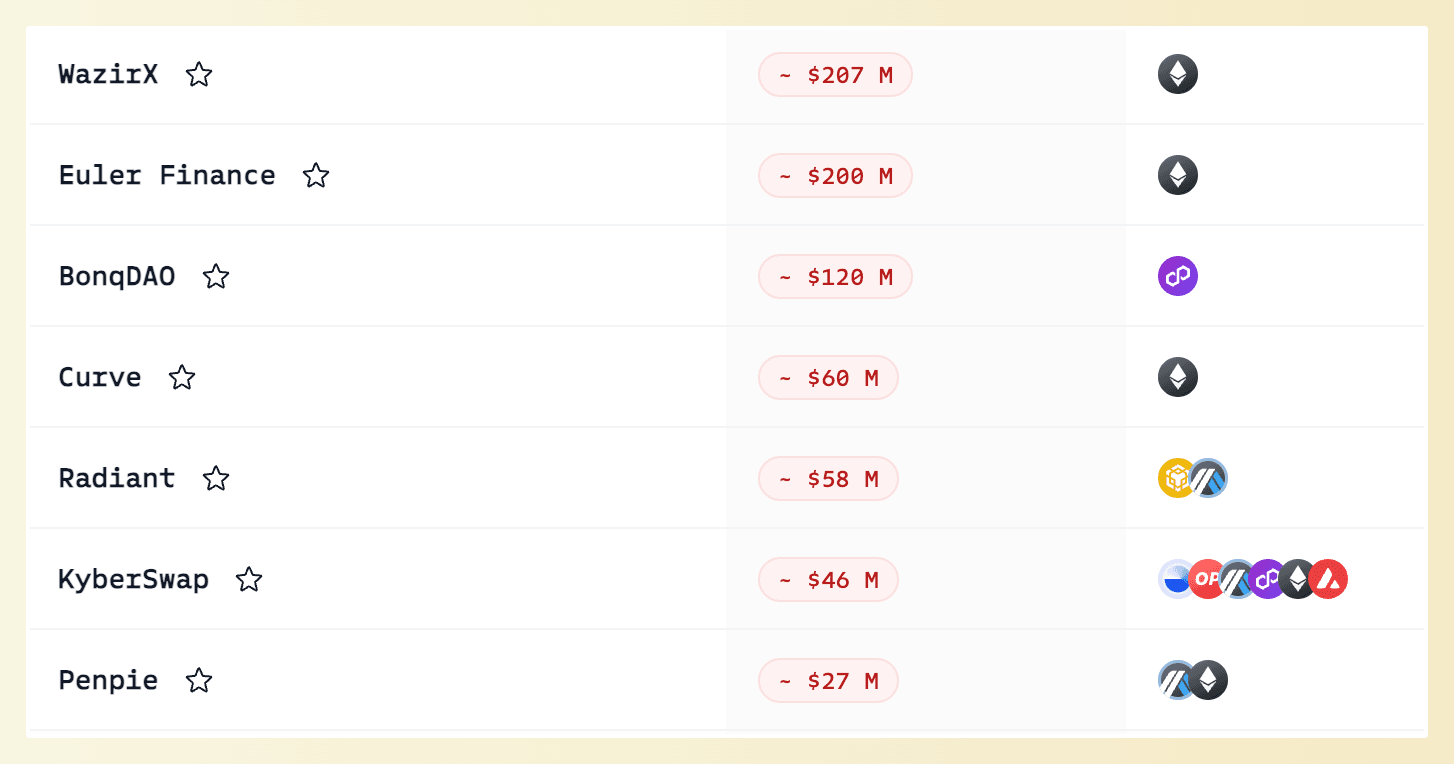
Laut der BlockSec Security Incidents Library gab es von Januar 2023 bis heute 146 größere Angriffsvorfälle, die zu Vermögensverlusten von insgesamt über einer Milliarde Dollar führten. Beispiele hierfür sind der Euler-Finance-Vorfall (200 Mio. USD Verlust), der Curve-Vorfall (60 Mio. USD Verlust), der KyberSwap-Vorfall (46 Mio. USD Verlust) und der jüngste Polterfinance-Angriff (8,7 Mio. USD Verlust). Bemerkenswert ist, dass die meisten dieser Protokolle Code-Audits namhafter Firmen erfolgreich durchlaufen hatten.
Selbst wenn ein Protokoll Audits durchlaufen und bekannte Schwachstellen behoben hat, kann es immer noch erheblichen Sicherheitsrisiken ausgesetzt sein: Es können weiterhin Zero-Day-Schwachstellen vorhanden sein; bei der Fehlerbehebung, kleinen Upgrades oder Parameteranpassungen kann das Protokoll-Team unbeabsichtigt neue Angriffsvektoren einführen; externe Abhängigkeiten können neue Risiken darstellen; und selbst Versehen im Zusammenhang mit Compilern können zu Angriffen führen.
Darüber hinaus erleichtern die Open-Source-Natur, die Anonymität und die Flashloan-Mechanismen der Blockchain es Hackern, Schwachstellen auszunutzen, und die Aussicht auf enorme Gewinne gibt ihnen starke Motivation. Da Protokolle transparent sind und Angreifer im Verborgenen bleiben, ist die Abwehr dieser sich entwickelnden Bedrohungen sehr herausfordernd. Manche Projektteams entschädigen Nutzer nach Angriffen, um den Schaden zu verringern, doch während finanzielle Verluste wiederhergestellt werden können, ist es viel schwieriger, verlorenes Vertrauen wiederherzustellen.
Leider haben sich Protokolle lange Zeit hauptsächlich auf Code-Audits konzentriert, um Sicherheit zu gewährleisten, und dabei einen ebenso wichtigen Bereich vernachlässigt – Sicherheitsüberwachung und automatisierte Reaktionen nach dem Launch. Genau diese Lücke soll Phalcon Security 2.0 schließen und robuste Hack-Prevention-Fähigkeiten bieten.
Was ist Phalcon Security und warum ist Echtzeit-Angriffsblockierung entscheidend?
Phalcon Security ist ein hochmodernes Sicherheitsüberwachungs- und Angriffsblockierungssystem, das speziell für Protokolle entwickelt wurde und die überwiegende Mehrheit der Bedrohungen abdeckt, denen Protokolle nach dem Launch ausgesetzt sein könnten, wie Angriffs-, Betriebs-, Interaktions- und Finanzrisiken. Es ist eine umfassende Lösung für Web3-Sicherheit.
Derzeit haben manche Protokolle möglicherweise Überwachungssysteme entwickelt oder erworben, aber warum erleiden sie trotzdem Verluste, wenn sie Angriffen ausgesetzt sind? Die Gründe sind zweifacher Natur:
- Erstens erfährt das Projektteam möglicherweise nicht rechtzeitig von einem Angriff oder verschwendet aufgrund häufiger Fehlalarme wertvolle Zeit damit, die Genauigkeit von Warnungen zu überprüfen. In der Zwischenzeit könnten Hacker bereits mehrere Angriffstransaktionen abgeschlossen haben.
- Zweitens: Selbst wenn das Projektteam den Angriff schnell erkennt und handelt, kann es oft nicht so schnell reagieren wie die Hacker. Viele Protokolle setzen auf Multi-Sig-Wallets, und die Notwendigkeit mehrerer Freigaben macht manuelle Reaktionen noch langsamer, wodurch eine effektive Angriffsblockierung nahezu unmöglich wird.
Phalcon Security bietet praktische und erprobte Lösungen für diese beiden kritischen Herausforderungen und ermöglicht echte Hack-Prevention.
- Präzise Erkennung: Phalcon Security nutzt über 200 klar definierte Angriffsmerkmale, um zu identifizieren, ob eine Transaktion ein Angriff ist, wodurch sichergestellt wird, dass kein Angriff unentdeckt bleibt, während Fehlalarme nahezu eliminiert und Störungen für das Team vermieden werden. Diese Präzision ist entscheidend für eine effektive Sicherheitsüberwachung.
- Angriffsblockierungsfähigkeit: Phalcon Security überwacht Transaktionen kontinuierlich schon früh im Mempool-Stadium. Sobald eine Angriffstransaktion erkannt wird, alarmiert das System die Nutzer sofort, initiiert automatisch eine Gegentransaktion und setzt eine Gas-Bidding-Strategie ein, um sicherzustellen, dass diese vom System generierten Transaktionen vor dem Angriff verarbeitet werden. Dies blockiert Hackerangriffe effektiv und erreicht Null-Verluste. Darüber hinaus unterstützt die Plattform sowohl EOA- als auch Multi-Sig-Wallets, wodurch Projekte, die Safe{Wallet} nutzen, Angriffe automatisch abwehren können, was seine Position als führend im Bereich Mempool-Sicherheit festigt.
Warten Sie nicht, bis ein Audit fehlschlägt. Implementieren Sie Echtzeit-Sicherheitsüberwachung und Angriffsblockierung, um Ihre Vermögenswerte zu schützen – sehen Sie, wie Phalcon Security Protokolle im Produktionsbetrieb schützt.
Phalcon Security 2.0: Maßgeschneiderte Sicherheitslösungen für Protokolle
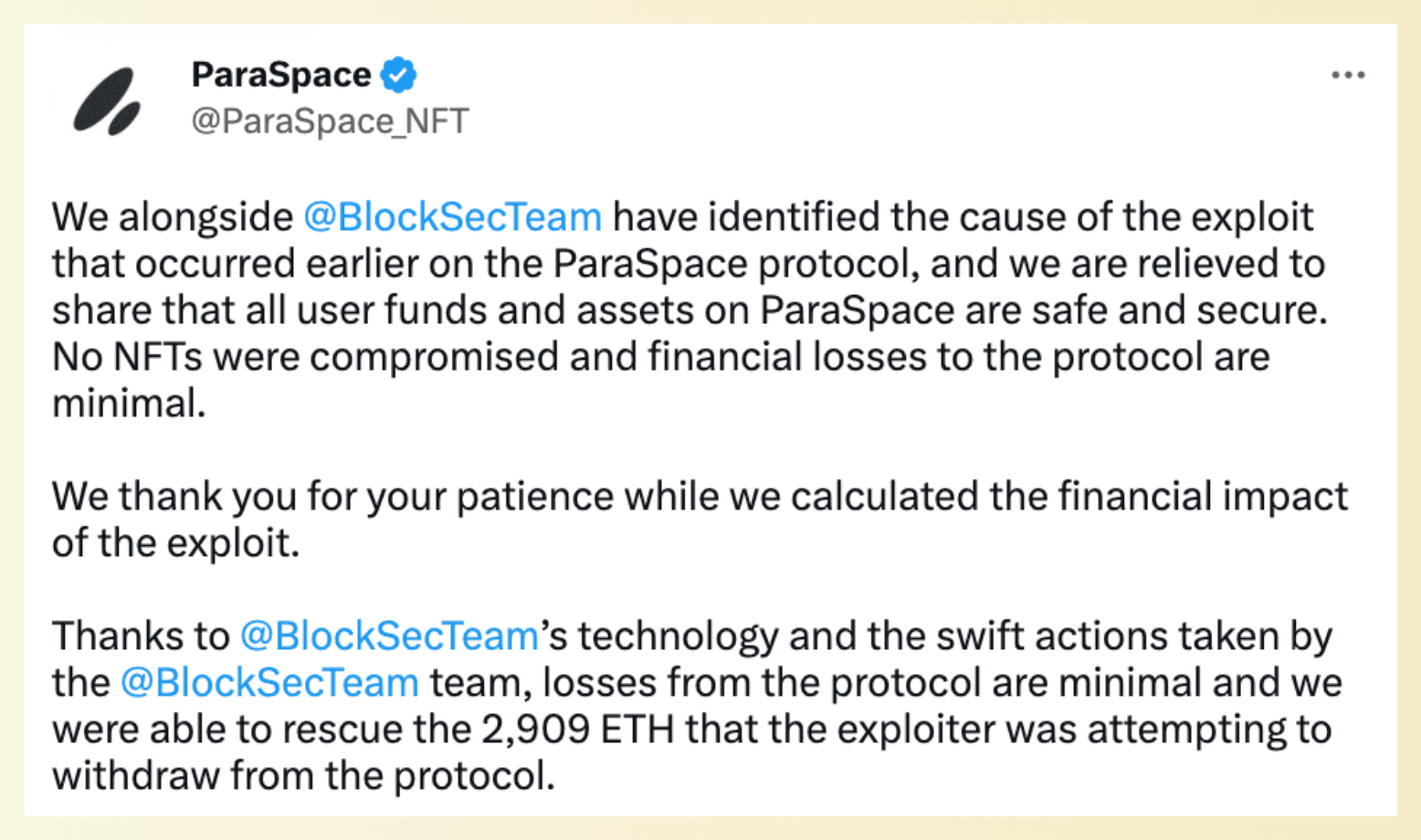
Dieses fortschrittliche Angriffsblockierungssystem, das von BlockSec eingeführt wurde, lief zwei Jahre lang intern, bevor es veröffentlicht wurde, und blockierte durch Whitehat-Rettungen erfolgreich über zwanzig Angriffe, wodurch Projektteams potenzielle Verluste von über 20 Millionen USD zurückgewinnen konnten. Es ist das erste und einzige Sicherheitsprodukt mit nachgewiesener Erfolgsbilanz bei der Hack-Prevention und hat mehrere Hacking-Versuche erfolgreich blockiert.
„Oft haben wir Angriffe erkannt, konnten das Projektteam aber nicht rechtzeitig erreichen. Das brachte uns dazu, darüber nachzudenken, warum wir Projektteams nicht direkt mit der Fähigkeit ausstatten, Angriffe automatisch zu verhindern. Genau das war die Motivation für die Entstehung von BlockSec Phalcon“, sagte Andy Zhou, CEO von BlockSec.
„Bei diesem großen Upgrade wurde BlockSec Phalcon 2.0 neu gestaltet, um die Angriffs-, Betriebs-, Interaktions- und Finanzrisiken zu adressieren, denen Protokolle ausgesetzt sind, und deckt nun die überwiegende Mehrheit der Sicherheitsrisiken ab, denen Protokolle nach dem Launch ausgesetzt sein könnten. Zusätzlich haben wir die Benutzerfreundlichkeit und Flexibilität unserer Systemkonfigurationen weiter optimiert. Jetzt müssen Nutzer nur Adressen importieren, um die Überwachungskonfiguration mit einem Klick abzuschließen, was sehr komfortabel ist, und sie können Überwachungsregeln für komplexe Szenarien individuell anpassen“, fügte Andy Zhou hinzu.
David Zong, Head of Risk bei Bybit, erklärte: „Wir sind große Fans von BlockSec und waren von Anfang an tief in die Entstehung von BlockSec sowie die Nutzung jedes seiner Produkte eingebunden. BlockSec Phalcon ist ein sehr gutes Sicherheitstool, das Bybit dabei hilft, On-Chain-Tracking und Web3-Vertragssicherheitsüberwachung zu erreichen. Wir werden in Zukunft weitere Kooperationen mit BlockSec haben.“
Phalcon Security 2.0 stellt einen bedeutenden Fortschritt im Bereich Smart-Contract-Sicherheit dar. Die kontinuierliche Weiterentwicklung unserer Sicherheitslösungen zum Schutz der Vermögenswerte von Projekten und Nutzern hat bei BlockSec höchste Priorität. Wir engagieren uns nicht nur für Code-Sicherheit, sondern auch für den Schutz von Vertrauen und Innovation. Indem wir die Sicherheit von Protokollen über ihren gesamten Lebenszyklus hinweg gewährleisten, schützen wir den Traum jedes Nutzers, sich mutig in der Web3-Welt vorwärtszubewegen.
Erste Schritte mit Phalcon Security 2.0 für verbesserte Web3-Sicherheit
Phalcon Security ist eine nur auf Einladung zugängliche SaaS-Plattform, die ausschließlich eingeladenen Nutzern zur Verfügung steht. Diese Exklusivität gewährleistet maßgeschneiderten Support und maximale Effektivität für unsere Partner.
Interessierte Nutzer können eine Demo vereinbaren, um mehr über die Funktionen des Produkts zu erfahren, und haben die Möglichkeit, direkt mit Sicherheitsexperten zu sprechen, um maßgeschneiderte Sicherheitslösungen für ihre spezifischen Bedürfnisse zu besprechen.
Demo buchen: https://calendly.com/blocksec/phalcon-demo
Mehr erfahren: https://blocksec.com/phalcon/security
Über BlockSec
BlockSec ist ein Full-Stack-Web3-Sicherheitsdienstleister. Das Unternehmen hat sich der Verbesserung von Sicherheit und Benutzerfreundlichkeit für die aufkommende Web3-Welt verschrieben, um deren Massenakzeptanz zu fördern. Zu diesem Zweck bietet BlockSec Sicherheitsauditing-Dienstleistungen für Smart Contracts und EVM-Chains, die Phalcon Security-Plattform für Sicherheitsüberwachung und Angriffsblockierung, die MetaSleuth-Plattform für Fund-Tracking und Ermittlungen sowie die MetaSuites-Erweiterung für Web3-Entwickler, die effizient in der Krypto-Welt navigieren möchten.
Bis heute hat das Unternehmen über 1.000 Kunden bedient, darunter Uniswap Foundation, Compound, Forta und PancakeSwap, und in zwei Finanzierungsrunden zweistellige Millionenbeträge in US-Dollar von renommierten Investoren erhalten, darunter Matrix Partners, Vitalbridge Capital und Fenbushi Capital.
Offizielle Website: https://blocksec.com/
Offizieller Twitter-Account: https://twitter.com/BlockSecTeam