2024年可以说是BTCFi的元年。尽管比特币的市值早在2021年就已突破万亿美元大关,但比特币生态系统内的DeFi发展却落后于其他区块链。在其大部分历史时期,比特币主要被视为一种价值存储手段,常常被闲置在冷钱包中。
然而,2024年初标志着一个转折点。BRC20、ARC20和Rune资产引发了广泛关注,比特币二层解决方案经历了爆炸式增长。到5月,比特币质押的兴起催生了越来越多的BTC封装资产,释放了比特币的流动性。这一转变为比特币持有者拓展了机会,实现了更强的流动性、更高的实用性以及更高收益的获取——所有这些都悄然为BTCFi奠定了基础。
BTC封装资产在质押、借贷和跨链套利中的应用,展现出获取可观回报的潜力。然而,这些机会也伴随着固有的安全风险。一个关键问题随之而来:与BTC封装资产相关的主要安全风险有哪些,又该如何有效缓解这些风险?
理解BTC封装资产中的脱锚风险
诸如WBTC或FBTC等BTC封装资产,必须保持1:1或更高的BTC储备比率,以确保用户信心并维持其锚定关系。这些底层储备资产的透明度至关重要。许多项目现在会在其官方网站上发布储备证明(PoR),这是迈向问责制的积极一步。然而,一些项目仅披露储备总额,而不分享具体的地址列表,另一些项目则可能未及时更新PoR,使用户难以独立核实数据。
像WBTC和FBTC这样的项目通过Chainlink发布其PoR来增强透明度,这是一种更客观、更稳健的方法,涉及对储备数据的独立第三方验证。这种与Chainlink储备证明(PoR)的集成显著增强了信任度和可靠性。
BlockSec的解决方案:增强PoR的地址所有权验证API
BlockSec提供了一款地址所有权验证API,使项目能够在具备可验证所有权的第三方平台上开展储备证明(PoR)工作。该解决方案已被多个项目采用。例如,FBTC利用BlockSec的API作为其数据源,以透明、自动化和实时的方式在Chainlink平台上发布PoR。这确保了所报告的储备不仅准确,而且能持续更新并可独立验证。
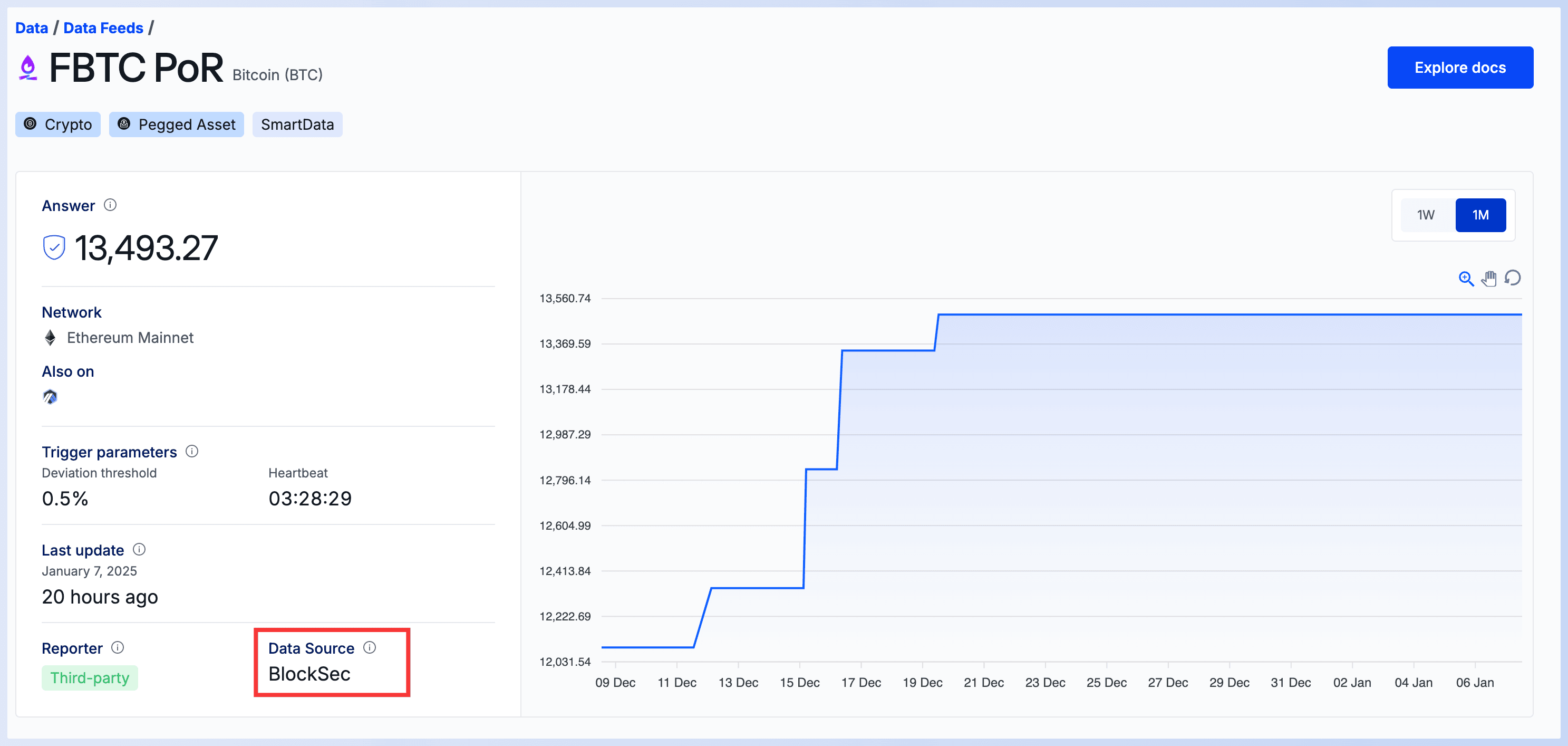 🔗 https://data.chain.link/feeds/ethereum/mainnet/fbtc-por#operator-galaxy
BlockSec的解决方案:借助Phalcon Security实现实时储备比率监控
得益于BlockSec Phalcon Security的先进监控能力,我们能够提供全面的PoR API和实时储备比率监控。Phalcon Security支持对资产流动的实时监控,并构建了一个精密的地址关系网络以实现精准验证。它能够在各个网络中准确追踪底层资产和BTC封装资产的数量。
此外,Phalcon Security不仅验证资产数量,还会在锁定的BTC数量低于不同区块链上封装资产总量时,立即发出警报并触发自动化响应。这种主动防范的方式有效降低了脱锚风险,为BTCFi协议提供了不可或缺的安全保障层。
缓解BTCFi交易中的跨链风险
在跨链资产的映射与创建过程中,漏洞常常被利用。例如,一种常见的攻击手段是:用户在比特币网络上发起存款交易,但锁定的BTC数量并未发生变化,然而BTC封装资产却在目标链上成功铸造。这凸显了对稳健的跨链监控的迫切需求,以便预先应对此类复杂的风险。
BlockSec的解决方案:借助Phalcon Security实现先进的跨链监控
BlockSec Phalcon Security支持对所有跨链交易进行实时监控和自动对账。除了上述提到的虚假存款问题外,它还能处理诸如任意铸造、双重支付、存款金额不一致以及跨链铸造/提款延迟等多种情形。一旦检测到任何异常,系统会通过选定的渠道及时向相关人员发送警报,并同时触发自动化响应措施,以防止潜在损失。
在传统的跨链监控解决方案中,脱锚事件被检测到时,损失可能已经发生。然而,Phalcon Security提供更为精细化的监控配置,并由一支具备专业知识的团队提供支持,能够应对所有风险点并执行必要的定制开发。这种能力使得对跨链流程的实时监控成为可能,确保能够立即检测到源链上的Burn/Lock交易或目标链上的Mint交易。我们与FBTC的合作充分展示了Phalcon Security迅速识别风险、提供监控建议并开发定制化跨链监控解决方案的能力。
应对BTC封装资产操作中的智能合约风险
利用BTC封装资产进行跨链和封装操作的其他链上智能合约的安全性至关重要。尽管这些合约通常会经过严格的代码审计,但它们仍可能潜藏零日漏洞,以及在漏洞修复、合约升级和配置修改等动态过程中引入的风险。需要持续保持警惕,以防范这些不断演变的威胁。
BlockSec的解决方案:借助Phalcon Security实现主动式智能合约监控
BlockSec Phalcon Security能够对交易进行实时监控,最早可追溯至内存池(Mempool)阶段。通过分析200多种明确定义的攻击特征,它能够检测攻击交易并及时生成应对措施。它采用抢先交易策略,确保系统生成的响应交易在区块链上优先于攻击交易被处理,从而有效阻止攻击并实现零损失。这种主动防御机制对于维护BTCFi协议的完整性至关重要。
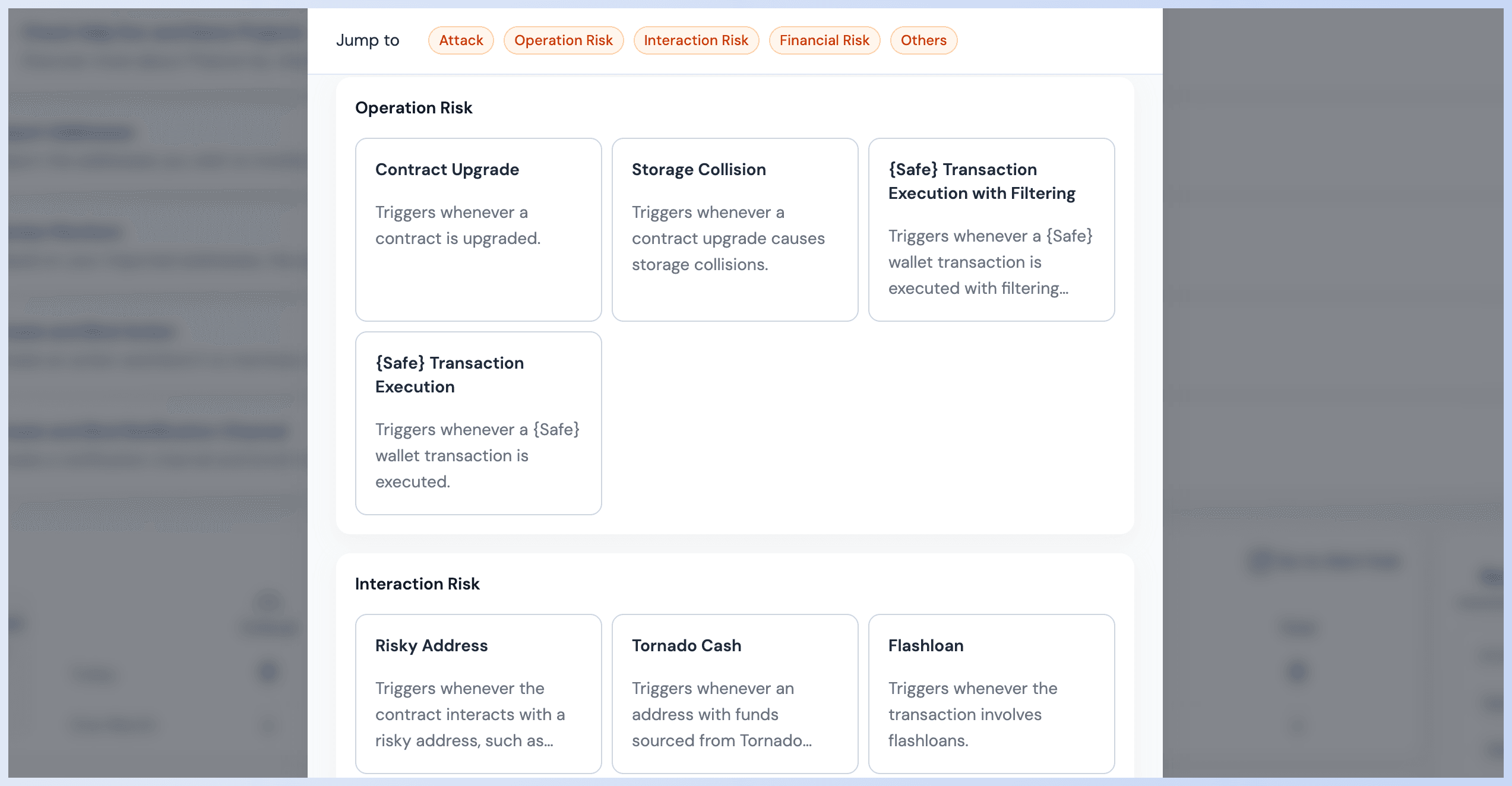
除了攻击风险外,Phalcon Security还涵盖操作风险、交互风险和财务风险,为协议提供全方位的安全保护。其强大的框架确保智能合约交互的各个方面都得到持续监控和保护,为BTCFi安全树立了新的标杆。
与BlockSec合作,共享无与匹敌的BTCFi安全保障
BlockSec Phalcon Security是一个仅限受邀用户使用的SaaS平台,只有那些高度重视顶级区块链安全的受邀用户才能访问。
感兴趣的用户可以预约演示,以了解该产品功能的更多信息,并有机会与我们的安全专家探讨定制化的安全解决方案。我们的团队致力于帮助您的BTCFi项目安全地驾驭去中心化金融的复杂性。
- 了解更多关于Phalcon Security的信息: https://blocksec.com/phalcon/security
- 阅读更多我们的博客文章: https://blocksec.com/blog