The Blockscout blockchain explorer has integrated MetaSuites' address labels (Ethereum, Polygon, Gnosis, Optimism and Base) and GPT-powered transaction explanation (Ethereum) feature, and has also added quick access to Phalcon Explorer.
Address Labels
When navigating the complex strings of code representing addresses in a blockchain explorer, how can one effectively extract valuable information?
Thanks to our deep technical knowledge and long-term data collection efforts, MetaSuites has developed an extensive database encompassing over 20 major public blockchains, complete with over 600 million labeled addresses. Empowered by MetaSuites, Blockscout users can easily identify a variety of addresses such as:
- exchange deposit and withdrawal addresses
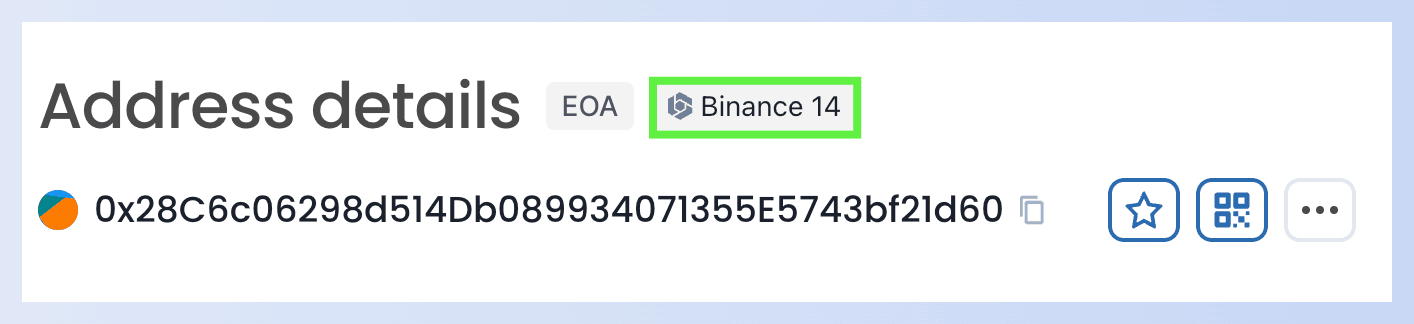
- project addresses (e.g. DeFi and NFT project addresses)
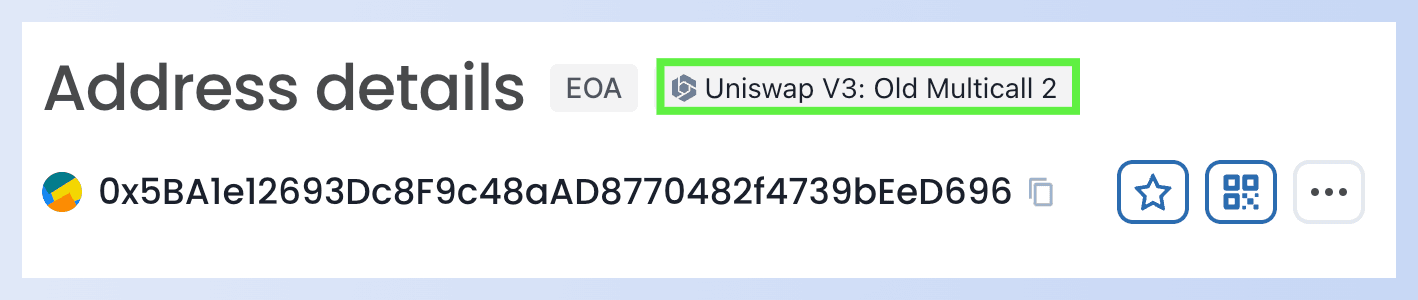
- whitehat hacker addresses & blackhat hacker addresses
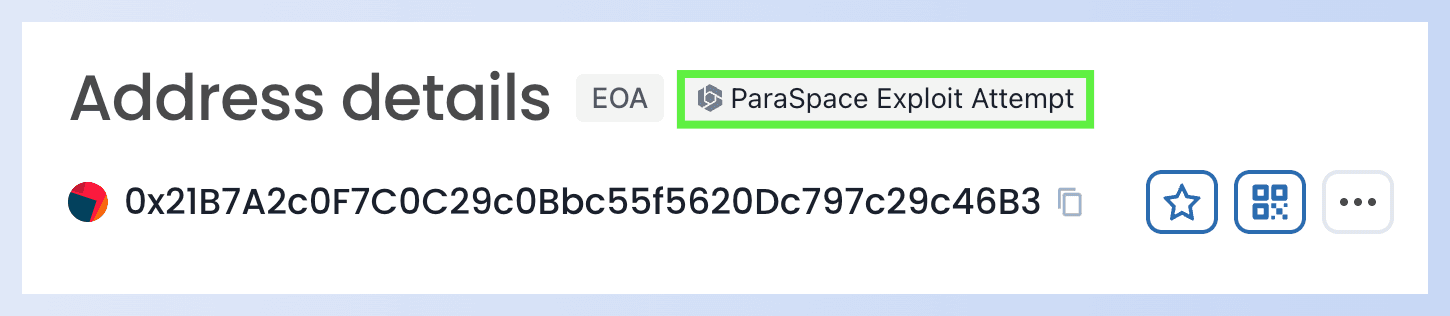
- scammer addresses
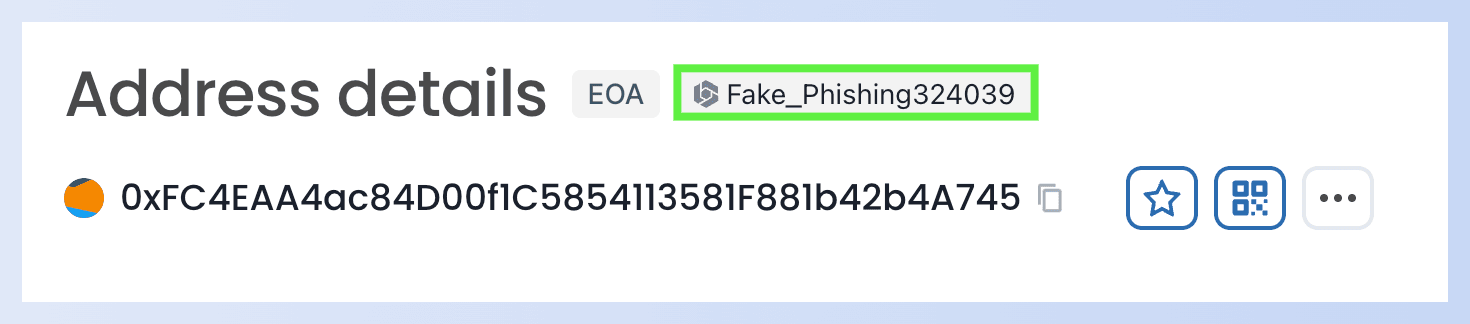
This streamlines the DYOR process, empowering users to better understand the entities involved.
GPT-powered Transaction Explanation
With the growth of DeFi, on-chain transactions have gone beyond traditional bookkeeping to involve complex smart contract executions, making it increasingly difficult for the average user to understand the transactions. For instance:
- Investigating trading counterparts often ends in vain due to the difficulty in comprehending historical transactions.
- Upon investigating stolen funds using a blockchain explorer, one may find themselves unable to understand what happened.
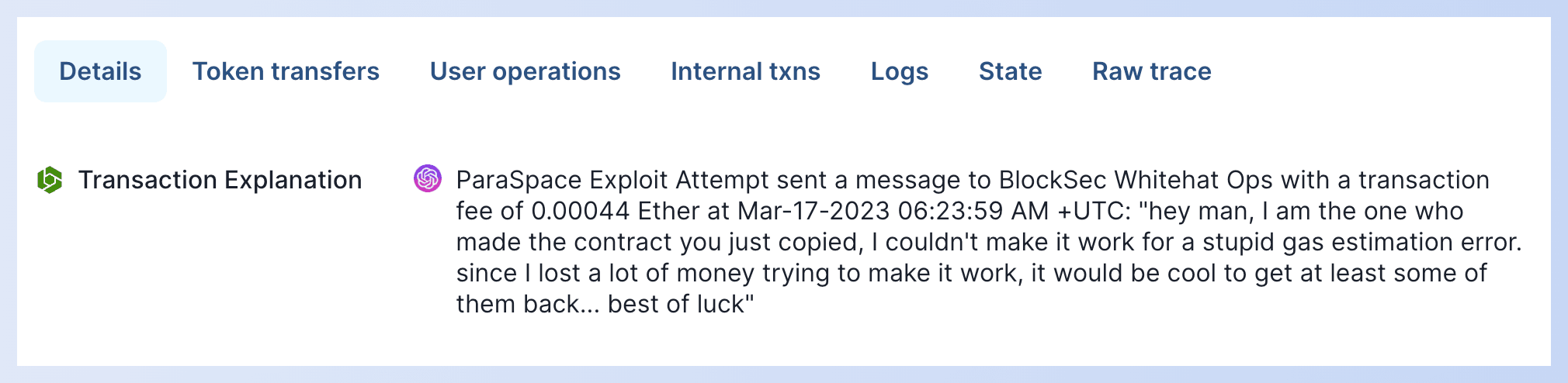
Powered by GPT, MetaSuites assists users in comprehending transactions through easy-to-understand, natural language explanations.
Try these transactions: 1, 2, 3, 4
- 1: on-chain message
- 2: borrowing

- 3: staking

- 4: phishing scam

With the transaction explanation feature, Blockscout users can now easily understand what took place in a transaction: at what time, which address performed what action with another address, and even receive insights regarding suspicious transactions or phishing scams.
Phalcon Explorer Quick Access
Blockscout has integrated quick access to Phalcon Explorer. This enhances the experience for Blockscout users since they can directly have a transaction visualization tool.

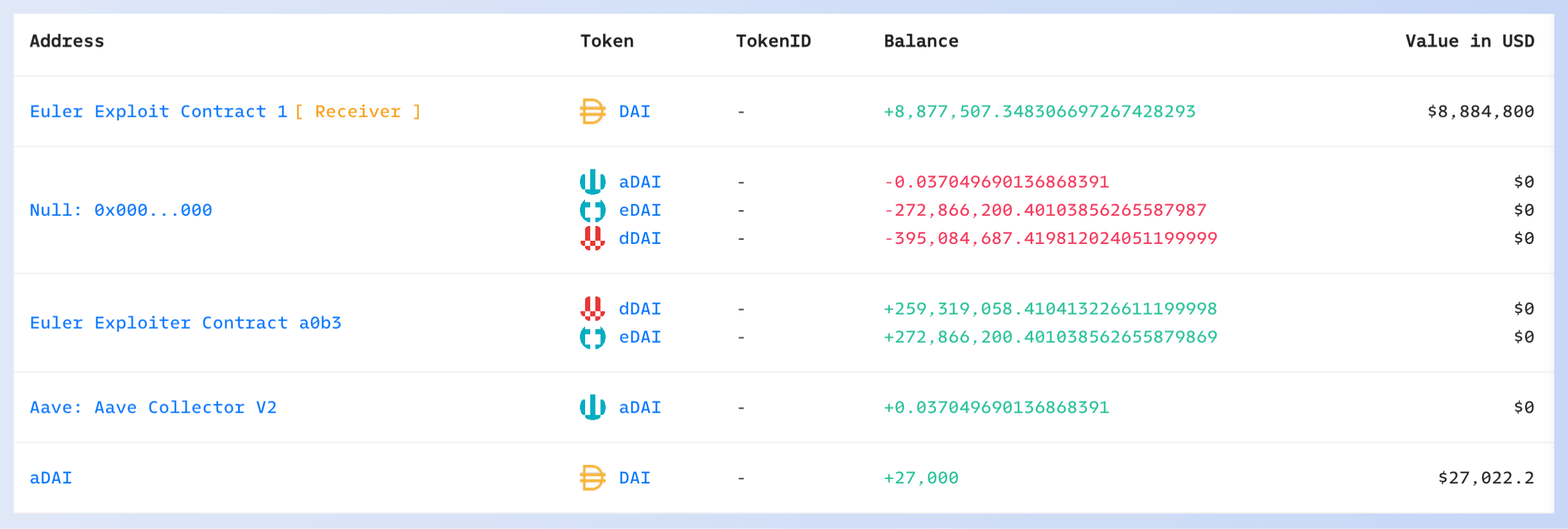
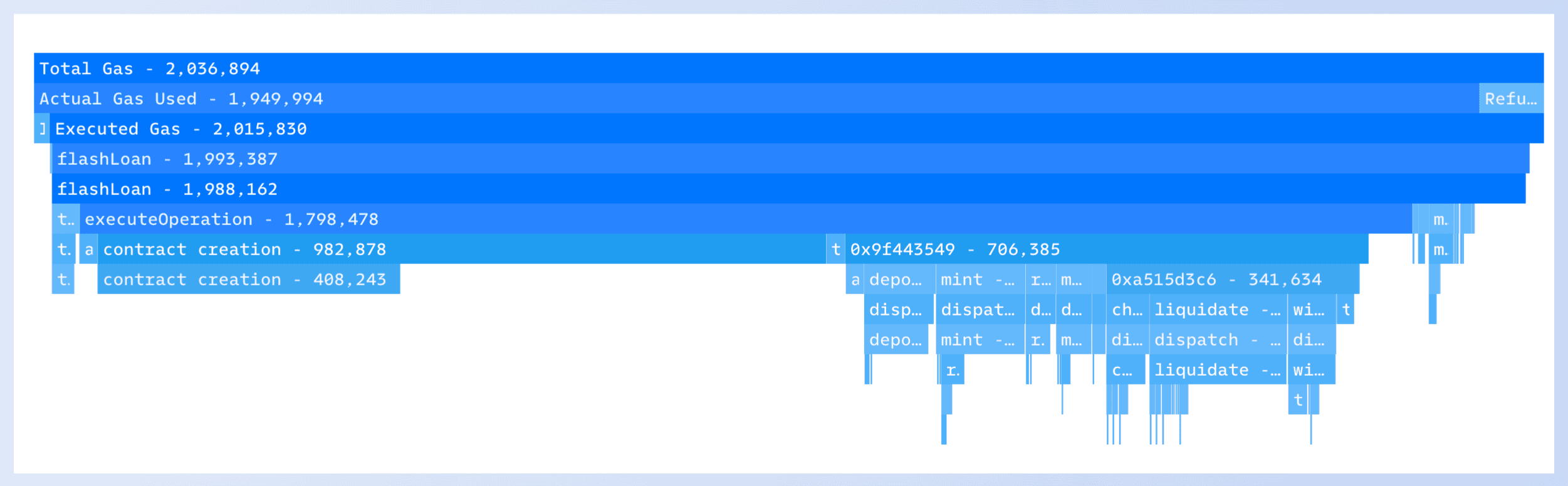
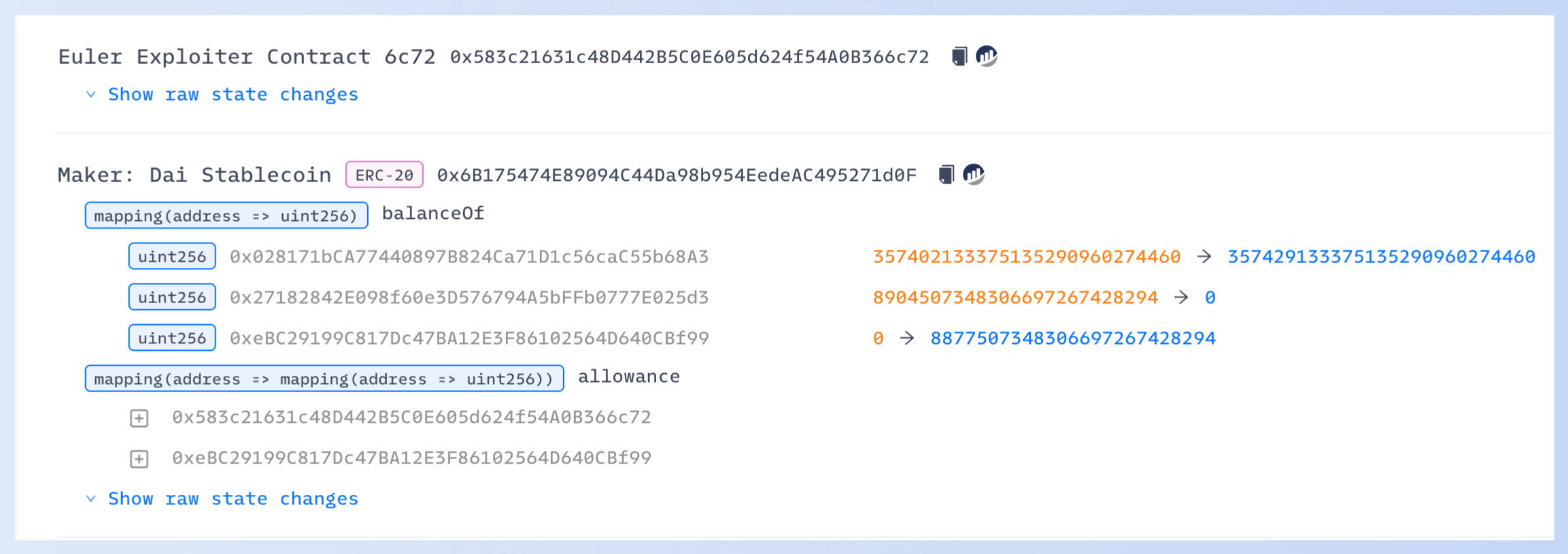
Beyond basic transaction information, Phalcon Explorer visually illustrates additional details of a transaction, including:
- Fund flow
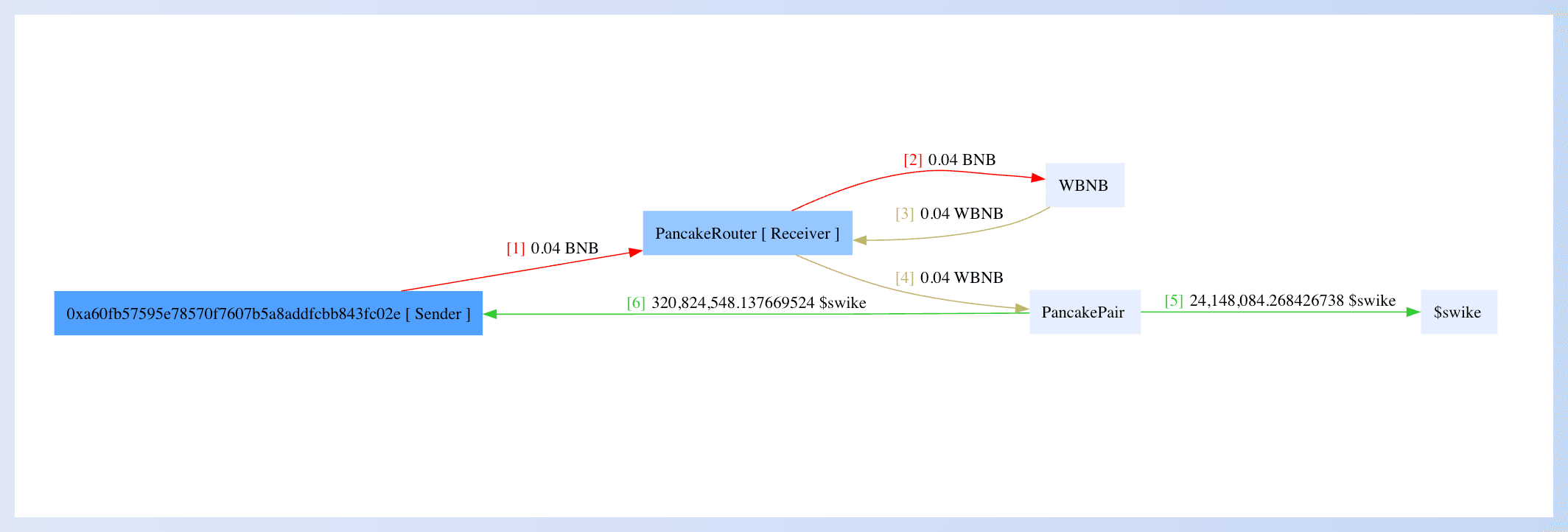
- Balance changes
- Gas profiler
- State changes
- Invocation flow
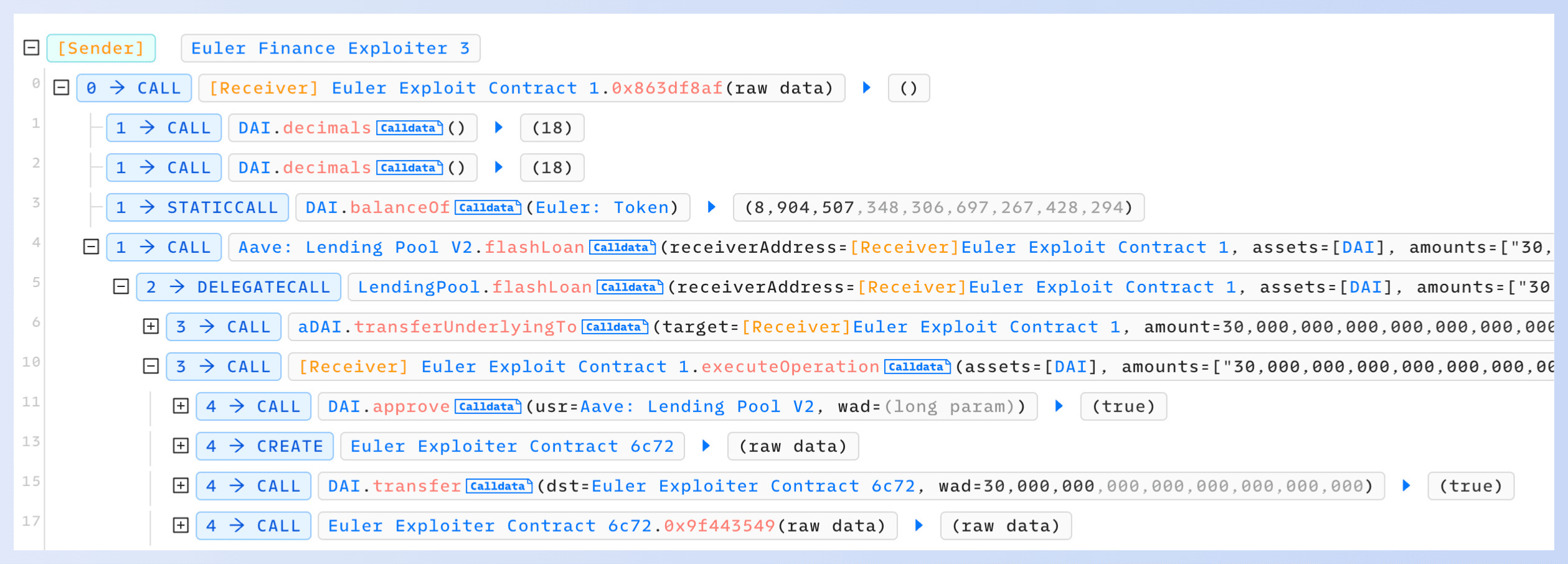
Users can also switch to multi-screen debug mode with a single click in the Invocation Flow section.
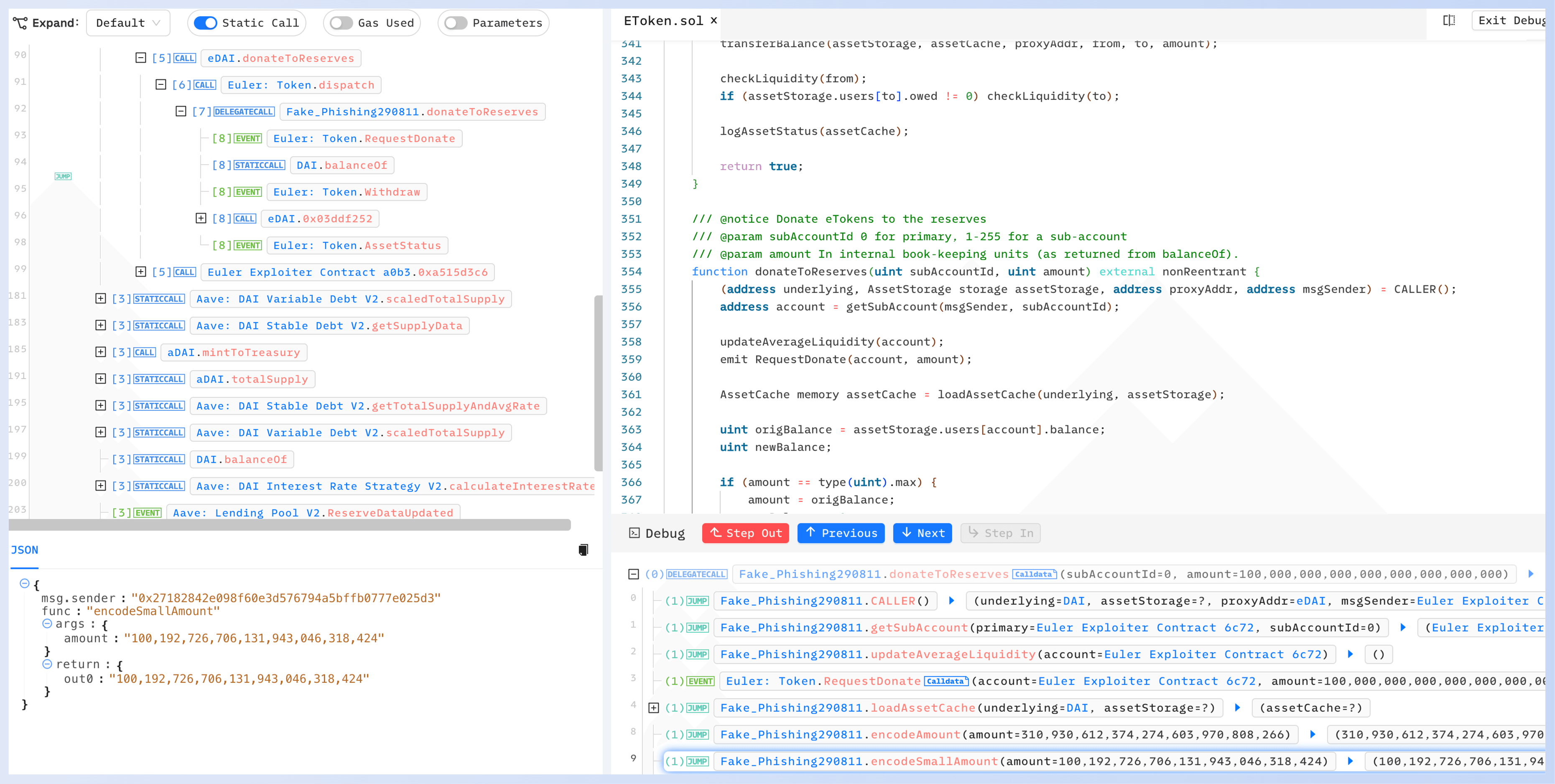
Additionally, Phalcon Explorer supports transaction simulation at any block height and position, allowing users to preview the execution result in advance.
The introduction of the Phalcon Explorer quick access fulfills the requirements of traders, developers, and security researchers for conducting complex transaction analysis, debugging, and simulations.
Conclusion
We're confident that this collaboration will provide Blockscout users with detailed and insightful address and transaction information, streamlining their analysis process and enabling smarter, more secure trading decisions.
Explore these new features now on Blockscout!
About Blockscout
Blockscout is the preferred open-source blockchain explorer for EVM compatible chains, with over five years of production experience. The explorer offers a reliable, customizable, and transparent solution for public chains, private chains, testnets, and many other networks. With a focus on promoting decentralization, transparency, and community, Blockscout is the explorer of choice for more than 400 public networks.
Website: https://www.blockscout.com/
Twitter: https://twitter.com/blockscoutcom
About MetaSuites
MetaSuites is a browser extension to generate fund flow, display address labels, download data with one click, simulate transactions, view storage and proxy upgrades, along with more than 20 utilities on over ten blockchain browsers.
Website:https://blocksec.com/metasuites
Twitter:https://twitter.com/MetaDockTeam
About Phalcon Explorer
Phalcon Explorer is a support tool for our attack monitoring and blocking platform - Phalcon. This powerful transaction explorer is designed for the DeFi community. It provides comprehensive data on call flows, balance changes, and transaction fund flows, as well as supports transaction simulation. This helps developers, security researchers, and traders to more intuitively understand transactions.
Website: https://blocksec.com/explorer
Twitter: https://twitter.com/Phalcon_xyz